
Last updated November 21, 2026
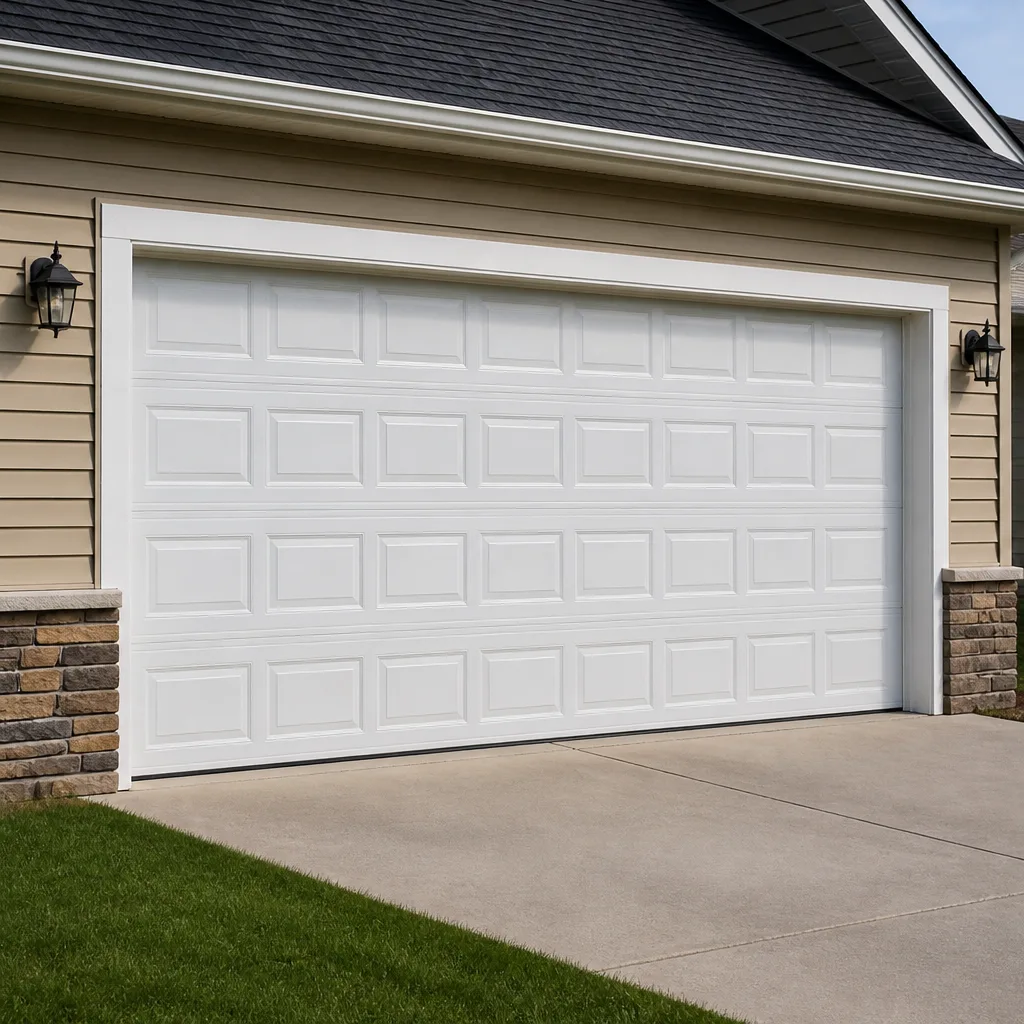 Raised-panel steel
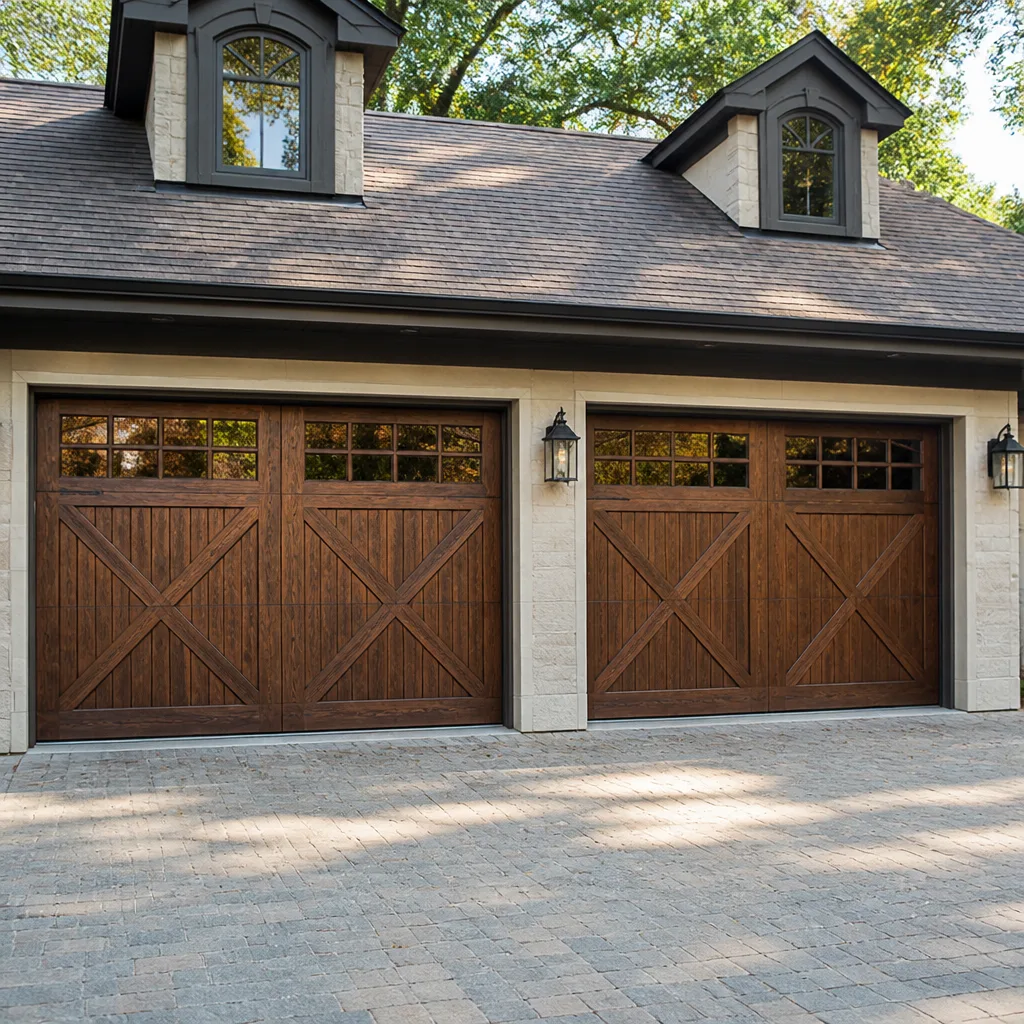 Carriage house
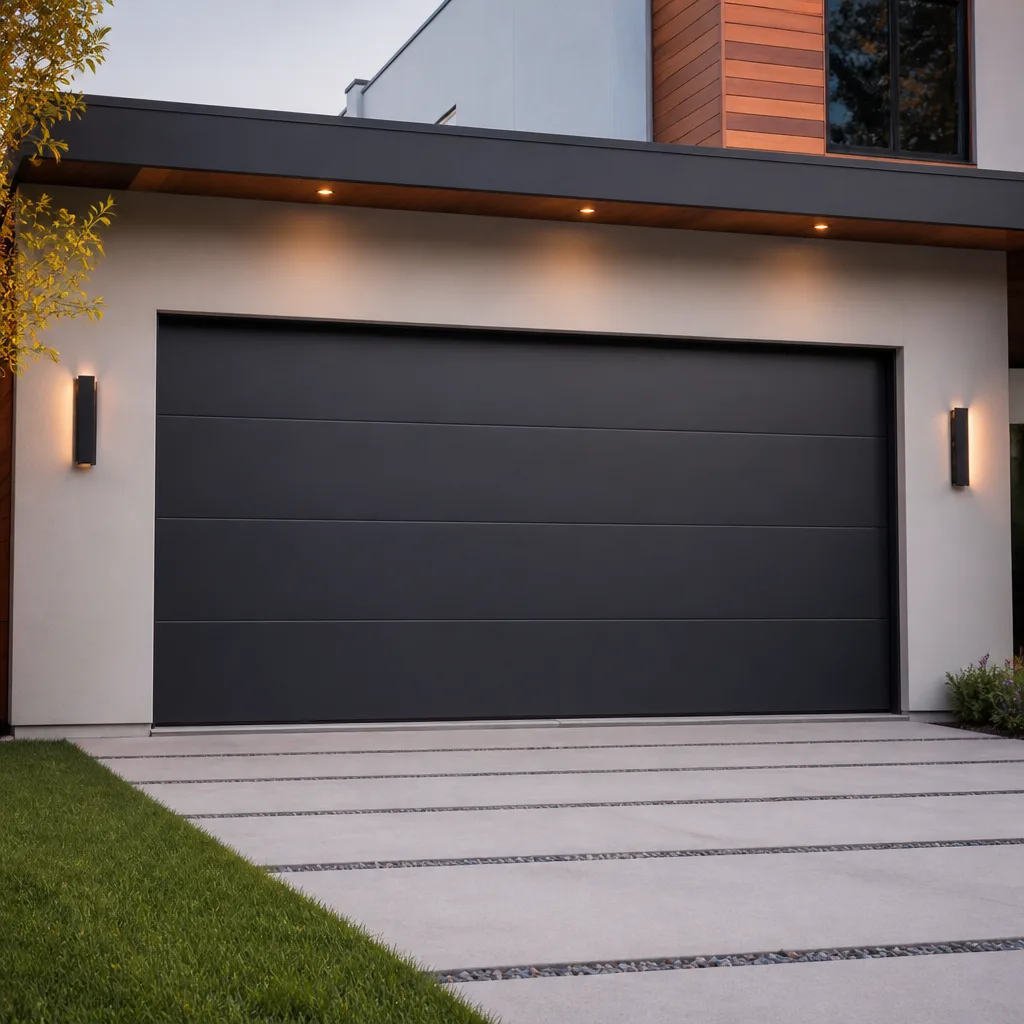 Modern flush
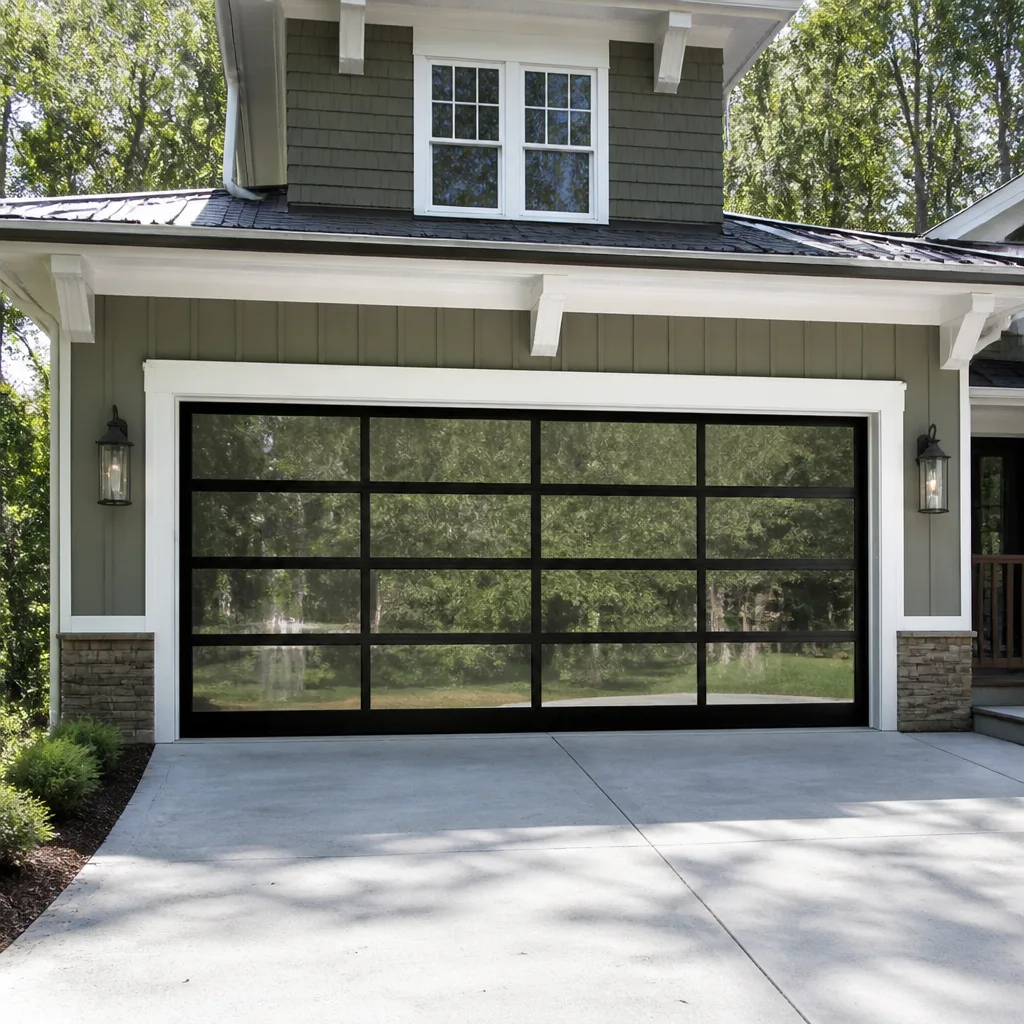 Full-view glass
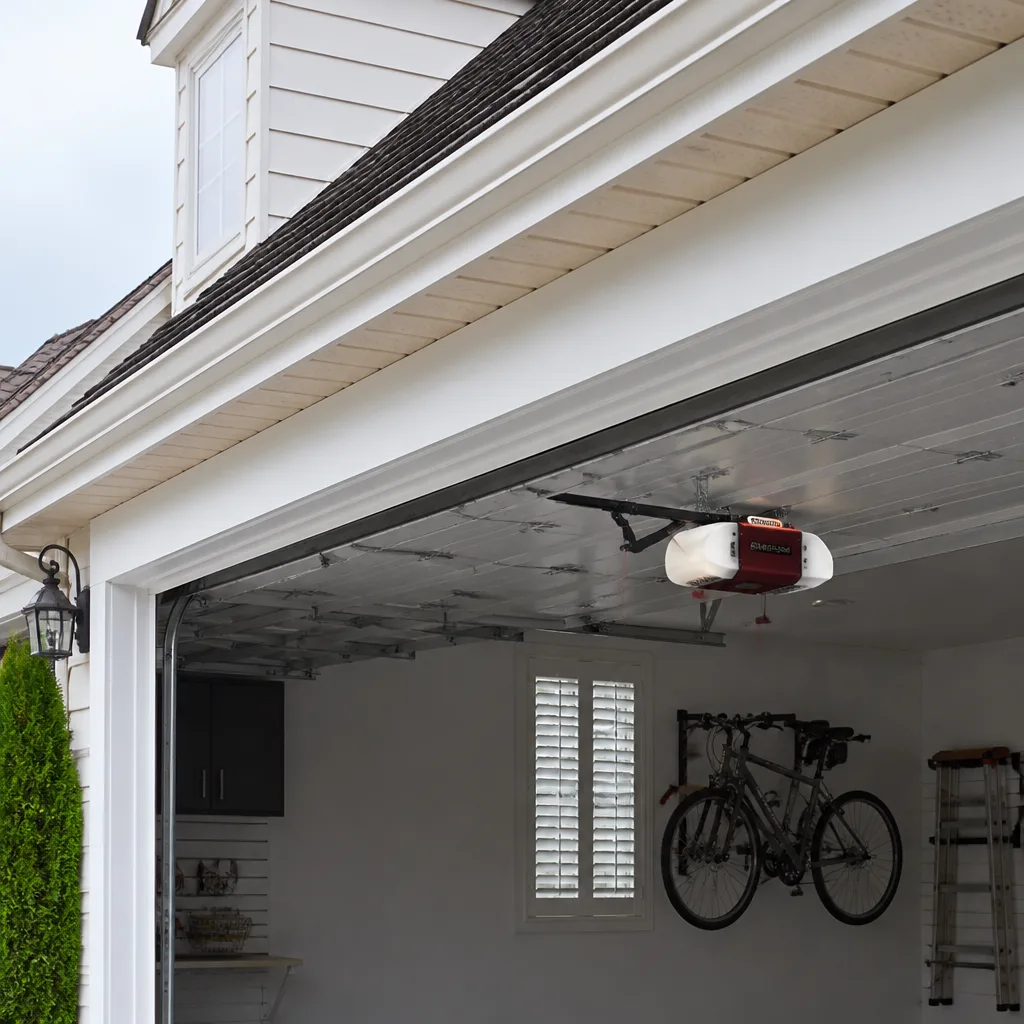 LiftMaster openers
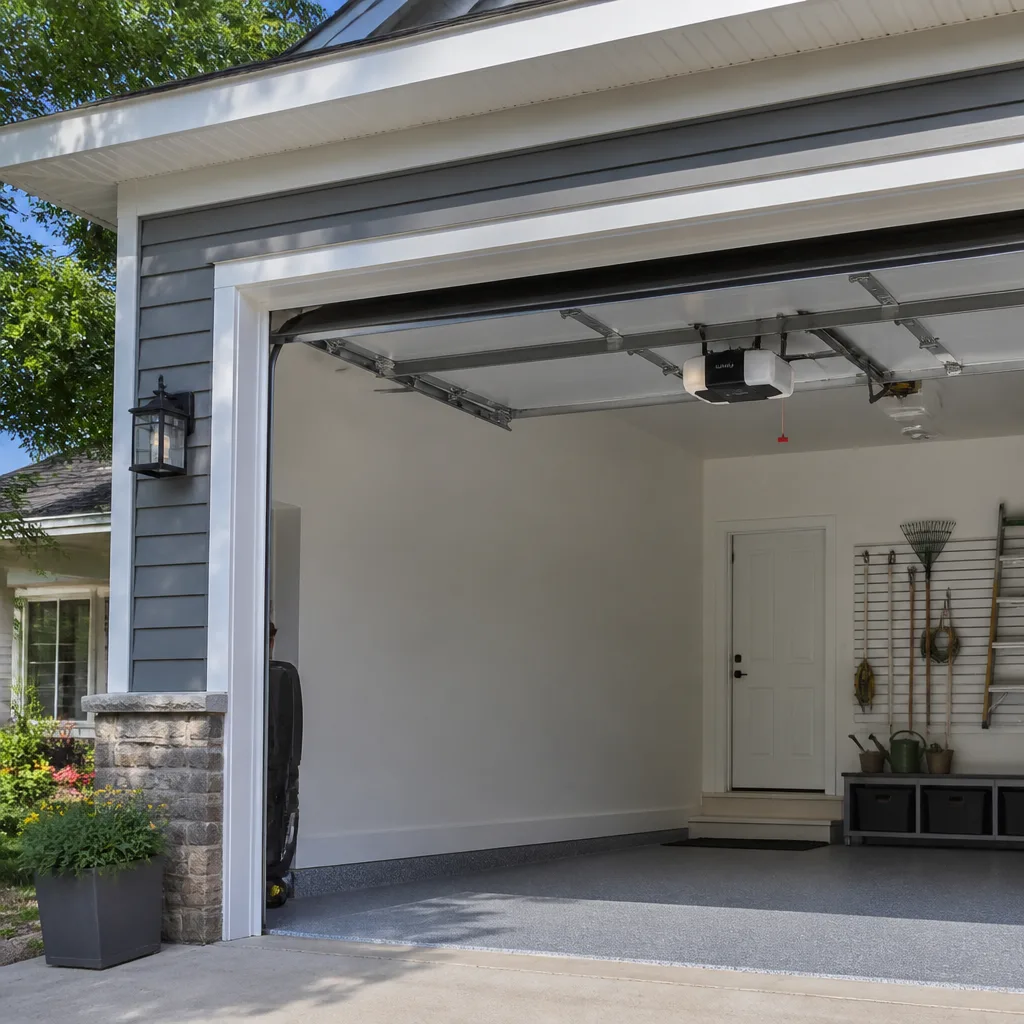 Chamberlain openers
Full 25-point door and opener safety check with every visit - springs, cables, rollers, tracks, and your LiftMaster or Chamberlain opener included
You get a price before we start. It does not change when the pro arrives.
Get your free estimateGarage Door Permits, Codes & Inspections in Parkchester, NY: What You Need to Know
Most Parkchester homeowners assume a garage door swap is a simple product purchase. That’s the misconception worth clearing up first. In New York City, the line between an ordinary repair and an alteration that needs a Department of Buildings filing runs through your door’s structure, its fire rating, and how the opening was originally built, not through how big the invoice is. A like-for-like panel replacement on an existing frame usually stays on the repair side of that line. Changing the opening, the header, or a fire-rated assembly often doesn’t. This guide walks through where that threshold sits, how co-op board approval overlaps with city permits, what NYC Building Code Section BC 406 requires of attached garages, and how to check a prior job’s closeout before you buy in Parkchester.
Quick Answer
For most NYC residential garage door work, replacing panels, springs, cables, rollers, or an opener on an existing frame is ordinary repair and doesn’t need a DOB permit. Work that alters the structure of the opening, changes a required fire-rated door assembly, or creates a new opening typically does require a DOB filing, and Section BC 406 of the NYC Building Code governs fire separation for garages attached to a dwelling. Beyond the city rules, a Parkchester co-op or condo board can impose its own approval process, and that approval is separate from, not a substitute for, a DOB permit. Always confirm the specifics with the NYC Department of Buildings and your building’s managing agent before work begins.
Styles & brands we work with
- Raised-panel steel
- Carriage house
- Modern flush
- Full-view glass
- LiftMaster openers
- Chamberlain openers
Table of Contents
- Repair or Permit? The Actual Threshold for Garage Door Work in Parkchester
- How Co-op Board Approval and City Permits Interact
- Fire-Rated Doors for Attached Garages Under NYC Building Code Section BC 406
- What “Grandfather” Status Really Means for Older Doors
- How to Verify a Permitted Job Was Closed Out in DOB NOW
- What a Proper Inspection Walkthrough Looks Like
- Why Parkchester Buildings Make This Trickier
- Choosing a Contractor Who Understands the Paperwork
Repair or Permit? The Actual Threshold for Garage Door Work in Parkchester
The threshold the DOB cares about is whether you’re altering the building or repairing it. A permit is generally required when the work touches the structure of the opening: widening it, raising the header, cutting into a load-bearing wall, adding a new opening, or replacing a required fire-rated assembly with a different rated assembly. A permit is generally not required when you’re replacing the same components in the same opening: springs, cables, rollers, hinges, panels, tracks, and openers all fall on the repair side when the frame and header stay as they were. In our experience across Parkchester, that’s the line that catches people, because a door that “looks the same” can still be a structural change if the framing behind it moves.
The practical test:
- Does the work change the size, shape, or location of the opening? If yes, treat it as an alteration and expect a DOB filing.
- Does the work replace a fire-rated door assembly with a door of the same rating in the same frame? Usually repair; confirm against the drawings.
- Does the work modify the header, jambs, or load-bearing framing? That’s structural, and a permit applies.
- Does the work change the door’s material or weight class enough to require new springs and reinforcement? That’s still repair if the frame is untouched, but the door spec still has to match what the opening was built for.
- Does your co-op or condo managing agent have a separate approval process? That happens before or alongside any permit, never instead of one.
Because Parkchester’s housing stock includes a large share of co-op and condo buildings, the answer to “do I need a permit?” often depends on two documents, not one: the DOB rule and your building’s alteration agreement. When the answer is unclear, ask the DOB and your managing agent in writing before you order anything. For the repair-side work itself, our Garage Door Repair Parkchester page covers what we handle and how the work flows.
How Co-op Board Approval and City Permits Interact
A co-op or condo board approval is required by the building, not by the city, and it does not replace a DOB permit. The two run on separate tracks. If the work needs a permit, you need both. If the work is ordinary repair under DOB rules, you may still need board approval because the alteration agreement says so. We see this trip up buyers and sellers in Parkchester on both sides: a seller who did a door swap without the alter-ation agreement signed, and a buyer whose attorney finds the missing paperwork during due diligence.
What a board review typically asks for:
- A description of the scope, in writing, on the alteration request form the managing agent provides.
- The contractor’s certificate of insurance, naming the building as additional insured.
- The contractor’s license and Workers’ Compensation details, as the managing agent requires.
- The proposed door’s specifications, including fire rating where the garage is attached.
- Proof of permit filing if the work is an alteration, and proof of closeout at the end.
A board can say no to work the city would allow, and a board can approve work the city would not. When the two conflict, the stricter requirement controls: you need both. Practically, that means getting the managing agent’s scope sign-off and the DOB answer in the same round of conversations, before the door is ordered. If the door is being replaced rather than repaired, our garage door installation team can supply the door spec sheet and manufacturer documentation a board review usually wants.
Fire-Rated Doors for Attached Garages Under NYC Building Code Section BC 406
NYC Building Code Section BC 406 governs private garages, and it’s the section a Parkchester homeowner should know by name when the garage shares a wall or ceiling with living space. In general, a garage attached to a dwelling is treated as a higher-hazard area and is separated from the residence by a fire-resistance-rated assembly, which usually means a rated door between the garage and the house, plus rated construction on the shared wall or ceiling. The door’s rating, not its style, is what the code cares about. Replacing a rated door with a non-rated door, or a lower-rated door, is an alteration that affects life safety and should be treated as one.
What that means in practice for a Parkchester attached garage:
- Check the door’s label or listing before you remove it. Rated assemblies carry a rating from a recognized testing agency, and that rating is the starting point.
- Replace a rated door with one of equal or greater rating. An unrated door in the same opening is a code problem regardless of how the swap is filed.
- Don’t “fix” a rated door assembly by swapping the frame, hinges, or hold-open hardware for parts that break the rating. The assembly is rated as a system.
- Keep the self-closing or automatic-closing feature if the door has one. Losing it defeats the rating.
- Ask the DOB to confirm which section applies to your specific building type and configuration before you order a replacement.
We don’t issue fire ratings and we don’t sign off on code compliance; what we do is supply the door and assembly documentation and install to the spec you and the DOB confirm. The one thing we won’t do is a same-day informal swap on a rated door, because that’s a project measured, ordered, and documented. For the non-rated repair work on an existing rated door (springs, cables, opener), the danger is mechanical rather than code, and our dedicated garage door repair service handles those with the tension relieved and the door fully secured before we touch anything.
What “Grandfather” Status Really Means for Older Doors
“Grandfather” doesn’t protect a door from a rule that already applied when it was installed. In New York City code terms, a legally existing non-compliant installation is typically protected only if it was lawful when it was built and hasn’t been altered in a way that changes the non-compliance. Once you replace the door or the assembly, the protection usually ends, and the new work has to meet current code for that element, not the code from the year the building went up. In an older Parkchester building, this is where a swap that feels routine can pull a whole assembly onto current code.
When grandfather protection typically stays in place:
- The door is being repaired, not replaced, and the rated assembly stays intact.
- No new opening, no structural change, and no change to the fire separation.
- The assembly has not been altered in a way that affects its rating.
When it typically stops applying:
- You replace the door with a different rated or unrated door.
- You change the frame, hardware, or self-closing mechanism in a way that affects the rating.
- You enlarge the opening or move the header, which turns the job into an alteration.
The practical move: before ordering a replacement for an older door in Parkchester, get a written answer from the DOB on whether current code applies to the new door and assembly. Older doors that predate current ratings look identical to rated ones to the untrained eye, and the labeled rating isn’t always still legible. Bring the door’s documentation, the opening’s dimensions, and your building’s drawings to that conversation.
How to Verify a Permitted Job Was Closed Out in DOB NOW
A permit that was filed but never closed out shows up on a property’s record as an open job, and it’s the single most common paperwork issue we hear about when a buyer’s attorney reviews a Parkchester property that includes garage work. A closed-out permit means the DOB received the required inspections and signed the job off; an open permit means the work may be complete but not accepted. The good news: DOB NOW makes the check relatively quick if you know the step order.
- Ask the seller or managing agent for the permit number, the filing date, and the name of the filing contractor.
- Look up the property’s job filings through the DOB NOW public portal using the address and, if the seller provides it, the permit number.
- Confirm the job status shows as signed off or closed, not pending or open, and that the inspections section shows the required sign-offs.
- If a Certificate of Occupancy or a Letter of Completion should have been issued, ask for a copy and confirm it matches the address and scope.
- If the job is open or the status is unclear, ask the DOB to confirm what’s outstanding before closing.
If the record shows an open job, a contractor or the seller’s filing professional can usually close it out by completing the outstanding inspection. The point is not to walk from the deal; it’s to get the status confirmed in writing before you sign, because an unclosed permit can complicate a resale and, in some cases, an insurance claim. If the door itself needs service during the process, our garage door opener repair team can check the operator side while the paperwork question is worked through.
What a Proper Inspection Walkthrough Looks Like
If a DOB inspection is part of a permitted garage door job, the walkthrough focuses on whether what was installed matches what was filed and whether the assembly works the way the code requires. In our experience working alongside inspection sign-offs in Parkchester, the items that get checked are usually straightforward and mechanical, not cosmetic. A door that runs smoothly and looks right can still fail an inspection if it doesn’t match the filed spec.
What tends to be checked, in order:
- The door assembly matches the filed scope, including rating and material where a rating applies.
- The opening, frame, and header match the filed dimensions and structural description.
- The door operates fully through its cycle, opens and closes smoothly, and holds open and closed positions.
- The safety reverse feature works: the door reverses when it meets an obstruction on the way down.
- The photo-eye or other safety sensors are mounted, aligned, and functioning if the opener requires them.
- The self-closing or automatic-closing feature on a rated assembly works as designed.
Before the inspection, we confirm the door spec sheet, the installation, and the filed scope all line up. We don’t conduct the DOB inspection ourselves and we don’t sign off on the result, but we do want the work we do to be ready for it. If the walkthrough flags something mechanical rather than code-related, that’s a repair, and we handle it as one. If it flags a scope mismatch, that goes back to the filing professional or the contractor who prepared the plans.
Why Parkchester Buildings Make This Trickier
Parkchester’s mix of mid-century co-op and condo buildings means a garage door here sits inside a network of rules that a single-family house in the suburbs simply doesn’t have. Three things make Parkchester work different. First, co-op and condo alteration agreements vary from building to building, so two Parkchester neighbors on the same block can face different approval paperwork for the same door. Second, parking structures and attached parking in multistory buildings have their own fire separation requirements, and a rated door in that setting is not a decorative choice. Third, older buildings predate a lot of current code, which puts more weight on the grandfather question above.
The building stock also shapes what “repair” means. A door in a Parkchester building may be shared between a garage bay and a utility space, or the assembly may include rated construction that a residential door swap would never touch. That’s why we ask about the building type before quoting, and why a straight panel-for-panel swap on a single-family home takes a different path than a rated-door replacement in a co-op.
Weather plays a smaller role here than the paperwork. Parkchester’s summers are warm and humid and its winters bring freezing nights, which shortens spring and cable life on a door that runs daily and gets no lubrication, but that’s a maintenance issue rather than a code one. For the brand side, doors from Clopay and Amarr are common in Parkchester installations, and openers from Genie and Chamberlain show up frequently on older units. We know those systems and don’t have to guess at parts.
Choosing a Contractor Who Understands the Paperwork
The most useful thing a contractor can do on a Parkchester garage door job is separate the technical work from the paperwork early. A contractor who tells you a rated door swap needs no paperwork at all is a problem; so is one who offers to “handle the permit” for a spring replacement that doesn’t need one. The right answer is a conversation about the scope, the building type, and the DOB’s requirement, with the permit decision made in writing before the work begins.
What to ask before you sign:
- Does my door require a DOB filing, and if so, who files it?
- If a rated assembly is involved, can you supply the door’s rating documentation?
- Will you submit the scope and insurance details to my co-op or condo managing agent, or do I?
- If the door is an installation or replacement, what’s the written estimate and timeline?
- If it’s a repair on an existing door, what’s the scope and does it stay on the repair side of the DOB line?
Our technicians have up to 15 years of experience, and we work on LiftMaster, Chamberlain, Genie, Clopay, Amarr, Wayne Dalton, Craftsman, and Raynor, which means we’re not blocked by the brand when the scope question comes up. We won’t tell you what your building’s board or the DOB will decide; we’ll tell you what the work involves and what documentation we can supply. Call (866) 966-1056 for a free estimate. We answer 24/7. Fast dispatch from 7am to 7pm, Sunday through Friday, for repair and emergency work, and we’ll schedule a measure for any replacement before quoting.
Common Mistakes to Avoid
- Treating a rated door swap as ordinary repair. If the garage is attached to living space and the existing door is rated, replacing it with an unrated door affects fire separation and usually requires a filing, even when the opening doesn’t change.
- Assuming a co-op board approval replaces a DOB permit. Board approval is required by the building; the DOB permit is required by the city. When the work needs both, you need both, and the stricter requirement controls.
- Replacing an older door before checking grandfather status. Once you replace the assembly, protection from a rule that predated the current code usually ends, and the new work has to match current code for that element.
- Buying in Parkchester without checking the job record. An open permit on a prior garage job can complicate a resale and insurance review. Look up the DOB NOW record before closing, not after.
- Letting the contractor choose the scope without a written spec. A board review and a DOB inspection both want a written scope. Get the scope in writing before the door is ordered.
- Assuming the worst-case work is the same on a single-family and a co-op. The building type changes the paperwork and sometimes the assembly, which is why we ask about it before quoting.
- Trying to self-diagnose a spring or cable problem to save a call. Springs and cables are under high tension and can cause serious injury if handled by someone without training. That’s the work our garage door repair team handles with the door secured first.
See the difference
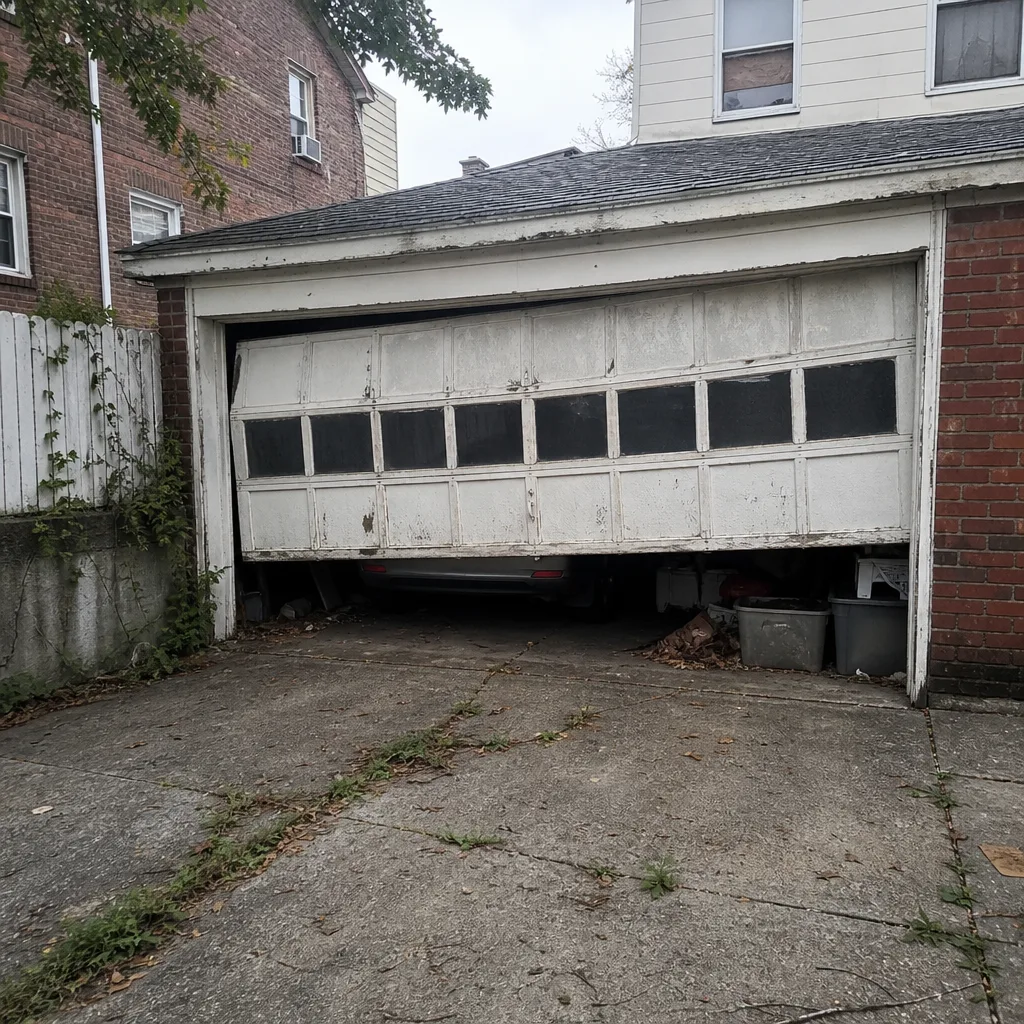 Before
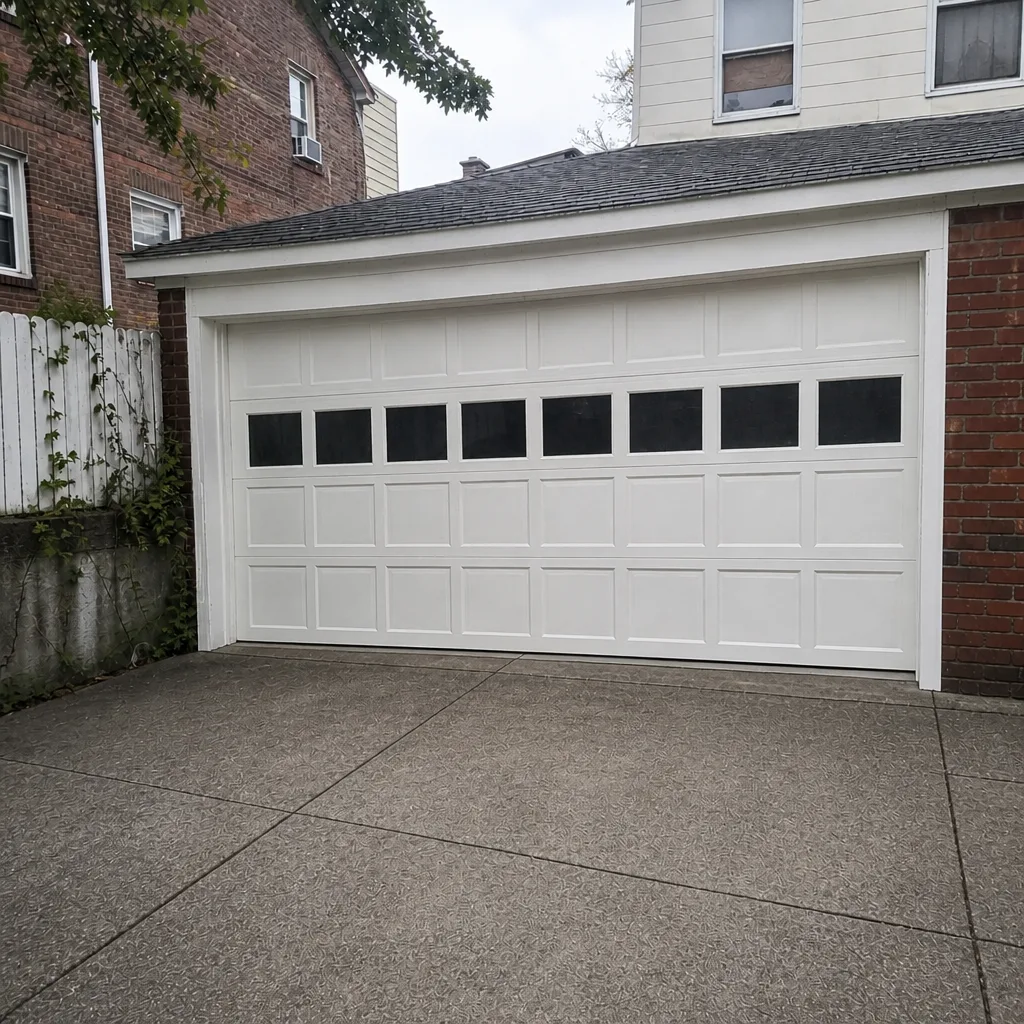 After
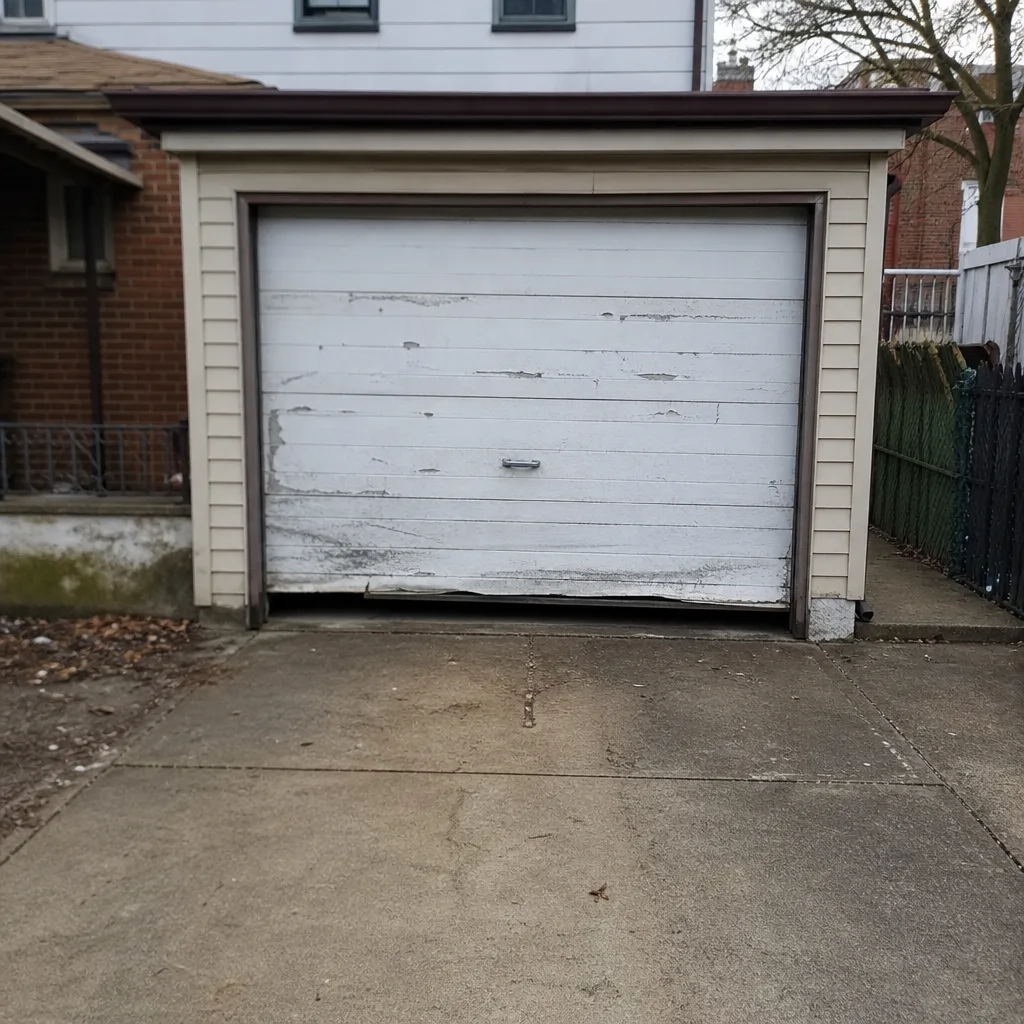 Before
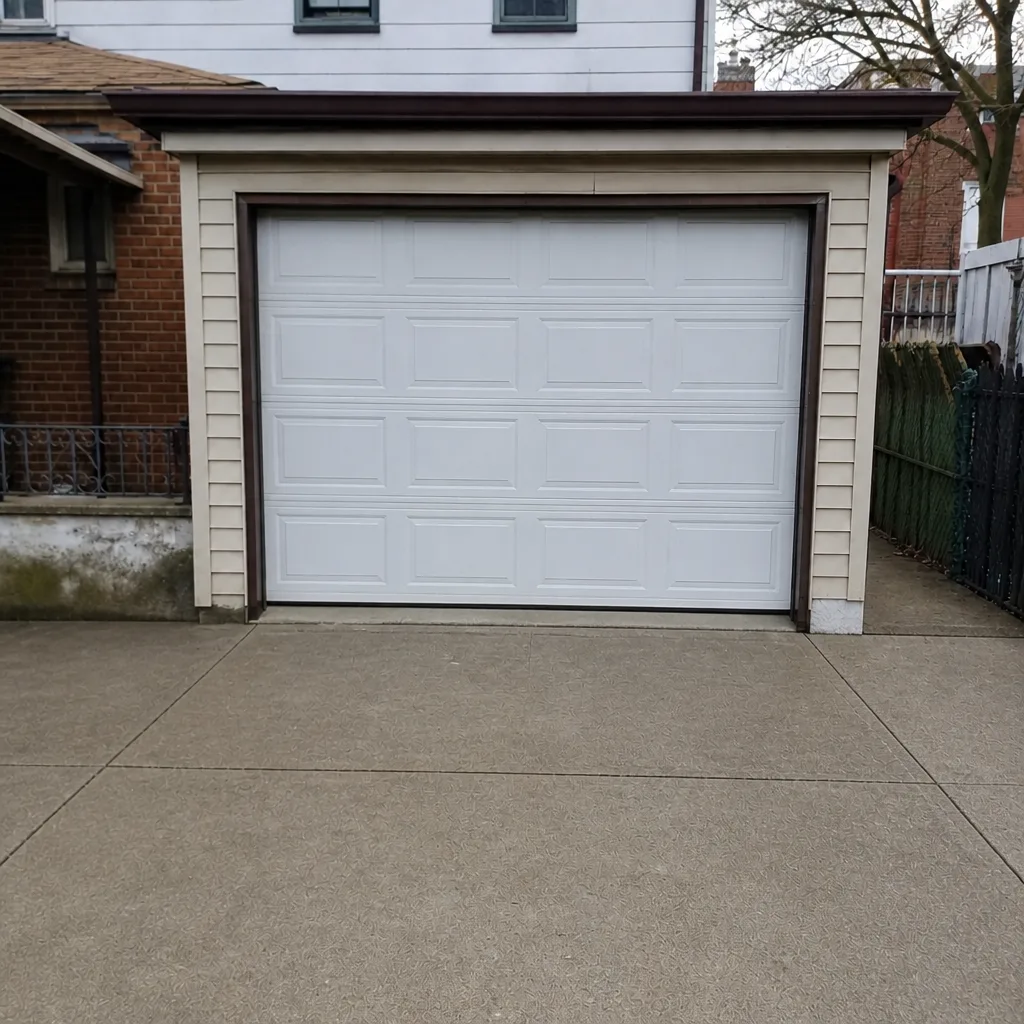 After
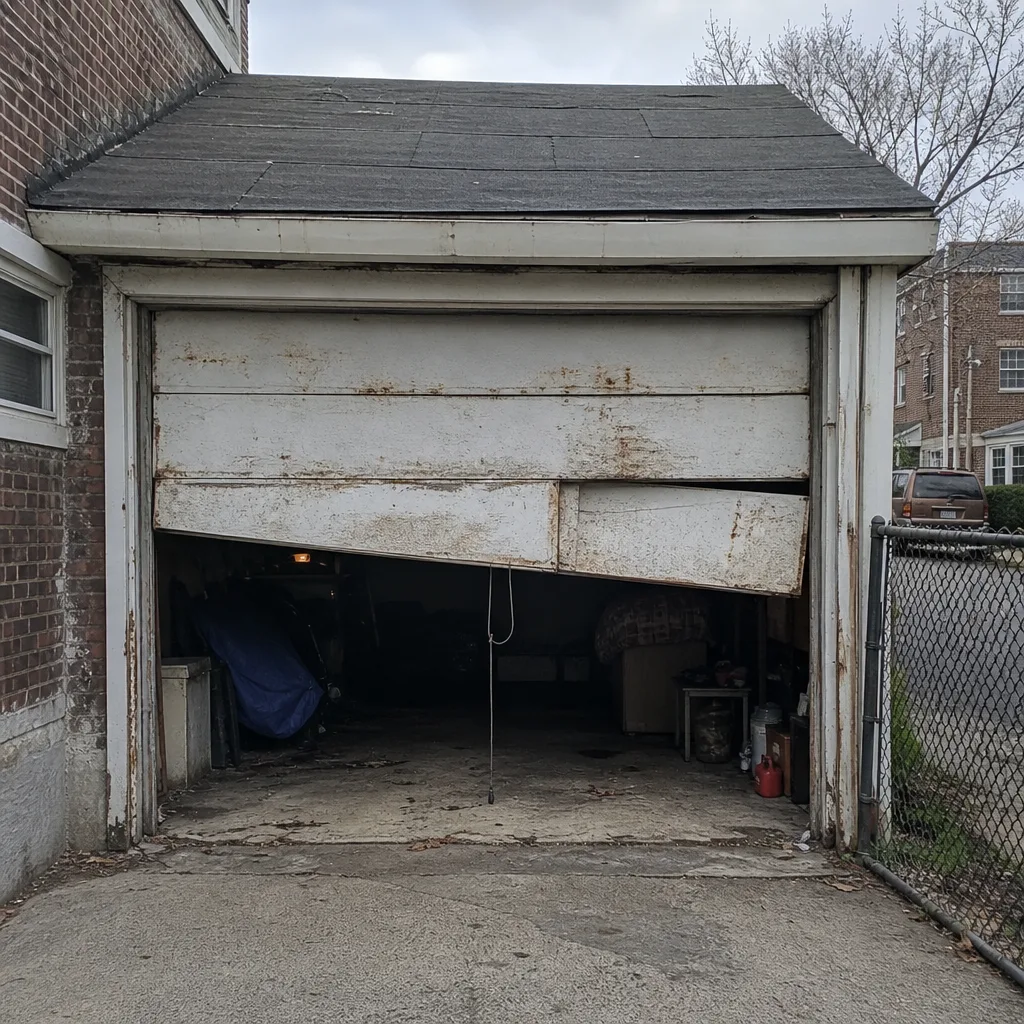 Before
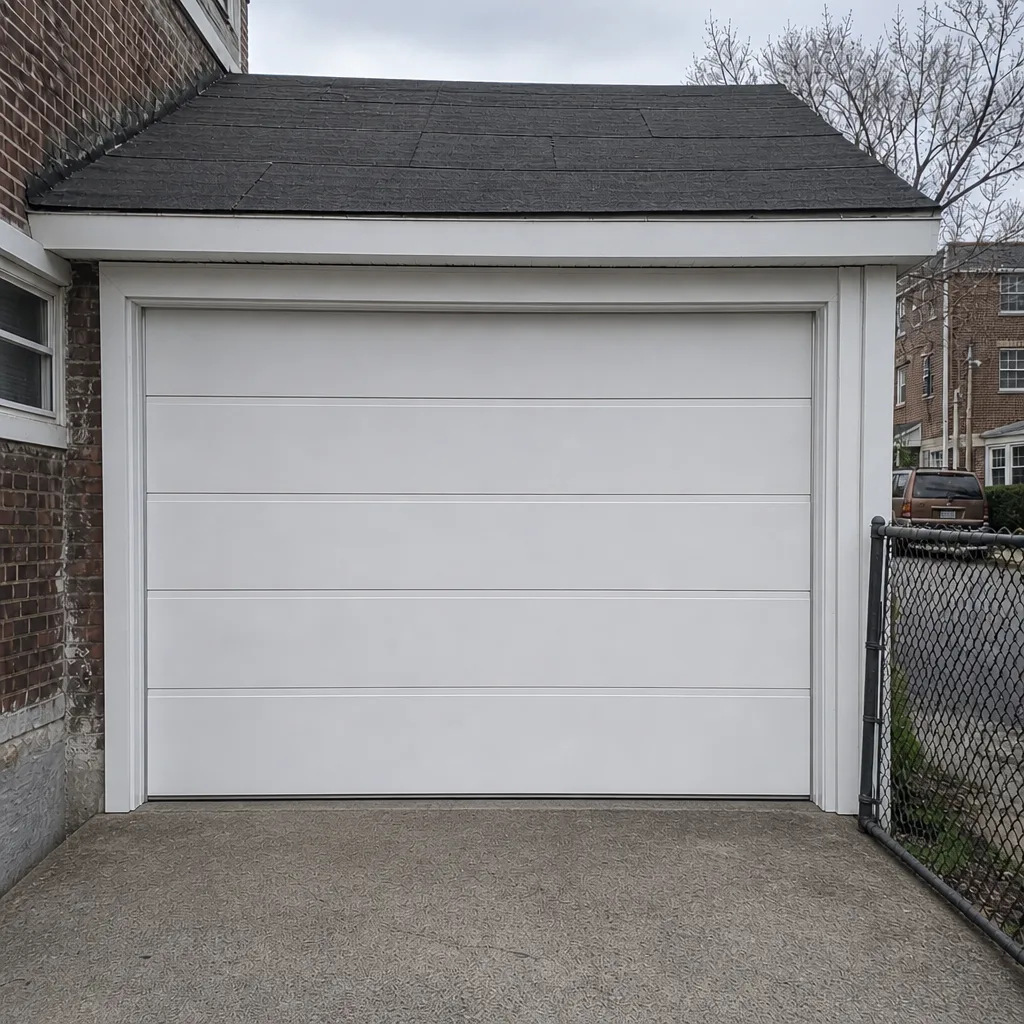 After
When to Call a Professional
Call us when the door won’t move, when a spring or cable looks deformed or hangs loose, when the door is off its track, when the opener runs but the door doesn’t, or when you’re planning a replacement and need a written scope for a board review or a DOB filing. Springs and cables are the most dangerous part of the job: they’re under high tension, and a slip can cause serious injury, so we recommend a trained technician for anything that involves them. For a Parkchester replacement, we measure and quote before ordering, and we supply the door documentation your managing agent or filing professional asks for. Garage Door Repair Parkchester offers free estimates in Parkchester. Call (866) 966-1056. We answer 24/7. Fast dispatch from 7am to 7pm, Sunday through Friday.
Frequently Asked Questions
Usually not, if it’s a like-for-like panel or component replacement on the same frame. You likely do need a permit if the work changes the size or structure of the opening, or replaces a required fire-rated assembly with a different one. Confirm with the NYC Department of Buildings and your managing agent before ordering, and call (866) 966-1056 for a free estimate if you’d like a scope written out.
No. Board approval is a building rule and a DOB permit is a city requirement; they run on separate tracks, and when both apply you need both. The stricter of the two controls if they conflict.
Section BC 406 governs private garages and generally requires fire separation between an attached garage and the dwelling, which usually includes a rated door between the two. The rating, not the style, is what matters, so a replacement door needs to meet or exceed the rating of the one it replaces. Ask the DOB to confirm specifics for your building.
Ask the seller for the permit number and filing contractor, then look up the job on the DOB NOW public portal and confirm the status shows signed off or closed. If it shows open, ask the DOB what’s outstanding before closing on the property.
Usually not. Grandfather protection typically covers a legally existing non-compliant installation, and once you replace the door or alter the assembly, the protection generally ends and the new work needs to meet current code for that element. Get a written answer from the DOB for your specific door.
The local professionals we connect you with are licensed and insured as their state and city require, and we can supply the certificate of insurance a Parkchester managing agent asks for. Call (866) 966-1056 for a free estimate. We answer 24/7. Fast dispatch from 7am to 7pm, Sunday through Friday, for repair and emergency work.
The Bottom Line
In Parkchester, a garage door is a code question as much as a mechanical one. Match the scope to the right track: spring, cable, roller, panel, and opener work on an existing frame is ordinary repair; structural changes, new openings, and fire-rated assembly swaps are alterations that usually need a DOB filing. Co-op and condo board approval sits alongside the DOB process, not in place of it. Grandfather protection usually ends when you replace the assembly, so check the door’s status before you order. And before you buy in Parkchester, verify the prior job is closed out in DOB NOW. Get the paperwork right, and the door itself is the easy part.
Written by the team at Garage Door Repair Parkchester.