
Last updated November 21, 2026
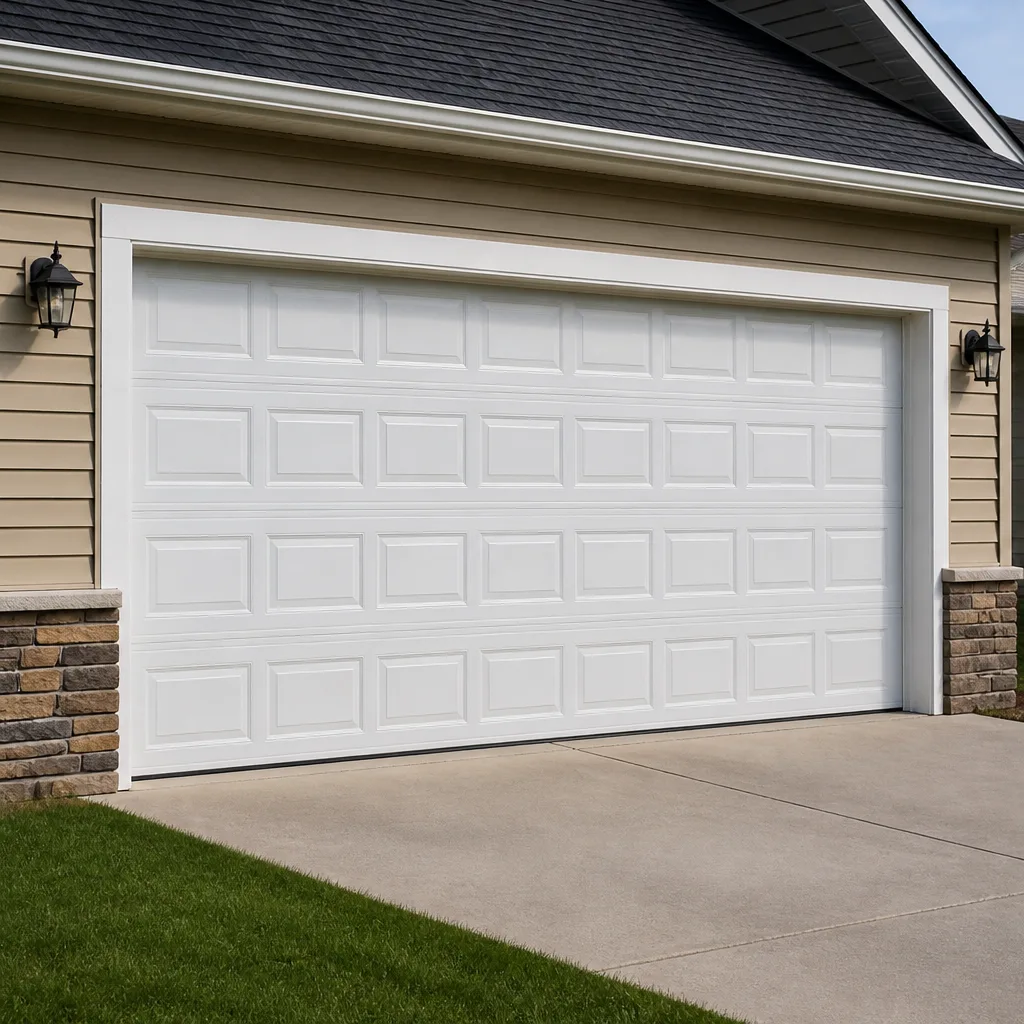 Raised-panel steel
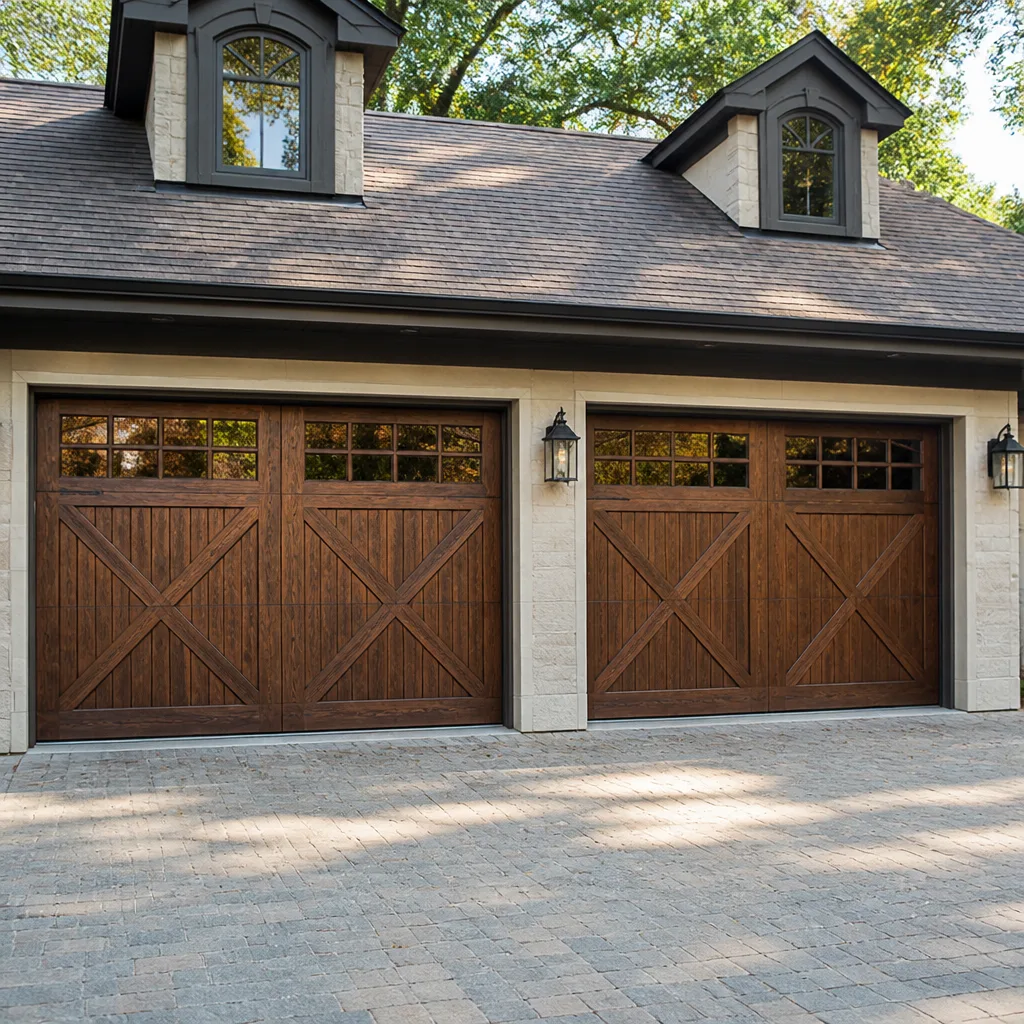 Carriage house
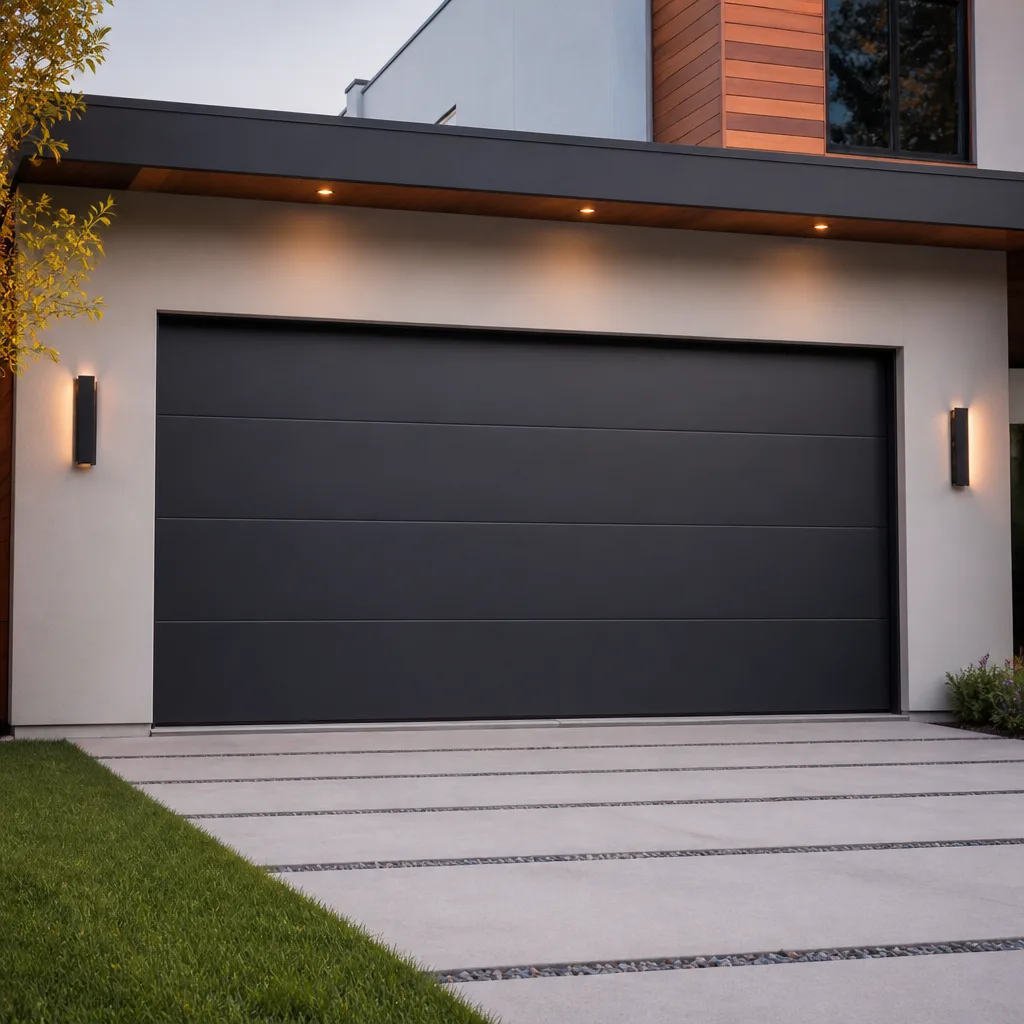 Modern flush
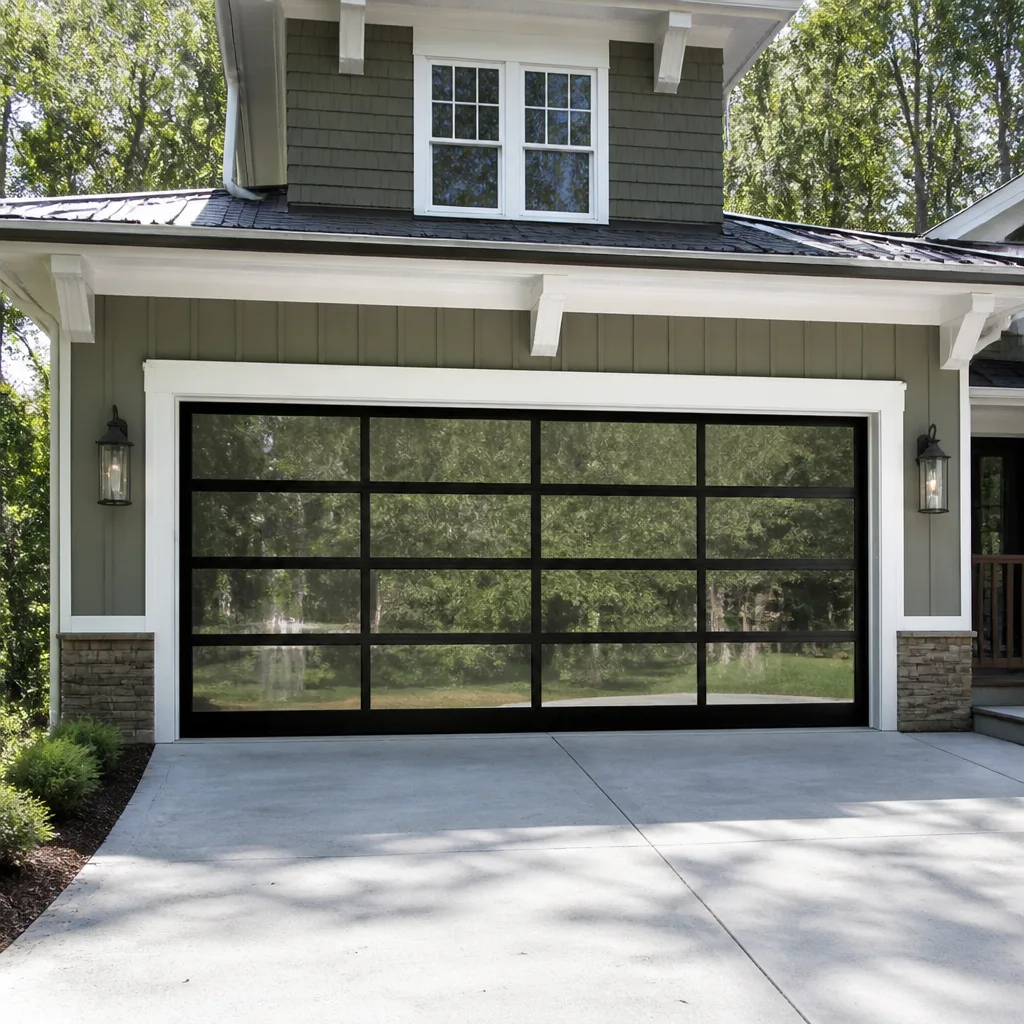 Full-view glass
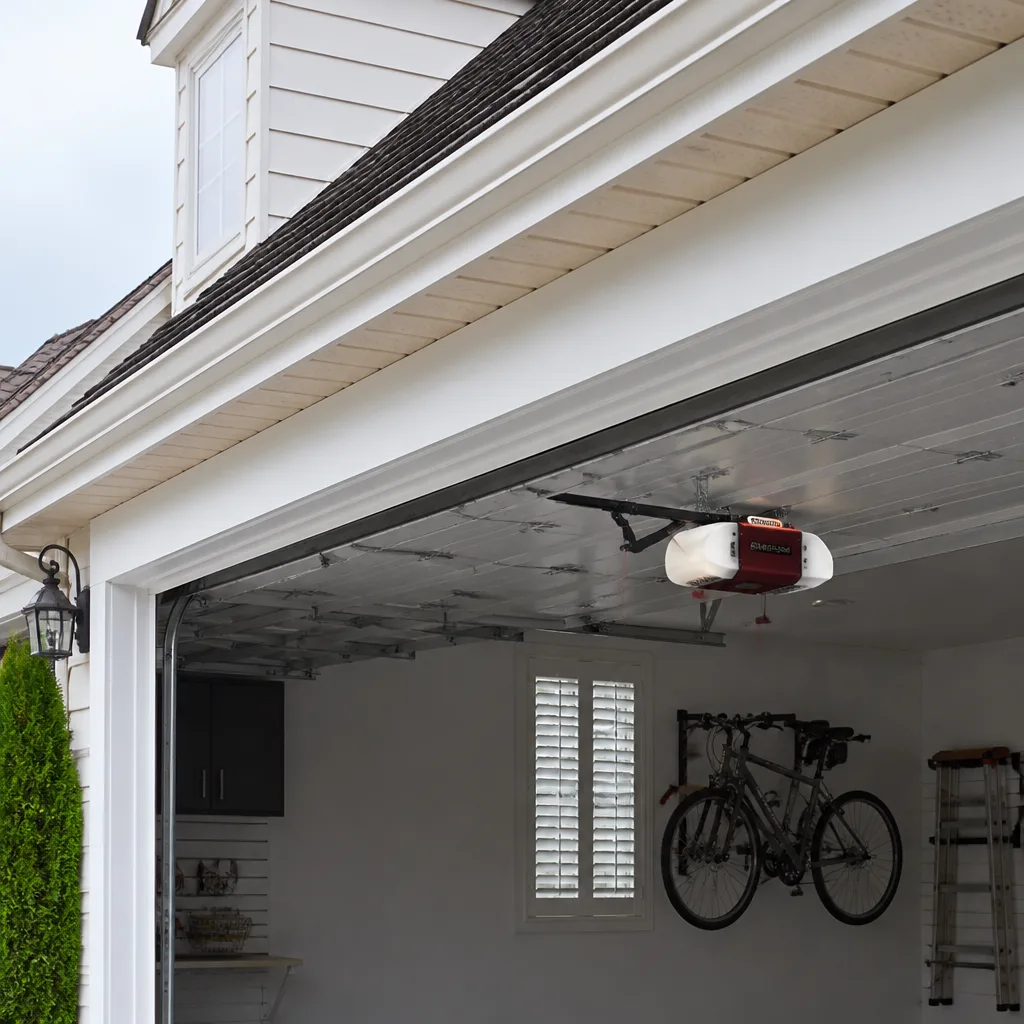 LiftMaster openers
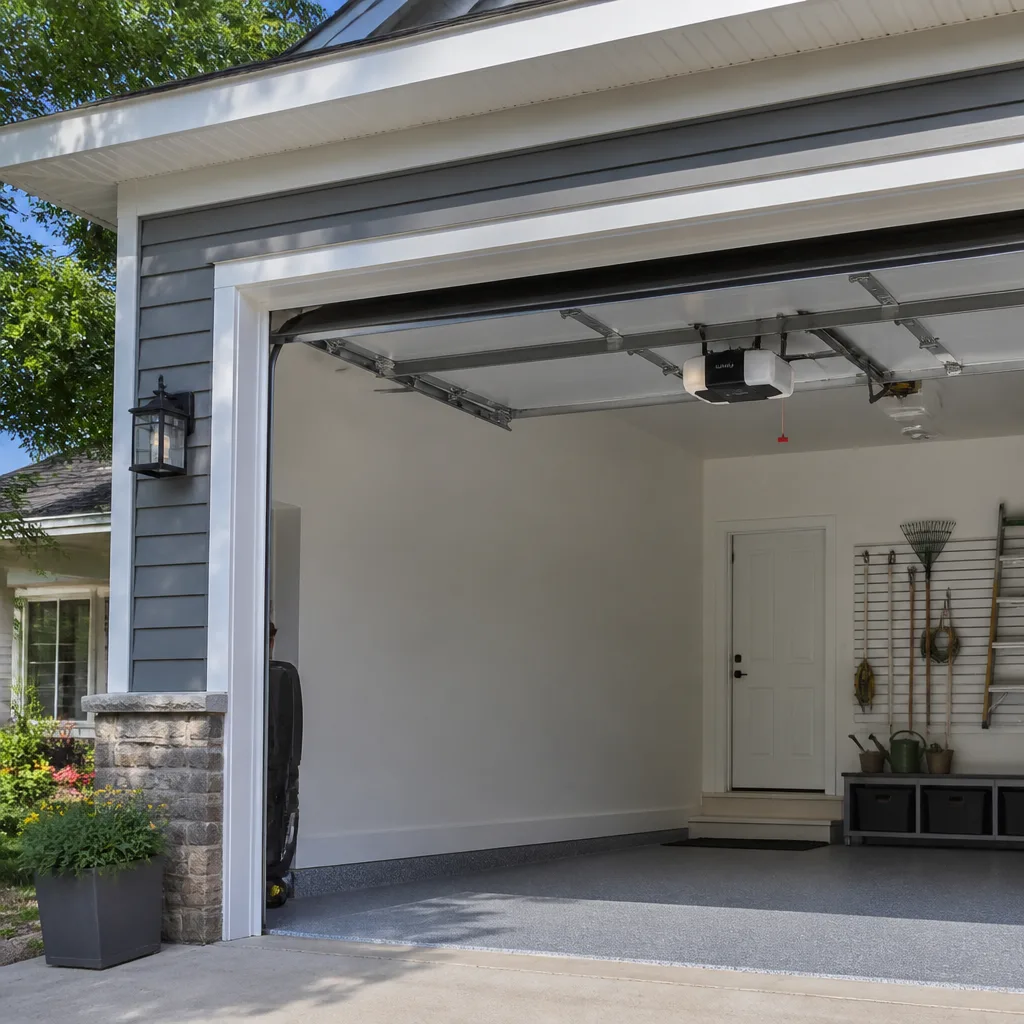 Chamberlain openers
Full 25-point door and opener safety check with every visit - springs, cables, rollers, tracks, and your LiftMaster or Chamberlain opener included
You get a price before we start. It does not change when the pro arrives.
Get your free estimateGarage Door Emergency Preparedness Guide for Parkchester Homes
Most Parkchester garage door emergencies don’t start at the door. They start at the moment you realize you don’t know where the manual release cord is, who to call, or what your door’s model number is. The door was working five minutes ago. Now it’s hanging half open in a shared alley, and you’re standing there with a flashlight and a phone you haven’t charged. The homeowners who get out of that situation fastest aren’t the ones with more money or better luck. They’re the ones who spent twenty minutes preparing before anything broke. This guide covers how to disengage your opener safely during a power outage, what to do the moment a spring snaps, how Parkchester’s shared alleys and tight lot lines change the playbook, and the three items you should have in your garage tonight. Read it once now, and you’ll never have to figure it out mid-crisis.
Quick Answer
Garage door emergency preparedness in Parkchester comes down to three moves: know how to put your opener into manual mode without derailing the door, know the exact symptom and model details to give a technician on the phone, and keep a manual release marker, a spare opener battery, and a specialist’s number stored in the garage. With those in place, most calls resolve quickly. Without them, a snapped spring or dead opener turns into hours of standing around and a much bigger repair bill.
Styles & brands we work with
- Raised-panel steel
- Carriage house
- Modern flush
- Full-view glass
- LiftMaster openers
- Chamberlain openers
Table of Contents
- Why Garage Door Emergencies Follow Predictable Patterns
- How Do You Open a Garage Door During a Power Outage?
- What Should You Do When a Garage Door Spring Snaps?
- Parkchester Access: Alleys, Shared Structures, and Blocked Doors
- The Three-Item Emergency Kit Every Parkchester Garage Should Have
- What Info to Have Ready Before You Call for Emergency Service
- Warning Signs That Usually Come Before a Breakdown
- What Does Emergency Garage Door Repair Cost in Parkchester?
Why Garage Door Emergencies Follow Predictable Patterns
Garage doors fail in boring, repeatable ways. The torsion spring that lifts a two-car door is under enormous tension and cycles thousands of times a year. It doesn’t fail randomly; it fails after a predictable number of cycles, often within weeks of the same season it gave out last time. Openers lose their logic board memory after a power surge. Rollers wear flat on one side and start skipping. The bottom seal dries, cracks, and lets water in during a heavy rain. None of that is bad luck. It’s the physics of a heavy metal door with springs and a motor.
That predictability is good news. It means you can prepare for the failures that actually happen instead of the ones you imagine. In our experience across Parkchester, three problems account for most emergency calls:
- Snapped torsion spring. The door feels suddenly too heavy to lift, or lifts unevenly, or won’t budge at all. This is the most common emergency call we get.
- Opener failure. The motor runs but the door doesn’t move, or the door moves a few inches and reverses, or nothing happens at all after a power blink.
- Off-track door. Usually caused by a car nudging the bottom panel, a roller jumping its track, or a manual release pulled while the door was under tension.
Each of those has a different correct response. Preparing for all three takes about the same amount of effort as memorizing your wifi password. It pays for itself the first time something goes wrong.
How Do You Open a Garage Door During a Power Outage?
You disengage the opener by pulling the manual release cord, then lift the door by hand. The manual release is a red-handled cord that hangs down from the opener rail, usually about six feet off the floor in the center of the garage ceiling. Pulling it detaches the carriage from the opener chain or belt, which lets you operate the door manually. It works on every major brand, from LiftMaster and Chamberlain units to Genie and Craftsman openers.
The mistake that derails the door off its track almost every time is pulling the release cord while the door is partially open or under tension. When the door is anywhere other than fully closed, the springs are still loaded. Pulling the cord lets the door slam down hard, and that slam can bend a panel, pop a roller, or twist the track. The safe sequence is short:
- Stop pressing the wall button or remote. Give the door thirty seconds to settle fully closed.
- Pull the release cord straight down. You’ll hear a click when the carriage disengages.
- Lift the door slowly with both hands from the bottom center. If it feels heavy, don’t force it – the springs may have failed, and a door with a broken spring can weigh hundreds of pounds.
- Prop the door open with a sturdy brace if you need to leave the garage.
- Re-engage the opener only after the door is fully closed again, by pulling the carriage back toward the opener motor until it snaps in.
If your door was already opening when the power dropped, don’t pull the cord. Leave the door where it is, and call for garage door repair before you move it. A trained technician can bring the door down safely and check whether the springs or track took any damage. On a Parkchester block where one garage door sits directly under a tenant’s window, a door dropping unexpectedly is more than an inconvenience.
We answer 24/7. If the power outage left you with a door stuck open, fast dispatch from 7am to 7pm will get a trained technician to you to close it up safely.
What Should You Do When a Garage Door Spring Snaps?
Stop touching the door. A snapped torsion spring releases the tension that holds the door’s weight, and from that moment on the door is being held up only by the opener arm and whatever track hardware remains. Running the opener again can bend the rail, crack a panel, or worse. A garage door spring under load can cause serious injury; this is one of the few parts of a garage door where doing it yourself is genuinely dangerous. Leave the repair to a trained professional.
The unmistakable sign of a snapped spring is a loud bang from the garage, followed by a door that suddenly feels far heavier than usual or won’t lift at all. If you have a torsion system, look at the springs across the top of the door front: a broken one will show a visible gap in the coil. If you have extension springs along the sides, a broken one will be hanging loose.
Here’s what to do next, in order:
- Stop using the opener entirely and unplug it from the wall outlet.
- Leave the door closed if it’s already down. Don’t try to lift it to check.
- Secure the garage manually. If the door is up, pull the manual release carefully (door fully up or fully down only), bring the door down by hand with a second person helping, and lock the door’s slide bolt or install a c-clamp on the track above a roller so it can’t roll up.
- Photograph the broken spring and the door’s brand label from inside the garage, so you can give the technician details before they arrive.
- Call for spring repair. Spring work is its own trade inside garage doors, and it’s one of the highest-risk repairs on the whole assembly.
We handle spring repair as a dedicated service, not an afterthought. Our technicians have up to 15 years of experience and have worked on Amarr, Raynor, and virtually every other major door brand in circulation. Call (866) 966-1056 for a free estimate. We answer 24/7. If your call comes outside dispatch hours, it’s booked into the next opening, Sunday through Friday, 7am to 7pm.
Parkchester Access: Alleys, Shared Structures, and Blocked Doors
Parkchester’s garage layout is its own animal. Many homes have garages accessed through shared alleys, and lots sit close together, sometimes sharing a driveway apron or a structural wall with a neighbor’s garage. When a door fails, the repair isn’t always just about the door. A door stuck partially open in a shared alley can block access for a neighbor’s car, obstruct a fire lane, or leave a shared structure exposed overnight.
Three things to plan for in advance:
- Know your nearest alley access point. If a service van can’t get to your garage door directly, the technician needs to know which alley entrance to use. Note it on your phone or write it on the back of your opener manual.
- Coordinate with a neighbor before a service call is needed. If your garage shares a wall or a driveway with a neighbor’s, agree in advance who you’ll notify if the door has to stay open for a few hours. This matters most on blocks where cars are parked nose-to-tail.
- Lock down what you can. If the door can’t close, move expensive tools and equipment to the house side of the garage. A broken garage door is an open invitation to theft, and in dense Parkchester blocks that matters more than in a suburban driveway.
We know these blocks. When you call with your address and the alley situation, we can plan the service visit around how much clearance the technician will have. If a neighbor’s car has to be moved, we’ll tell you that on the phone so it’s handled before the van shows up.
The Three-Item Emergency Kit Every Parkchester Garage Should Have
This is the part you can do this week, in under ten minutes, that will save you hours the next time something goes wrong. Three items, stored in the garage where you can find them in the dark:
- A manual release cord marker. The factory release cord is a thin red handle that’s easy to miss when you’re in a rush. Zip-tie a bright tag or a short length of glow-in-the-dark cord onto the handle so you can grab it by feel. In a power outage you’ll be doing this in the dark.
- A spare opener remote battery. Every opener remote uses a coin cell or a small cylindrical battery, and dead remotes get misdiagnosed as dead openers all the time. Buy the right size (the packaging on your remote is stamped with it) and keep it fresh; rechargeable or lithium cells last longer in a cold garage than standard alkalines.
- The number for a 24/7 local specialist, taped to the inside of the door’s wall-mounted opener housing. Ours is (866) 966-1056. We answer 24/7 and dispatch fast from 7am to 7pm, Sunday through Friday. Don’t store the number only in your phone; the phone is the thing that dies when you need it most.
Optional but worth adding if you have room: a small flashlight with fresh batteries, a c-clamp sized to fit your vertical track (useful for holding a door closed or open during repairs), and your opener manual, which tells you the exact release location and how to program a new remote without a technician. Some Parkchester owners add a smart-home opener retrofit for remote status alerts; we work on the two biggest smart-compatible brands, LiftMaster and Chamberlain, when you’re ready for that upgrade.
What Info to Have Ready Before You Call for Emergency Service
The single biggest time-saver in an emergency is knowing what to tell the technician on the phone. A call that starts with “my garage door is broken” can take three times as long to sort out as a call that starts with “my Craftsman opener runs but the door won’t move, and I think the spring on the left side is broken.” Here’s what to have ready before you dial:
- The door brand and model. Look for a label on the inside of the door. If it says Clopay, Amarr, Wayne Dalton, Raynor, or another brand, say so. Brand matters because parts and track measurements differ.
- The opener brand and model number. On most openers the model is printed on a sticker near where the safety sensors connect. On LiftMaster and Chamberlain units it’s usually on the back panel or under the light cover.
- A symptom description. “Door stays closed, opener runs for two seconds and stops.” “Door lifts three inches and reverses.” “Loud bang, door won’t move, spring has a visible gap.” Those details let a dispatcher give you a much more accurate ETA and price range.
- Your address and alley access notes. For Parkchester, always include this. “Backs onto the alley off Metropolitan Oval” is more useful than “near the Oval”.
- Anything already tried. If you pulled the manual release, tell the technician. If you’ve already tried to force the door up, tell them that too. It changes the repair plan.
With that info, a technician can often diagnose the problem before they arrive, so they show up with the right parts. Our technicians are factory-familiar with 8 of the industry’s dominant brands and can work on virtually every major residential system without guessing. If yours is on the less-common end of the market, we’ll tell you upfront whether it’s the right fit before you commit to a visit.
Warning Signs That Usually Come Before a Breakdown
Most emergency calls come with a warning that was ignored a week earlier. Pay attention to these signals, and you can schedule a repair instead of an emergency response:
- The door is getting louder. Grinding, squealing, or a heavy clunk on the way up usually means worn rollers or a dry hinge. Those are quick fixes that get expensive if they’re ignored.
- The door reverses on its own. If it goes up a foot and goes back down, the safety sensors are misaligned or dirty, or the opener’s travel settings have drifted. A door that reverses on its own is a safety problem, not just an annoyance.
- It feels heavy by hand. Disengage the opener, lift the door manually (door fully closed only), and see how heavy it feels. If it’s noticeably harder to lift than it used to be, the springs are weakening and a snap is coming.
- Visible gaps or gaps in the spring coil. Any visible break in a spring means stop using the door now.
- The opener’s light blinks in a code sequence. On most modern openers a blinking LED is a fault code. Grab your manual or look up the code for your model; we also field those calls.
- Weather seal and bottom weatherstrip are cracking. Not itself dangerous, but a worn seal lets water in and warps the door’s bottom panel over time.
If any of those signs are showing on your Parkchester garage today, the best move is to schedule a diagnostic before the problem becomes an emergency. Our garage door opener repair and spring repair work includes a full inspection of the rest of the assembly, so you know what needs attention and what doesn’t.
What Does Emergency Garage Door Repair Cost in Parkchester?
Nobody wants to talk price when a door is hanging off its track, but you should know the ranges going in. The written estimate you get before any work starts is the number that matters; our technician quotes the job in writing and agrees it with you before touching the door.
- Torsion spring repair (one spring): typically $180-$340 depending on the door size and spring type. A matched pair is usually replaced together, so a pair costs roughly twice that.
- Extension spring repair (one spring): typically $150-$280. Same pair logic applies.
- Opener repair or reset: typically $95-$220 depending on the fault, brand, and whether logic board or motor components need replacing.
- Off-track door realignment: typically $140-$320, higher if panels or rollers need replacement.
- New opener installation (when a failed unit isn’t worth repairing): typically $280-$600, dependent on brand and belt/chain choice.
If the door is beyond repair and needs replacement, the price climbs to a full garage door installation range starting around $800 and up, depending on door size and style. Anything we quote over the phone is an estimate; the written, agreed price is final, and it’s set before the technician starts work. If you want the full cost breakdown by job type, our Garage Door Repair Parkchester service page covers the parts and labor splits in more detail. For a free estimate today, call (866) 966-1056. We answer 24/7. Fast dispatch from 7am to 7pm.
Common Mistakes to Avoid
- Pulling the manual release while the door is partially open. The single biggest cause of off-track doors during a power outage. The door needs to be fully closed before you pull the cord, or the slam can bend a panel and pop a roller out of the track.
- Forcing the door up with a broken spring. A door with a broken spring is not light; if you try to muscle it up by hand you can hurt yourself or bend the panels beyond repair. Leave it down, call for repair.
- Continuing to cycle the opener after the door fails. Each time the opener runs against a jammed or broken door it strains the rail and the motor. The shortest repair becomes the biggest.
- Assuming it’s the remote when the opener is dead. Buy a spare remote battery first, but if a fresh battery doesn’t fix it, don’t keep replacing remotes; the opener’s receiver or logic board may be the real problem.
- Not telling dispatch about the alley situation in Parkchester. A service van that can’t reach your door means the technician may have to park blocks away and walk their tools in. Say where the access is when you call.
- Ignoring a bending bottom panel from a tight driveway. In Parkchester’s close lots a car nudging the bottom panel is common. Left alone, a bent panel can throw the door off track and force a repair that was avoidable.
- Hiring based on the lowest quote without checking what’s included. A spring replacement done without balancing and adjusting the whole door often comes back. Ask what’s included in the quote and whether the door will be tested after the repair.
See the difference
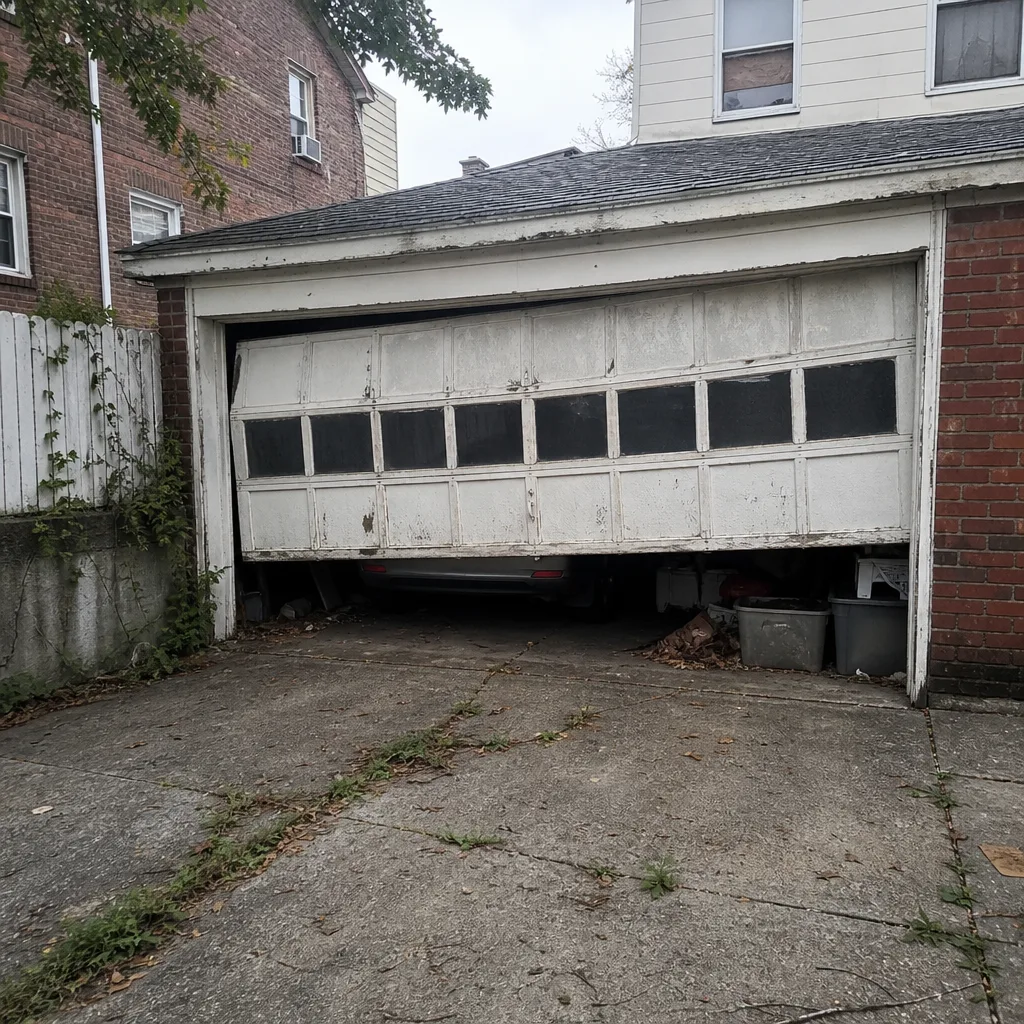 Before
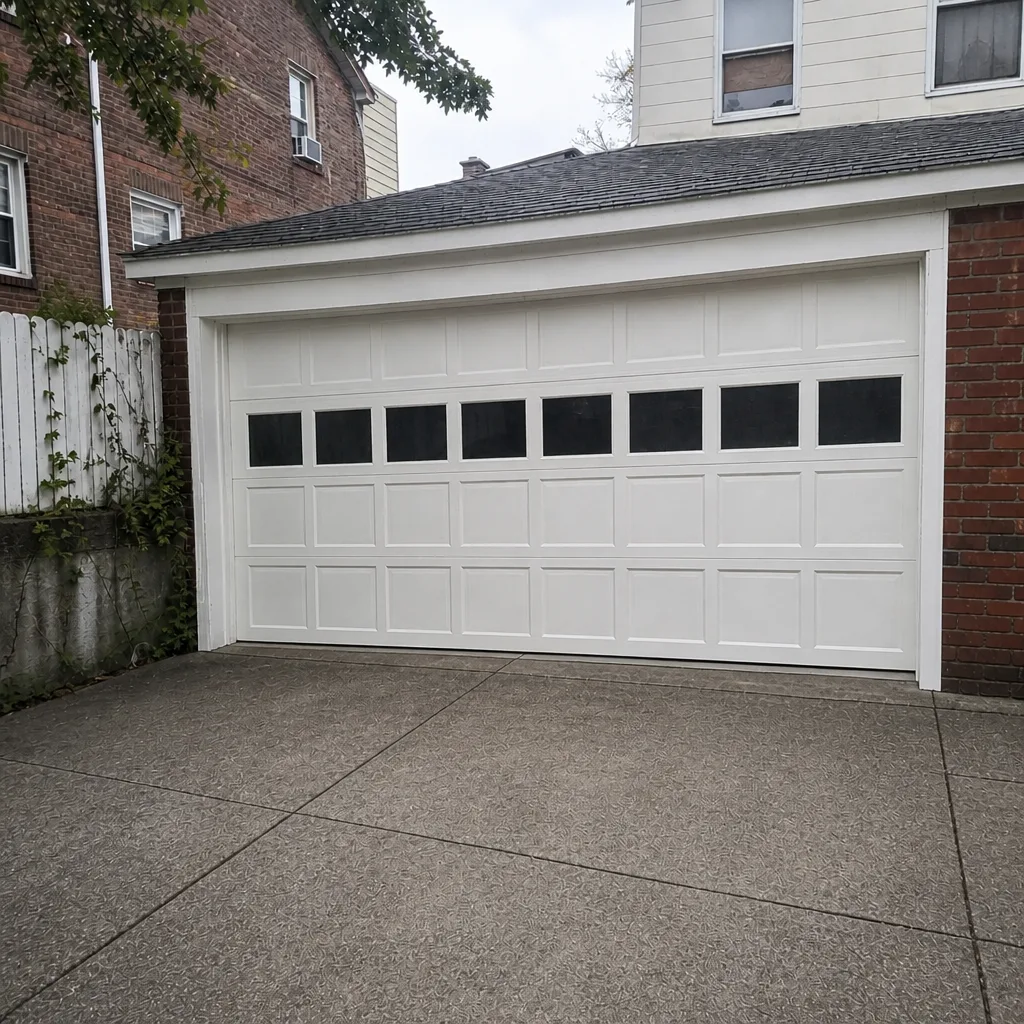 After
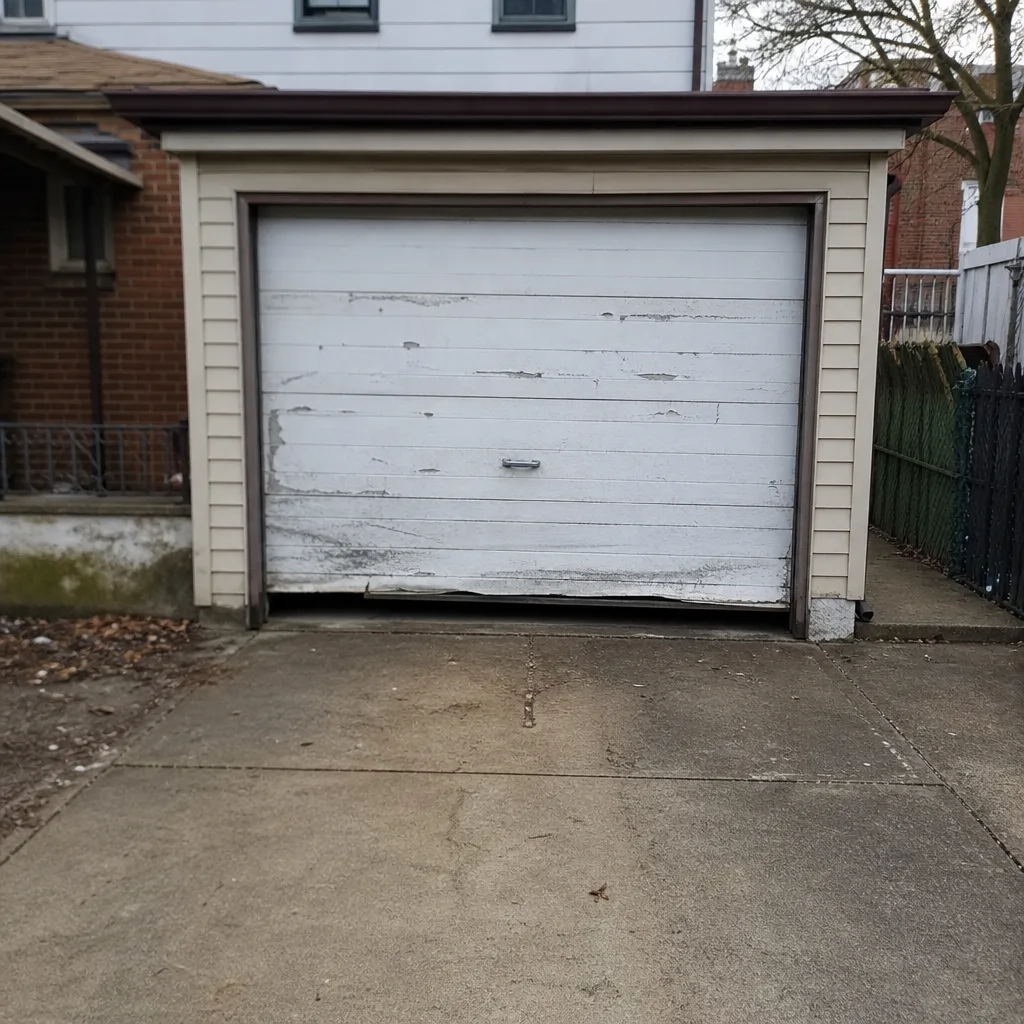 Before
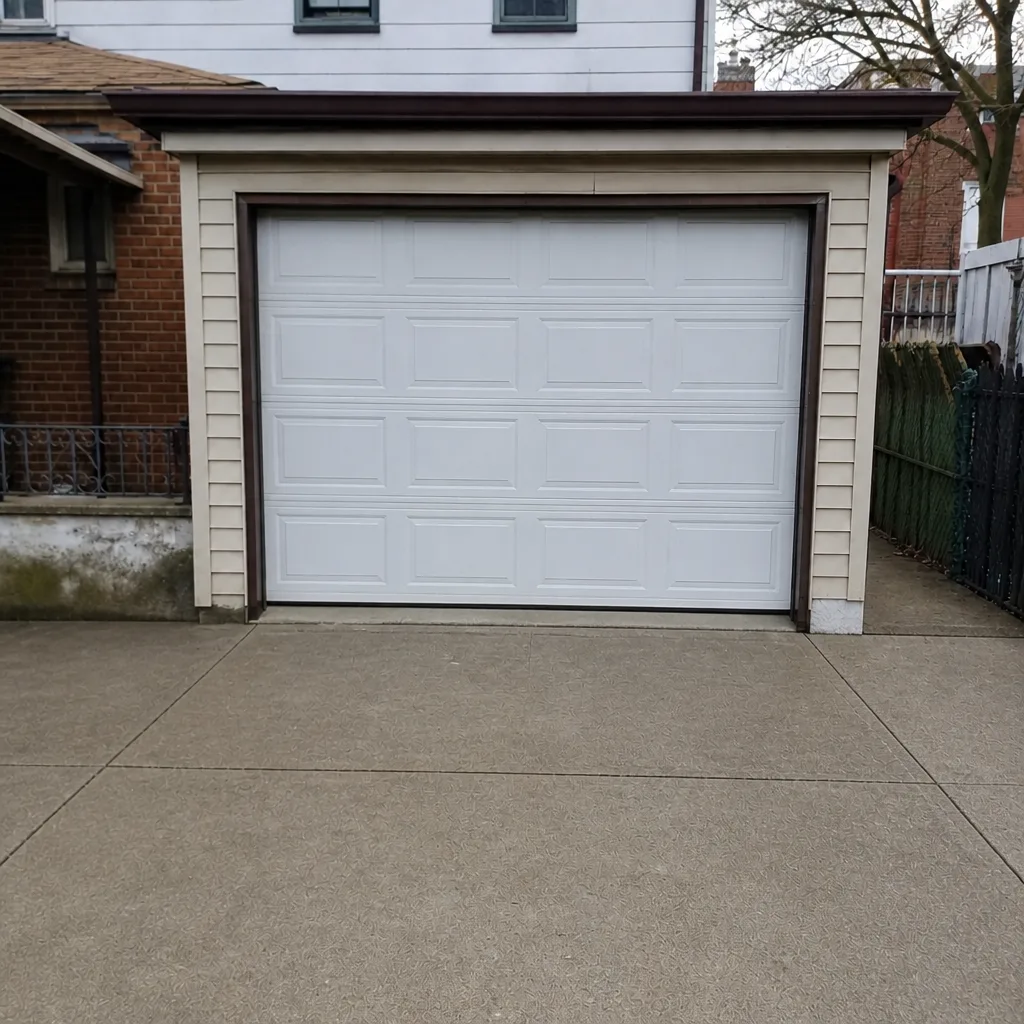 After
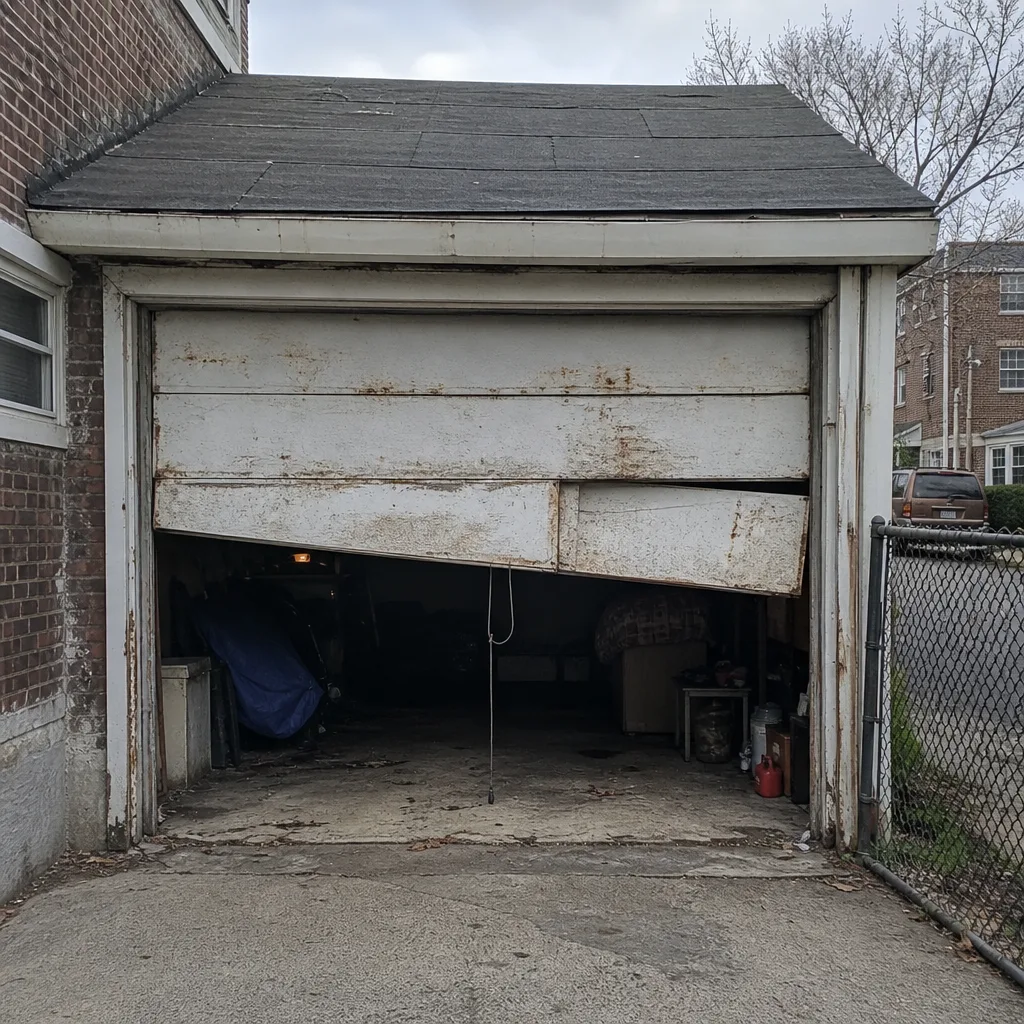 Before
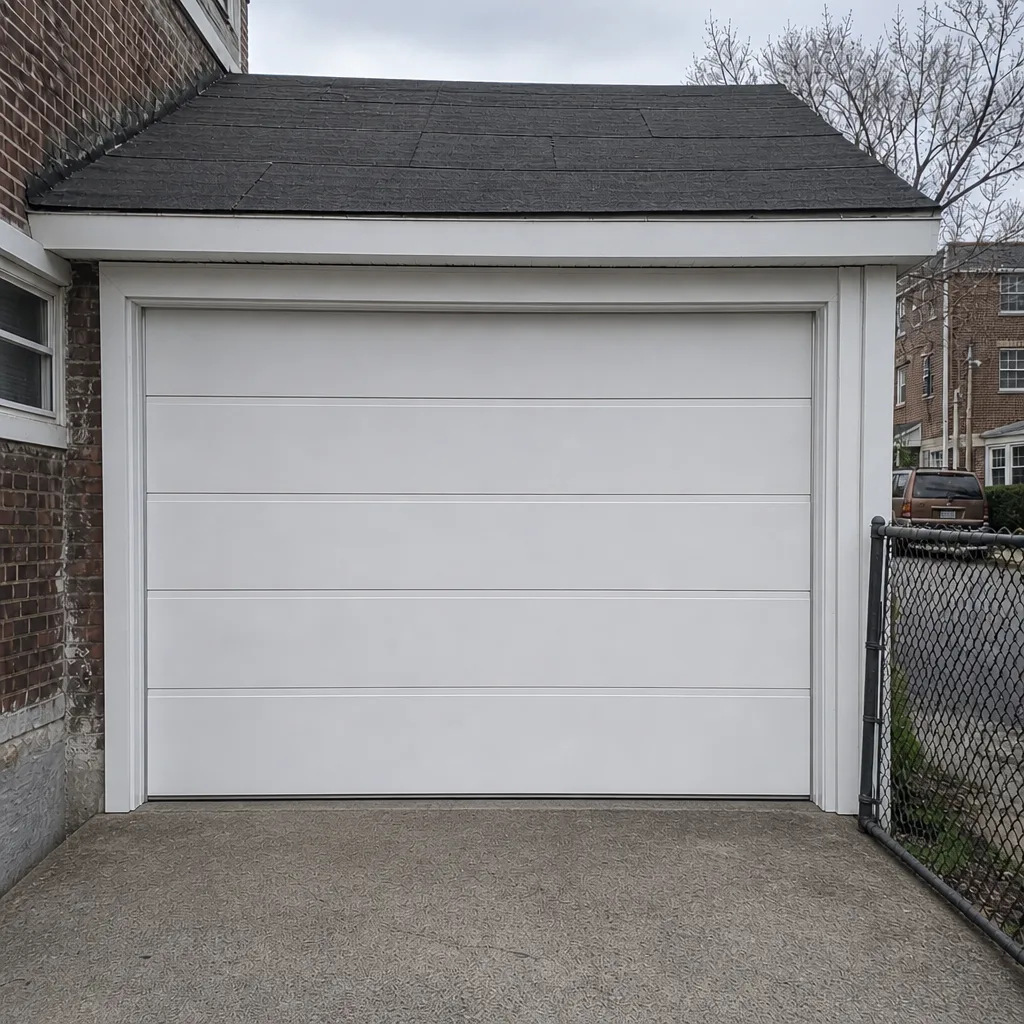 After
When to Call a Professional
You should call a professional any time the door does something you don’t understand, but especially when the cause might be a spring, a track, or a power feed to the opener. Those three parts carry real risk. If the door is stuck open and exposed to the street, call fast. If the spring has snapped, call fast. If the door is off its track, call fast. Less urgent but still worth a call: an opener that reverses on its own, a door that’s noticeably louder than it used to be, and a door whose bottom seal is letting water into the garage. Garage Door Repair Parkchester offers free estimates in Parkchester. Call (866) 966-1056. We answer 24/7. Fast dispatch from 7am to 7pm, Sunday through Friday.
Frequently Asked Questions
Yes. Every major opener, including LiftMaster, Chamberlain, Genie, and Craftsman, has a manual release cord hanging from the rail. Pull it straight down only when the door is fully closed, then lift the door by hand. Pulling the cord when the door is partially open is what causes most off-track doors.
Stop using the opener, unplug it, and leave the door down if it’s already closed. Secure the garage by c-clamping the track or locking the door. Then call (866) 966-1056 for a free estimate. Our technicians handle spring repair as a dedicated service and can tell you over the phone what the visit will involve.
We answer 24/7 and dispatch fast from 7am to 7pm, Sunday through Friday. If your call comes outside dispatch hours, it’s booked into the next opening. Because we’re a specialty company focused only on garage doors, we can often diagnose the problem from the phone so the technician arrives with the right parts.
We work on virtually every major brand. Our technicians are factory-familiar with 8 of the industry’s dominant brands, including LiftMaster, Chamberlain, Genie, Clopay, Amarr, Wayne Dalton, Craftsman, and Raynor. If your door or opener is a less common manufacturer, we’ll tell you upfront whether it’s the right fit before you commit to a visit.
No. The written estimate you agree to before any work starts is the price you pay. We stand behind a satisfaction guarantee on the repair, and we don’t add fees after the fact. If the job turns out to be bigger than the phone diagnosis suggested, we walk you through the adjusted quote before we start work.
Call (866) 966-1056 and tell dispatch exactly where your alley access is. A door stuck open is a security concern, especially on a shared block. We’ll plan the visit around your access situation and can advise on a temporary fix while you wait. We answer 24/7, and a call outside dispatch hours is booked into the next opening, Sunday through Friday, 7am to 7pm.
The Bottom Line
A Parkchester garage door emergency doesn’t have to be a crisis. Keep the manual release cord tagged and easy to find. Know exactly when to pull it (door fully closed, never partway). Have the model numbers for your door and opener written down somewhere in the garage. Keep a spare opener battery handy, and buy a c-clamp sized to your vertical track. When the call comes, tell dispatch what’s happening, what brand you have, and how the alley access works. The written estimate you agree to before work starts is the price; nothing gets added after the fact. One call covers repair, installation, opener work, and emergencies, so you never need a second number if the problem grows. Call (866) 966-1056 for a free estimate. We answer 24/7. Fast dispatch from 7am to 7pm, Sunday through Friday.
Written by the team at Garage Door Repair Parkchester.