
Last updated November 21, 2026
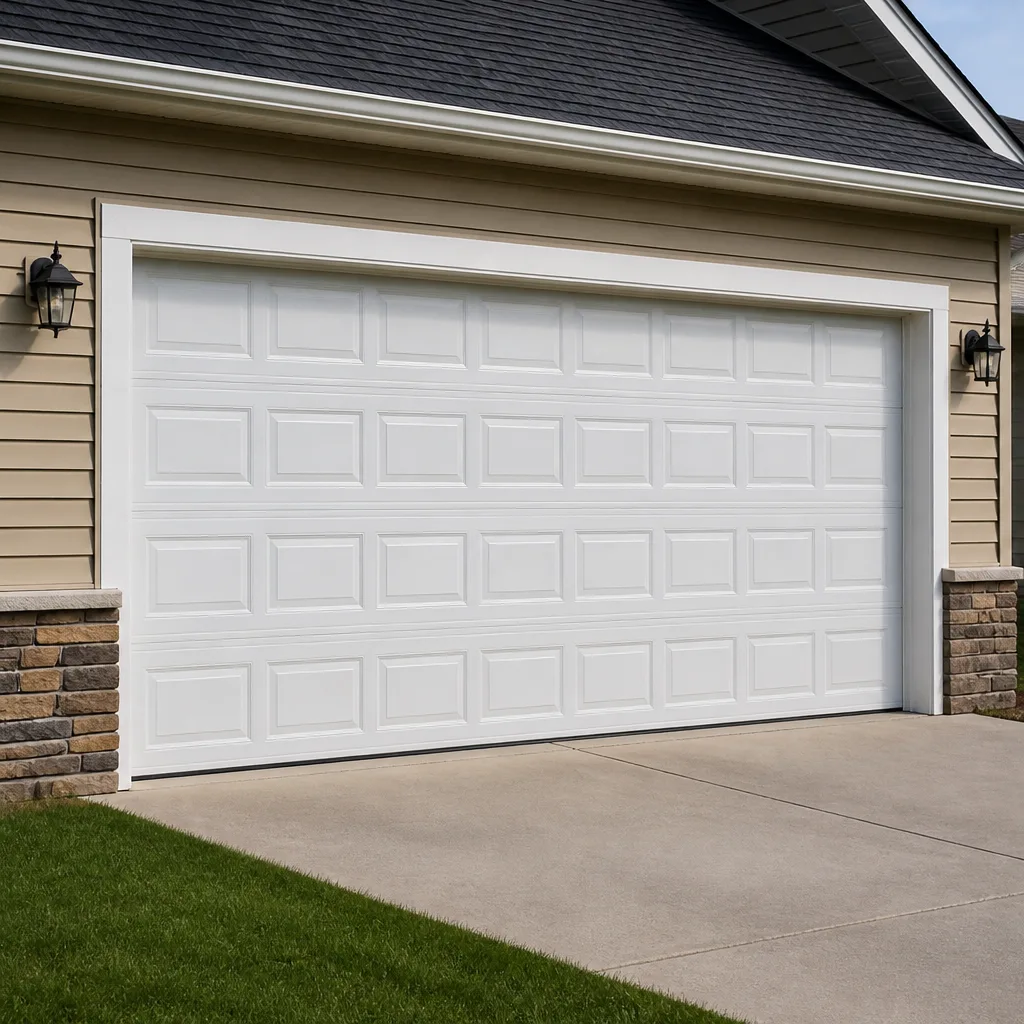 Raised-panel steel
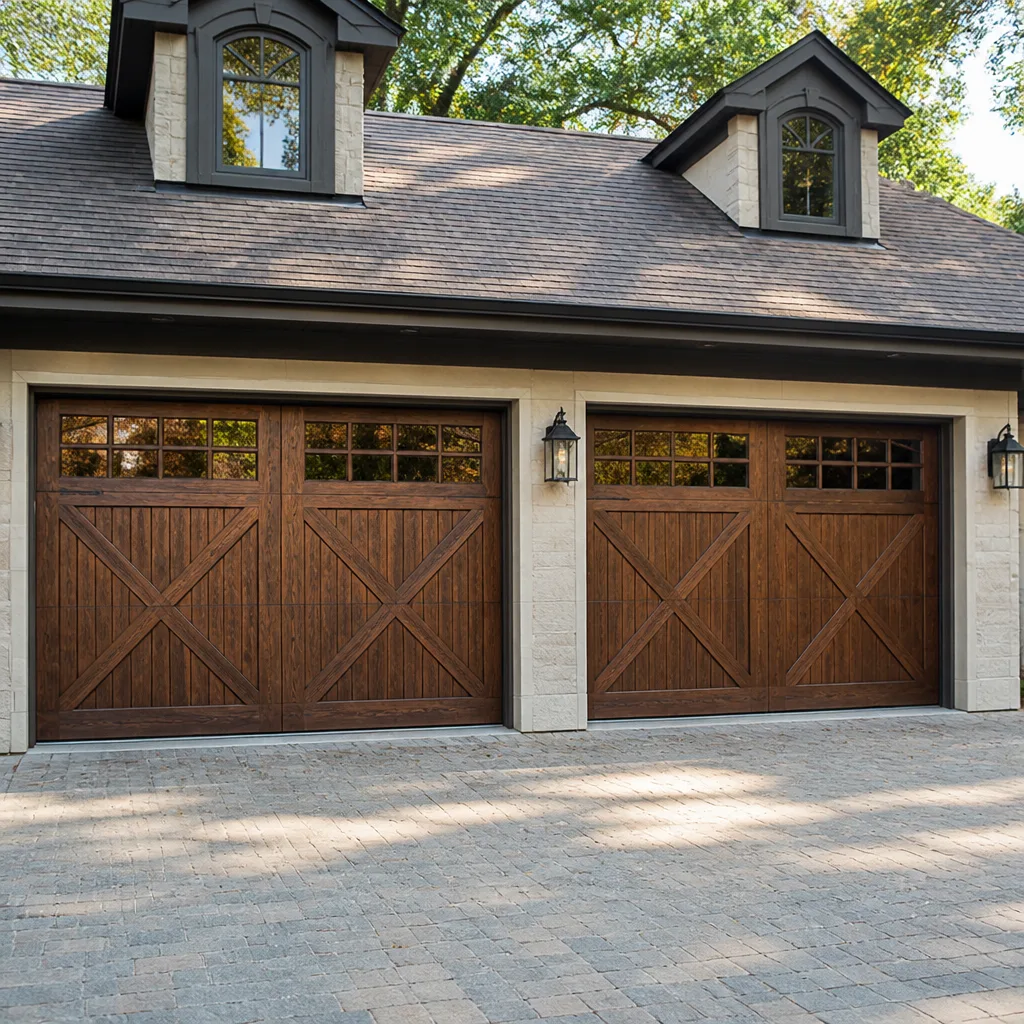 Carriage house
 Modern flush
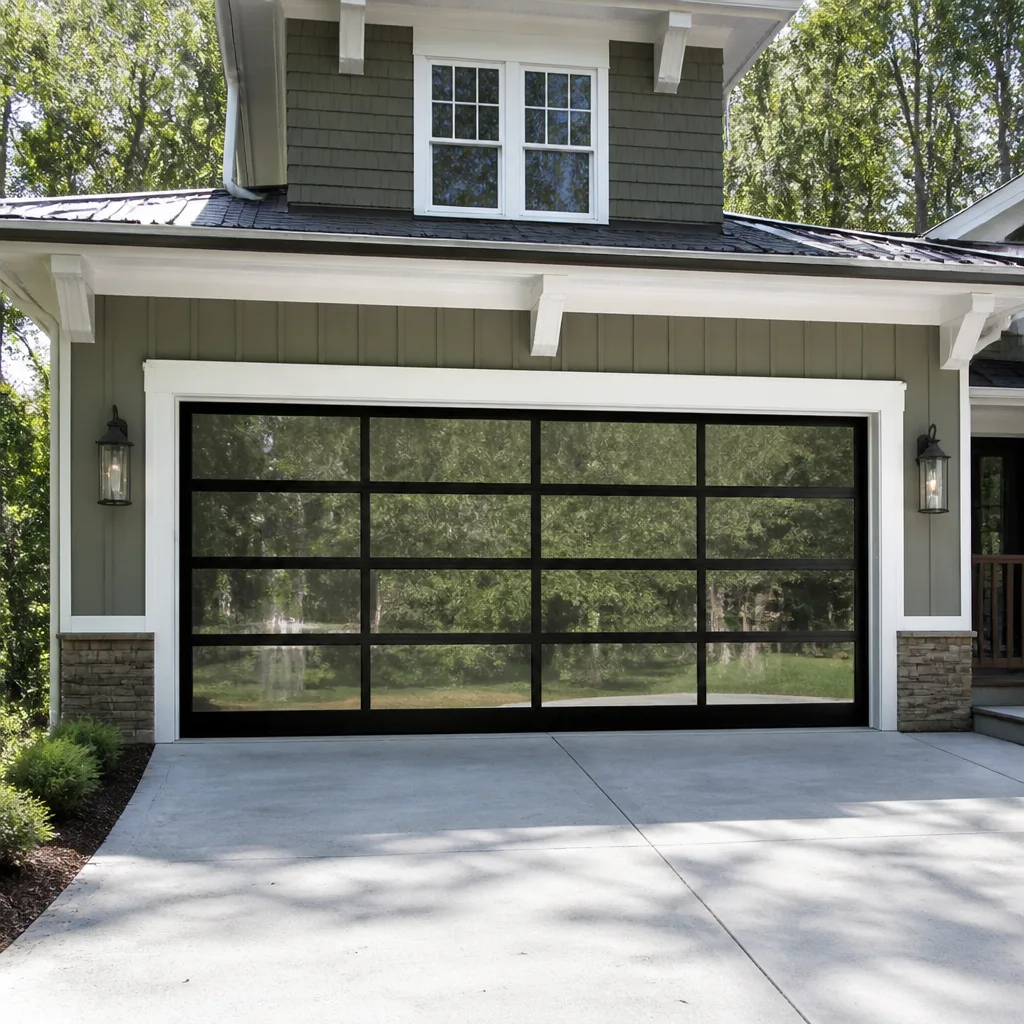 Full-view glass
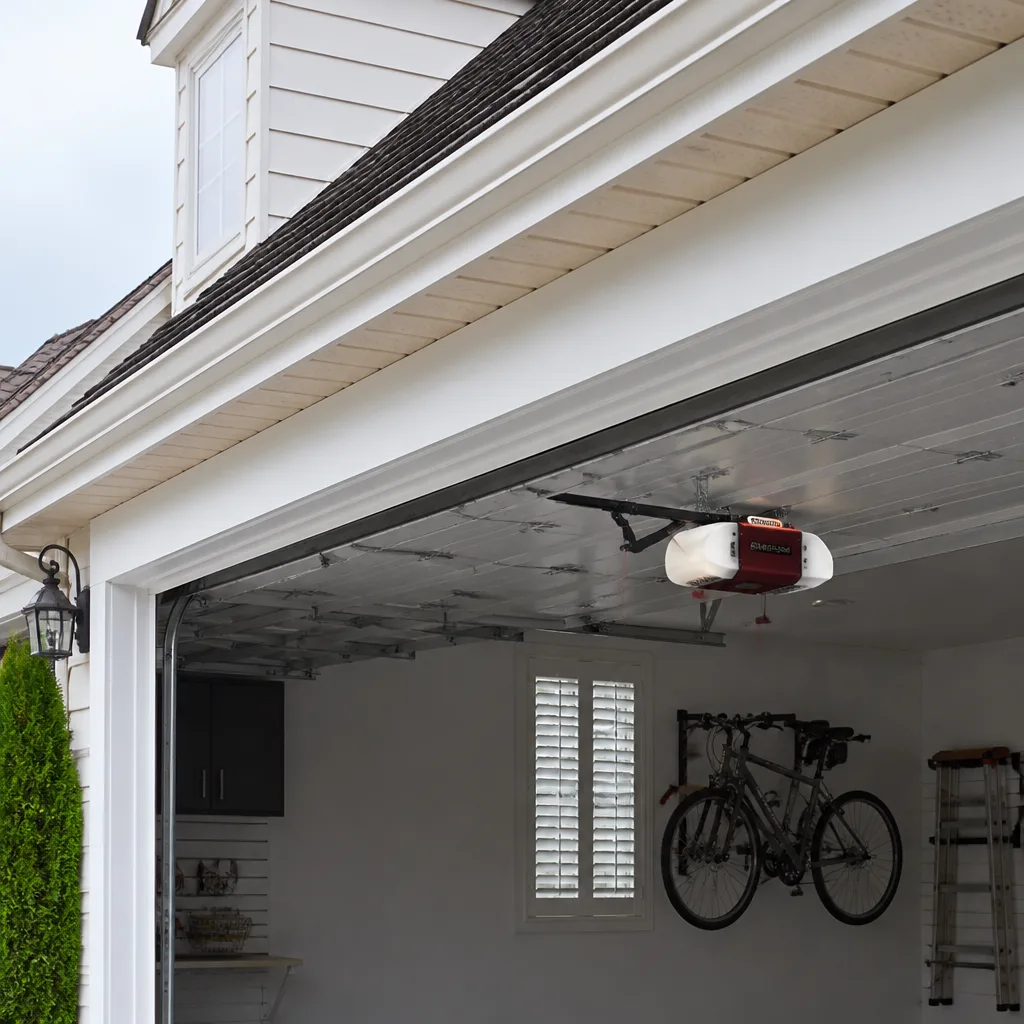 LiftMaster openers
 Chamberlain openers
Full 25-point door and opener safety check with every visit - springs, cables, rollers, tracks, and your LiftMaster or Chamberlain opener included
You get a price before we start. It does not change when the pro arrives.
Get your free estimateDIY vs Professional Garage Door: The Parkchester Homeowner’s Decision Guide
Most garage door advice online treats the DIY question as one big yes-or-no. It isn’t. Some jobs on a garage door are about as safe as swapping a light bulb. Others can break your wrist or worse in a fraction of a second. The dividing line is physics, not confidence. A wound torsion spring stores roughly 100 foot-pounds of torque, and that stored energy doesn’t care whether you watched a tutorial. This guide draws clear lines between what you can safely handle and what should stay in trained hands, how Parkchester’s co-op buildings change the rules, the real cost math behind DIY, and when a paid diagnosis is the smartest money you’ll spend.
Quick Answer
Safe DIY garage door work is limited to maintenance and light adjustments: lubrication, balancing tests, weather seal replacement, visual inspections, and tightening exposed nuts. Anything involving torsion springs, cables, bottom brackets, and high-voltage opener wiring belongs to a trained technician, because those parts hold dangerous stored energy. For Parkchester co-op owners, board rules on structural alterations add another reason to bring in a professional for anything beyond routine upkeep.
Styles & brands we work with
- Raised-panel steel
- Carriage house
- Modern flush
- Full-view glass
- LiftMaster openers
- Chamberlain openers
Table of Contents
- Why Garage Door Physics Changes the DIY Conversation
- Safe DIY Tasks a Parkchester Homeowner Can Handle
- Tasks You Should Never Attempt Yourself
- The Tools You Actually Need (Not the $400 Kit)
- How Parkchester’s Co-op Buildings Affect the DIY Decision
- The Cost Math: When DIY Saves and When It Costs More
- The Middle Ground: A Diagnostic-Only Visit
- Common Mistakes to Avoid
Why Garage Door Physics Changes the DIY Conversation
A standard sectional garage door weighs somewhere between 150 and 300 pounds, and the springs are what make it feel like 10. Torsion springs sit above the door on a steel shaft, and when they’re wound they hold the entire weight of the door in tension. Extension springs, common on older doors, run along the sides and stretch under similar loads. Both store energy that releases instantly if a part fails under your hands.
That’s the part every tutorial skips. A spring under tension doesn’t fail gradually. It snaps. Steel cable whips. A bracket lets go. The force can throw a tool across the garage or pull a hand into the mechanism before you’ve registered what happened. In our experience, the injuries we hear about from homeowners are almost never from heavy lifting. They come from a spring or cable releasing during an adjustment that seemed minor.
Parkchester doors deal with their own stress. The dense multifamily buildings around the Metropolitan Oval and the blocks off Westchester Avenue mean a lot of attached and shared garages where doors sit in constant use, and in humid summer months you’ll see more rust on cables and rollers than you’d find on a door that opens twice a week. Winter cold then makes springs and metal brittle, which is when failures cluster. Understanding that load path is the whole point of this guide: some tasks never touch it, and some exist entirely inside it.
For any repair that goes beyond the safe list below, our garage door repair team handles the full range of residential systems, so you’re not stuck guessing.
Safe DIY Tasks a Parkchester Homeowner Can Handle
There’s a real list of garage door maintenance you can do yourself without touching stored energy. These tasks keep your door quieter, extend the life of its parts, and help you catch problems early. The key is that every one of them works on a door in the closed position or with the spring tension completely untouched.
- Lubrication. Apply a garage-door-specific lubricant to the hinges, rollers, and the spring coils (a light coat only, never grease on the tracks). Twice a year is plenty for most Parkchester doors.
- The balance test. Disconnect the opener, lift the door halfway by hand, and let go. A properly balanced door holds its position. One that drifts down fast or slams shut is out of balance and needs professional spring attention.
- Visual inspection. Look for frayed cables, worn rollers, bent track sections, and gaps in the weather seal. You’re checking, not fixing the dangerous parts.
- Weather seal replacement. The rubber strip along the bottom of the door pops out and slides back in. Replacing a cracked seal is a genuinely easy win against drafts and pests.
- Tightening exposed hardware. Nuts and bolts on the hinges and roller brackets can loosen over time. Snug them with a wrench, but never loosen or adjust anything attached to a cable or spring.
- Cleaning the tracks. Wipe out dust and debris with a damp cloth. Don’t use lubricant in the tracks; it attracts grit that wears the rollers.
- Opener remote and keypad programming. Pairing a new remote or resetting a keypad code is a homeowner task. It’s just a sequence, and it doesn’t touch the mechanism.
That list is the whole safe zone. If a task requires you to wind or unwind spring tension, remove a cable, or reach into the opener’s electrical housing, it’s off the list. For anything on the opener itself, garage door opener repair covers the electrical side safely.
Tasks You Should Never Attempt Yourself
The unsafe tasks share one feature: stored energy or line voltage. There’s no partial version of these. A torsion spring adjustment isn’t “mostly safe if you’re careful.” The winding bars are holding hundreds of pounds of force the entire time.
- Torsion spring replacement or adjustment. This is the single most dangerous job on a garage door. The springs must be wound to a precise number of turns, and even one extra quarter turn can overload the system.
- Cable replacement. Cables run at extreme tension and can cut through a glove (and worse) if they snap while you’re handling them.
- Bottom bracket and drum work. These parts sit directly in the cable’s line of fire. Removing a bottom bracket on a wound door is how serious injuries happen.
- Track realignment after a door comes off its rails. A door that’s jumped the track is unstable and can drop without warning. It’s usually a symptom of a deeper spring or cable problem.
- Opener electrical work. Wiring, capacitor replacement, and board-level repair involve line voltage and charged components. That’s a job for a trained technician, not a homeowner with a screwdriver.
- Replacing a door panel that carries cable tension. Top and bottom sections often hold the cable system together. Swapping a middle panel is different from pulling a structural one.
Our technicians have up to 15 years of experience, and spring work is the repair we treat with the most caution every single time. When your door won’t move because of a spring or cable failure, we will answer the call. Spring repair is dangerous DIY territory, and it’s exactly what we’re here for. If you ever feel unsure whether a task belongs on this list, that’s your answer: call instead of guessing. You can reach us at (866) 966-1056. We answer 24/7. Fast dispatch from 7am to 7pm, Sunday through Friday.
The Tools You Actually Need (Not the $400 Kit)
Search “garage door tools” and you’ll find prepackaged kits running several hundred dollars, most of which hold winding bars and specialty tools for jobs you shouldn’t be doing anyway. A homeowner doing safe maintenance doesn’t need any of it. Here’s the honest short list: a can of garage-door lubricant, a socket set with a few common sizes, a couple of adjustable wrenches, a screwdriver for the seal channel, and a step stool. That’s it, plus a flashlight for inspections.
The things to skip are more important than the things to buy. Skip the winding bars entirely; owning them is a temptation to use them. Skip aftermarket “door straightener” gadgets and spring adjusters that promise to make the dangerous jobs safe. They don’t. Skip anything advertised as a “weight reduction” trick. If your door feels heavy, that’s a balance problem pointing to a spring, not a tool problem.
For Parkchester renters and co-op residents short on storage, the good news is the safe list takes almost no space. A small bin with lubricant, a wrench, and a spare seal strip will cover years of routine upkeep.
How Parkchester’s Co-op Buildings Affect the DIY Decision
Parkchester is one of the largest planned communities of its kind in the country, and a big share of its housing is co-op owned. That ownership structure changes the DIY calculation in ways a single-family homeowner never has to think about. When you own shares in a co-op rather than a freestanding house, the building’s alteration rules and the board’s authority apply to more of what you’d think of as “your” garage door.
Before you book any professional repair or new install, check two things:
- Your proprietary lease and house rules. These spell out what counts as an alteration to the building and whether prior written board approval is required.
- Your managing agent’s maintenance policy. Ask who is responsible for garage door repairs on your particular space. Shared garages and individually assigned spots can fall under different arrangements.
For DIY work specifically, self-repair that alters the door’s structure (replacing panels, changing the opener, modifying tracks) can create liability if a later failure damages the building or a neighbor’s vehicle. Boards generally care less about your twice-a-year lubrication and much more about unauthorized structural changes. Where city code and your co-op rules overlap, ask the city’s building department and your managing agent what applies to your door.
For a full door replacement in a co-op building, garage door installation is always a scheduled project with a measure and a written price, never a same-day job, and we can coordinate around the building paperwork you’ll need. It’s common to confirm board approval before any door is ordered.
The Cost Math: When DIY Saves and When It Costs More
The cost of a repair comes down to one question: does a failed DIY attempt raise the final bill? For maintenance, doing it yourself saves money because labor is small. For spring and cable work, a botched attempt usually costs more than the original repair. Bending a track or twisting a spring can turn one part into a set of parts.
| Task | DIY decision | Why |
|---|---|---|
| Lubrication and inspection | Do it yourself | No stored energy, minimal tools, saves a service visit |
| Weather seal replacement | Do it yourself | Simple slide-in part, no risk |
| Remote or keypad programming | Do it yourself | Sequence only, nothing mechanical |
| Torsion spring replacement (one spring) | Professional | Injury risk and precise winding |
| Matched pair of springs | Professional | Paired springs are replaced together; both must match |
| Cable replacement | Professional | Extreme tension, injury risk |
| Opener electrical repair | Professional | Line voltage and charged components |
| Off-track or damaged-door recovery | Professional | Unstable load, likely a deeper cause |
Get a written estimate before any work starts, and the price you agree to is the price you pay. We quote every job up front, so you’re deciding before anything happens, not reading a surprise invoice afterward. When a homeowner has tried a dangerous repair first, the technician is often fixing both the original problem and the damage the attempt caused. Call (866) 966-1056 for a free estimate if you’re weighing the two options on a specific door.
The Middle Ground: A Diagnostic-Only Visit
Not every homeowner wants to hand over the whole job. Plenty just want to know what’s wrong before deciding. That’s where a diagnostic-only visit earns its place. You pay for a technician’s time to inspect the door and tell you clearly what’s failing, what’s safe to handle, and what needs professional work. Then you decide.
- Book the visit. Tell us you want a diagnosis only, not a repair.
- Get the findings. The technician checks the springs, cables, rollers, track, and opener and explains what’s failing.
- Get the written estimate. You’ll have a line-item price for the professional repair, which is your benchmark for the DIY time-and-risk tradeoff.
- Decide. Take on any safe maintenance items yourself, and schedule the professional work on the dangerous parts.
We’ve found this works well in Parkchester, where a lot of residents share maintenance responsibility and want facts before committing. Our technicians are factory-familiar with major brands like LiftMaster and Craftsman, so the diagnosis is straightforward across most residential systems. Call (866) 966-1056 to set up a diagnostic visit. We answer 24/7, and dispatch runs from 7am to 7pm, Sunday through Friday.
Common Mistakes to Avoid
- Winding a spring “just a little” to fix a heavy door. A door that feels heavy is out of balance, and a partial wind can overload the spring. Let a technician reset the balance properly.
- Ignoring co-op rules before installing or modifying. In a Parkchester co-op, an unauthorized structural change can create liability. Check your house rules first.
- Assuming a snapped cable is the real problem. A snapped cable often follows a spring failure. Fixing the cable without the spring just repeats the failure.
- Buying a full DIY spring kit. The winding bars and specialty tools in those kits are for the exact jobs you shouldn’t be doing. The money is better spent on a professional repair.
- Lubricating the tracks. Grease attracts dust that wears the rollers. Clean the tracks, lubricate the moving parts.
- Treating a door off the track like a simple realignment. A jumped door is unstable and usually signals a spring or cable problem. Don’t force it back by hand.
- Skipping the balance test. It’s free, takes a minute, and it’s the earliest warning you’ll get that a spring is losing tension.
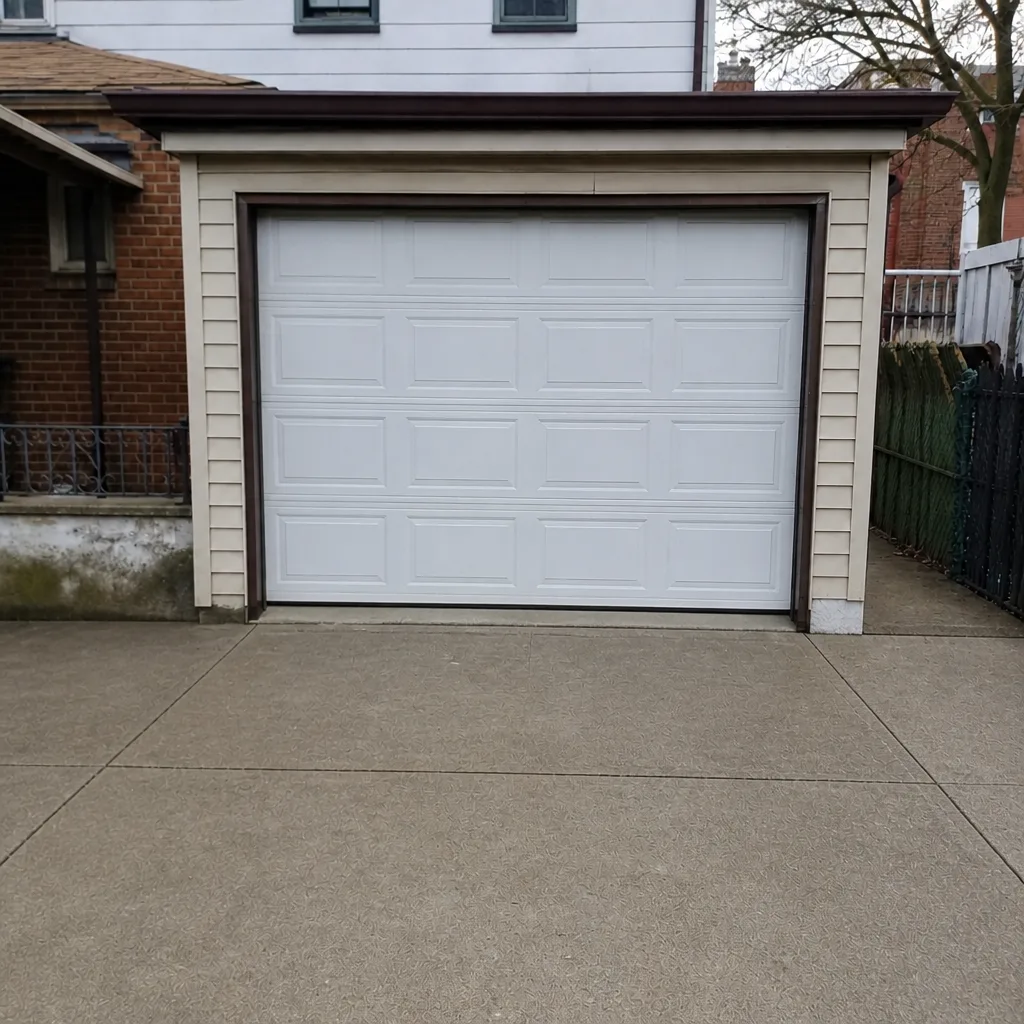
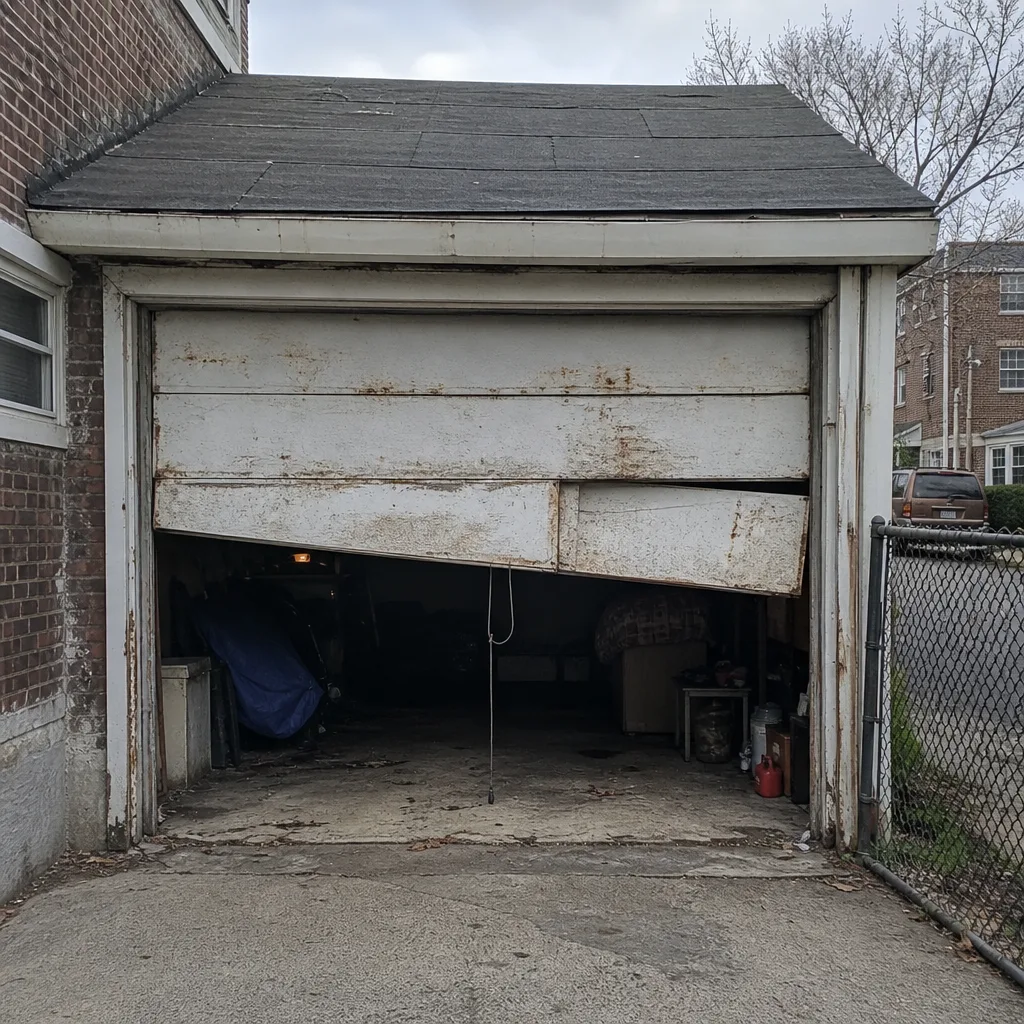
See the difference
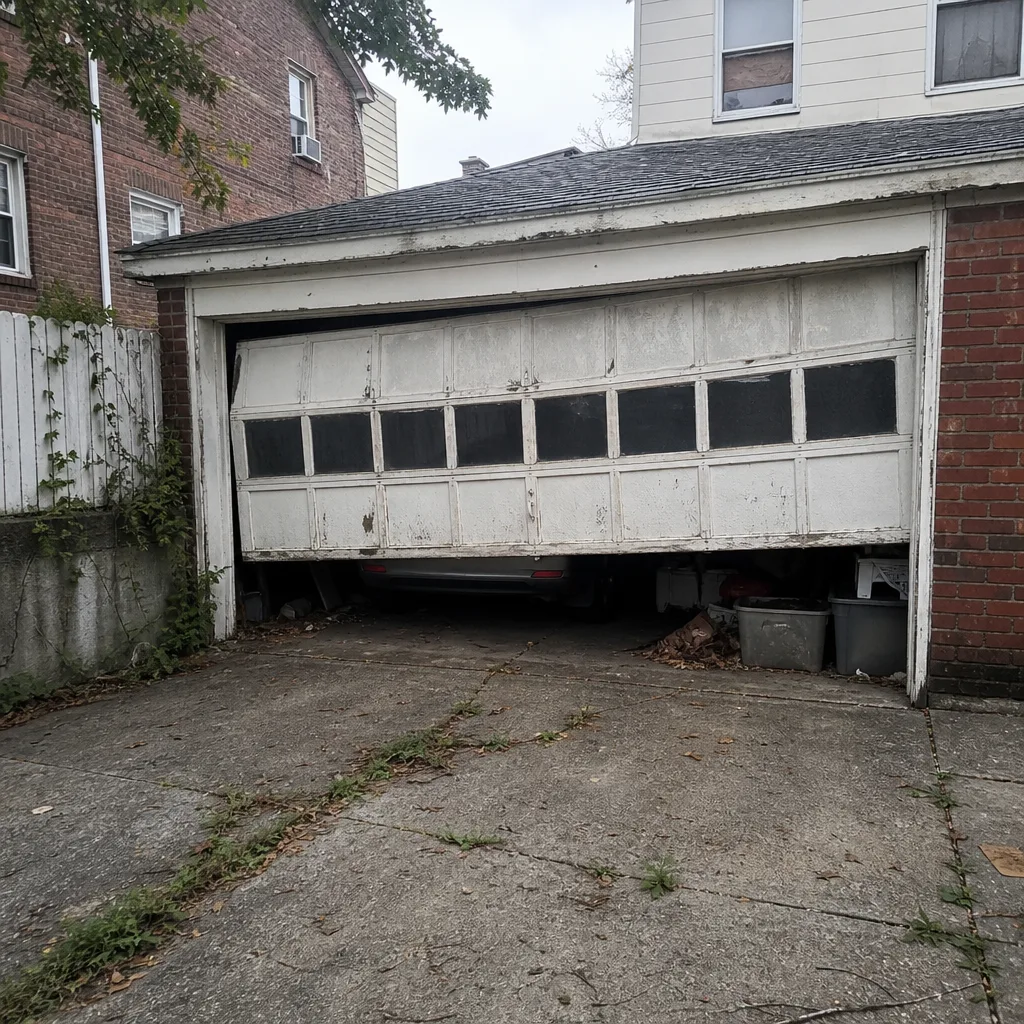 Before
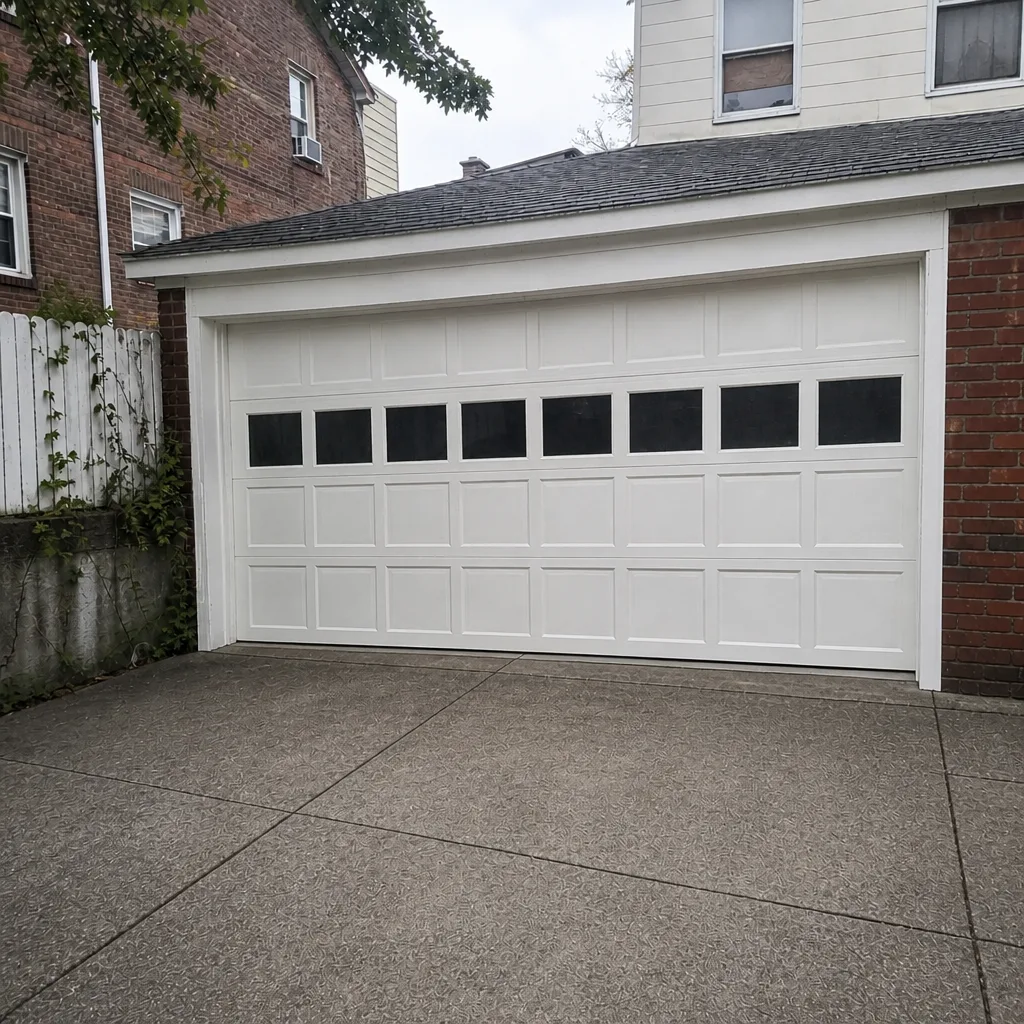 After
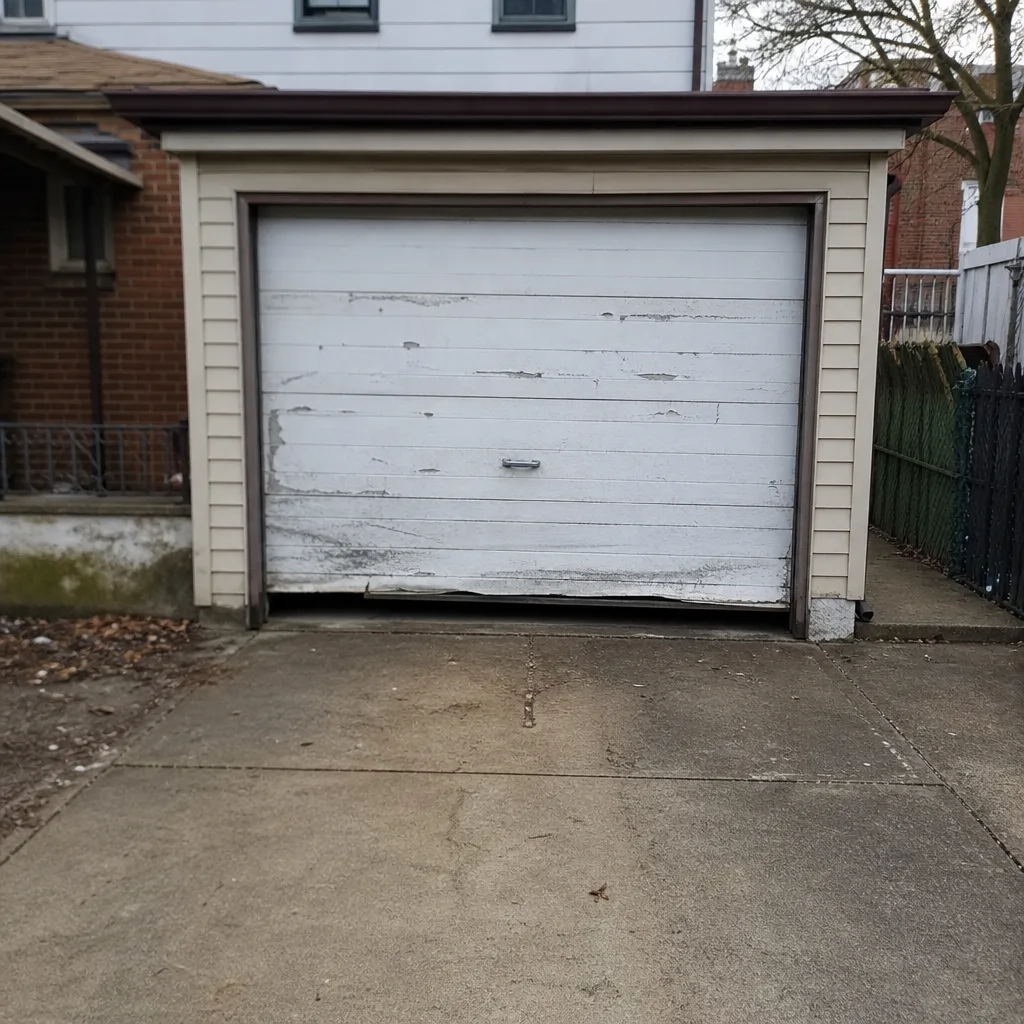 Before
 After
 Before
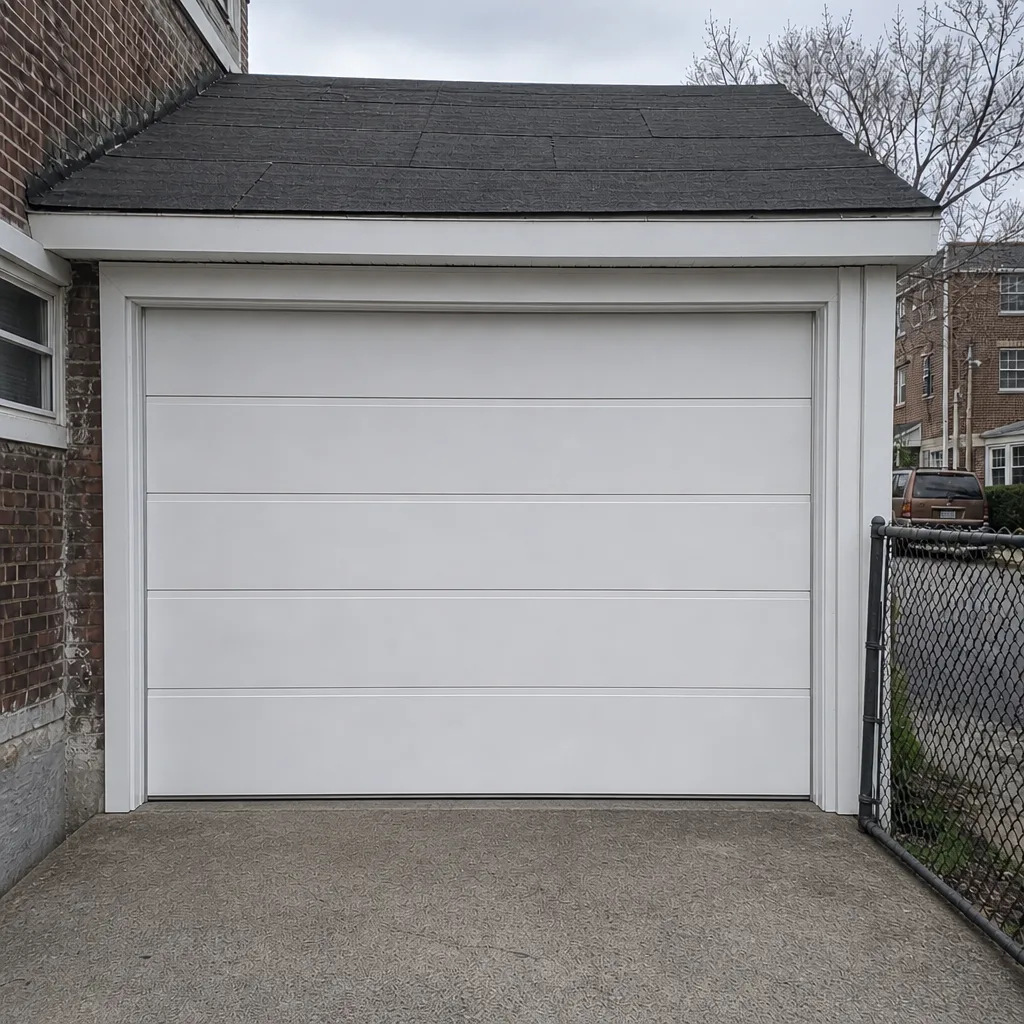 After
When to Call a Professional
Call a professional the moment a task moves into stored-energy or electrical territory. That means any spring, cable, or bottom-bracket work, any off-track door, and any opener that’s dead or behaving erratically. It also means any door that’s too heavy to lift, slams shut, or makes a loud bang when it opens. In Parkchester, add a co-op board requirement or a plan to replace the door itself to that list. Our technicians are factory-familiar with brands like Wayne Dalton and Raynor, so a diagnosis doesn’t stall on an unfamiliar system. Garage Door Repair Parkchester offers free estimates in Parkchester. Call (866) 966-1056. We answer 24/7. Fast dispatch from 7am to 7pm, Sunday through Friday.
Frequently Asked Questions
No. Torsion spring replacement is the most dangerous job on a garage door because the springs hold hundreds of pounds of stored tension and must be wound to a precise turn count. A single mistake can cause serious injury. This is work for a trained technician, and it’s exactly the kind of job our Garage Door Repair Parkchester team handles routinely. Call (866) 966-1056 for a free estimate.
Safe DIY work is limited to maintenance: lubrication, the balance test, visual inspections, weather seal replacement, tightening exposed nuts, cleaning the tracks, and programming remotes or keypads. Anything involving springs, cables, or the opener’s electrical parts is not safe for a homeowner. When you’re unsure whether a task is safe, call (866) 966-1056 and we’ll tell you.
The price is set per job by a written estimate, and we quote it before any work starts. We don’t quote blind ranges over the phone because a single spring and a matched pair are different jobs, and the pair is usually replaced together. Call (866) 966-1056 for a free estimate. Estimates are free, and the price you agree to is the price you pay.
That depends on your proprietary lease and house rules. Routine maintenance is usually fine, but structural changes like panel replacement or a new opener may need board approval first. Ask your managing agent before you start, and ask the city’s building department if code applies. Our team works with co-op residents regularly and can tell you what the work involves.
Yes, same-day service is available for repair and emergency situations. A stuck or off-track door can be a security problem and shouldn’t wait. Call (866) 966-1056. We answer 24/7. Fast dispatch from 7am to 7pm, Sunday through Friday. A call outside dispatch hours is booked into the next opening.
No. The written estimate you agree to is the price. We quote the full job up front, so a technician finding something unexpected doesn’t turn into a bigger invoice. If you’re deciding between a DIY fix and a professional repair, call (866) 966-1056 for a free estimate first.
The Bottom Line
The DIY vs professional question comes down to stored energy. If a repair touches a spring, a cable, or the opener’s wiring, it belongs to a trained technician, and Parkchester co-op rules add a reason to keep those jobs professional. If it’s lubrication, seals, inspections, or tightening hardware, it’s genuinely yours to handle. A diagnostic visit bridges the two: it tells you what’s wrong before you commit. When your door won’t move, we will. Call (866) 966-1056 for a free estimate. We answer 24/7. Fast dispatch from 7am to 7pm, Sunday through Friday.
Written by the team at Garage Door Repair Parkchester.