
Last updated November 21, 2026
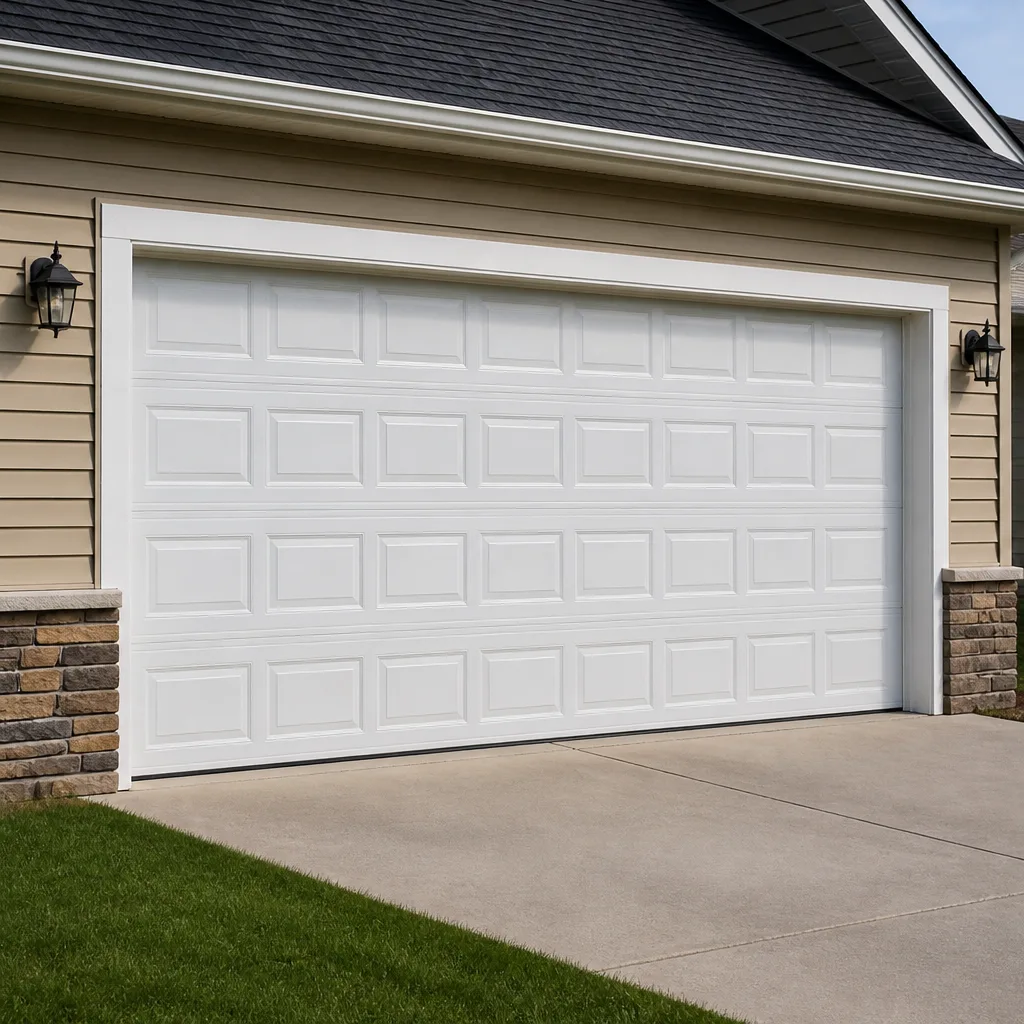 Raised-panel steel
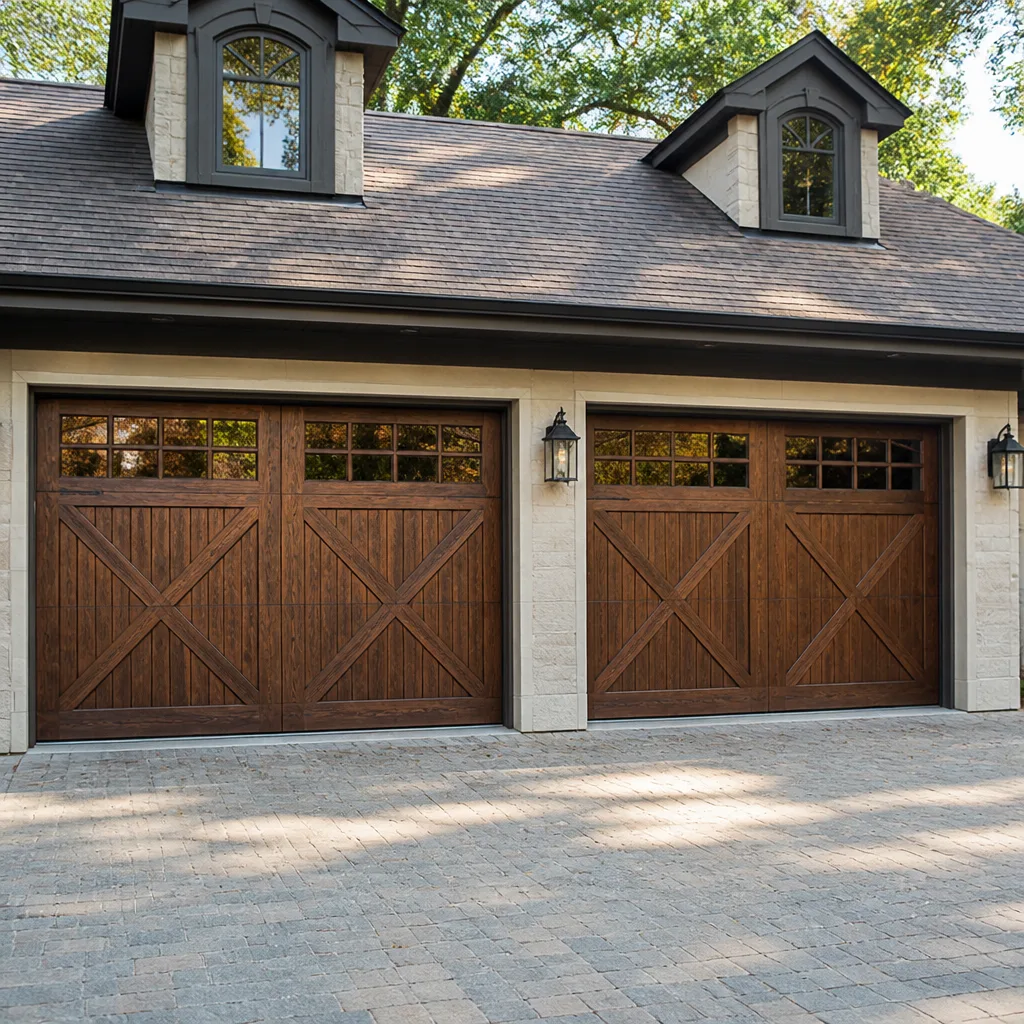 Carriage house
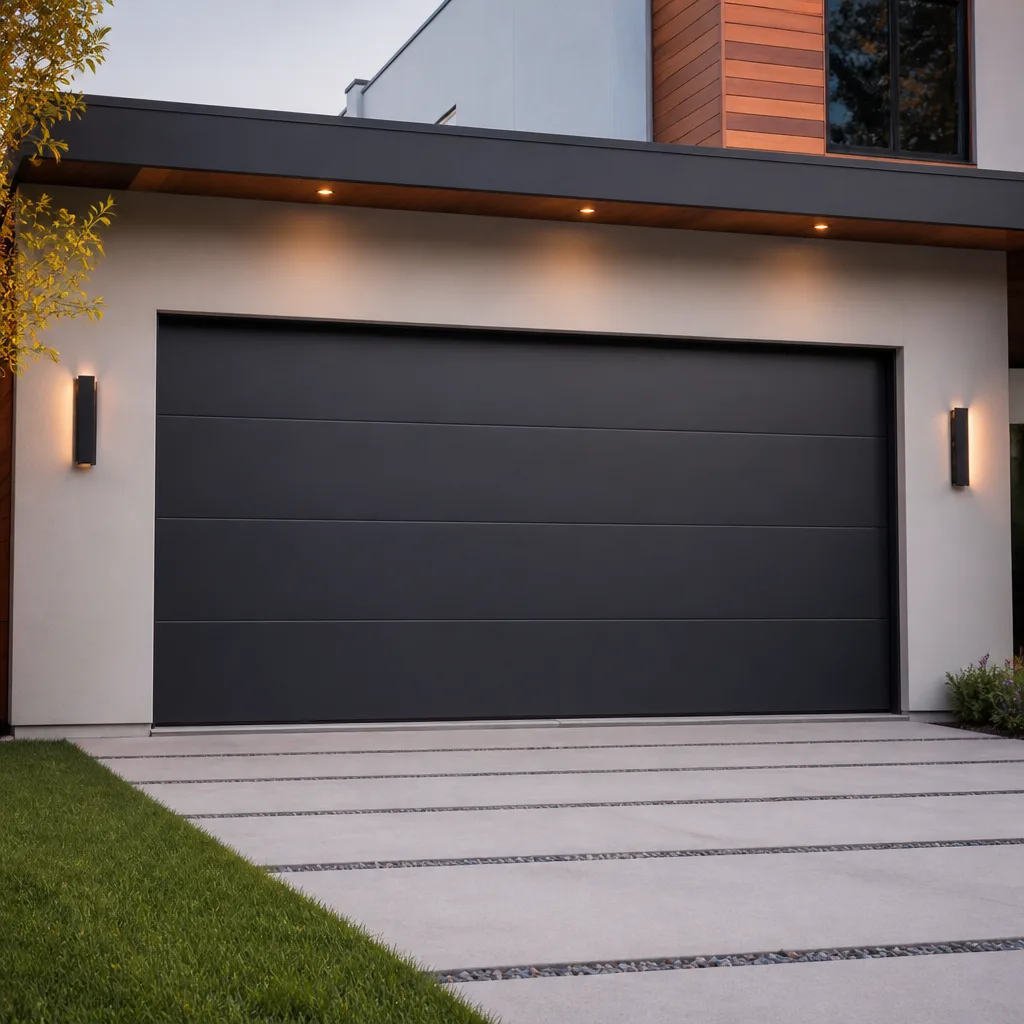 Modern flush
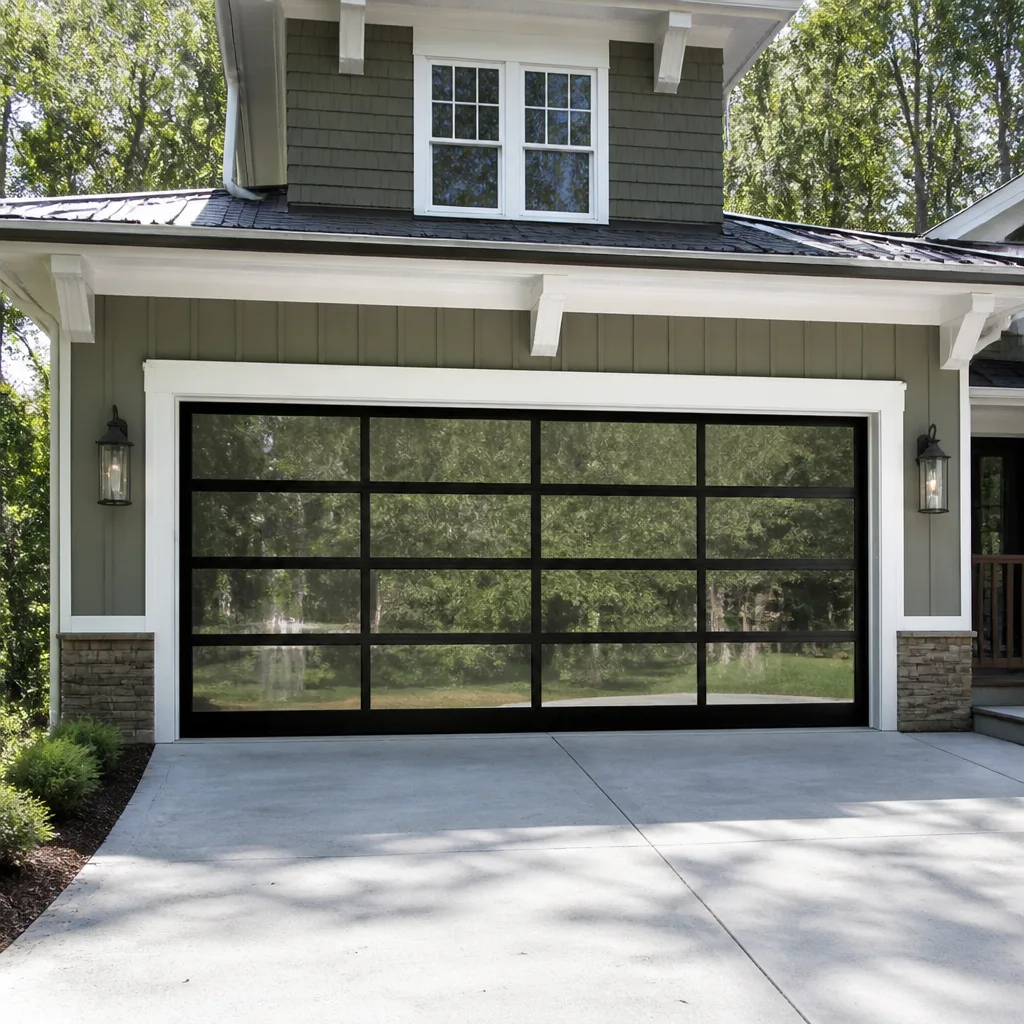 Full-view glass
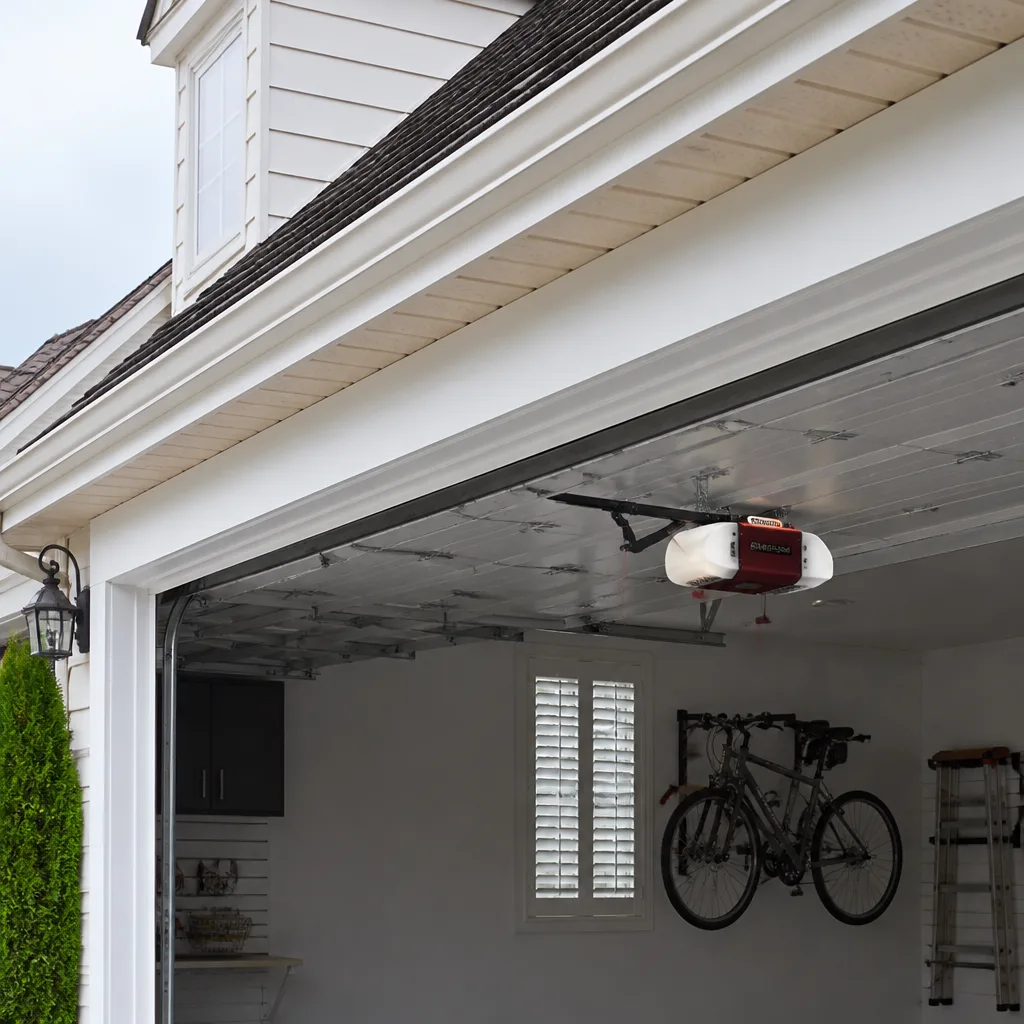 LiftMaster openers
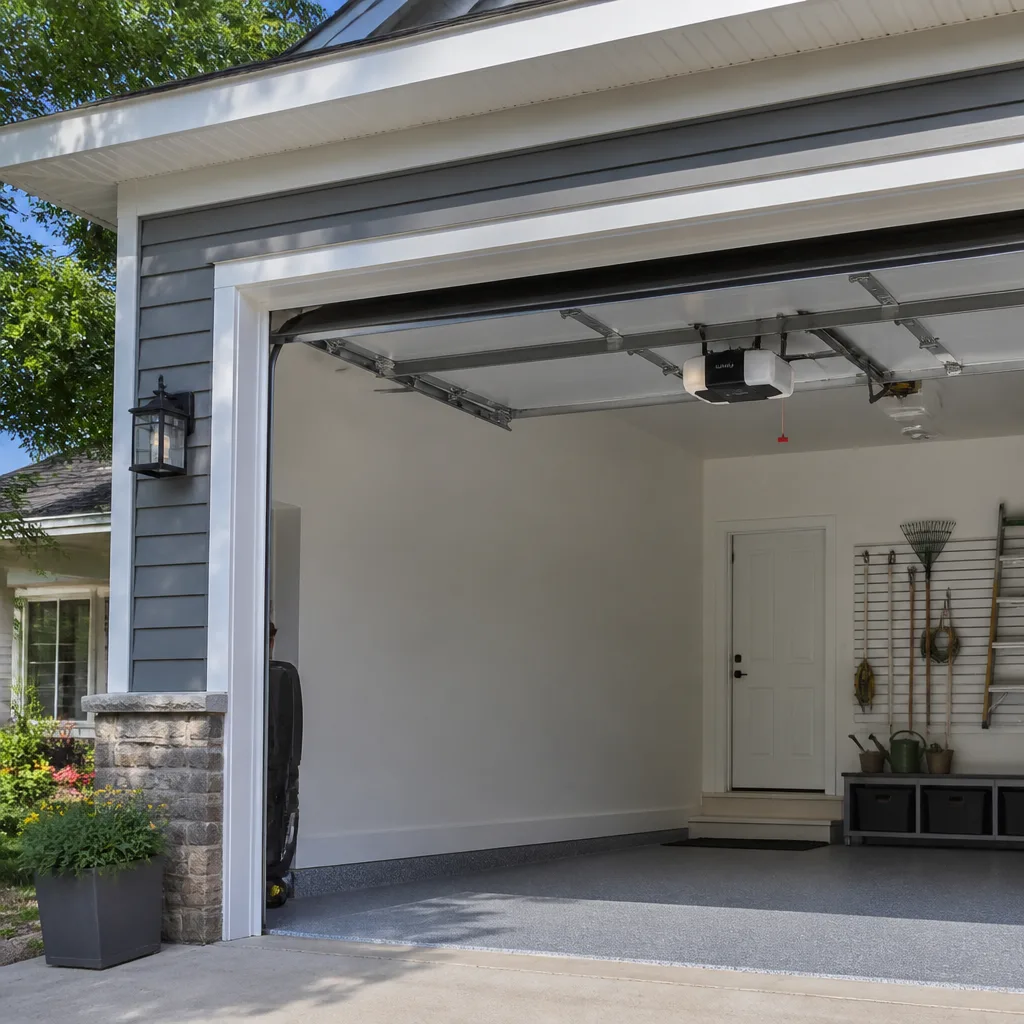 Chamberlain openers
Full 25-point door and opener safety check with every visit - springs, cables, rollers, tracks, and your LiftMaster or Chamberlain opener included
You get a price before we start. It does not change when the pro arrives.
Get your free estimateSeasonal Garage Door Care for Parkchester: Year-Round Homeowner’s Guide
Most seasonal garage door advice you’ll find is the same four checklists with different month names on top. That approach misses how a door in Parkchester actually ages. The Bronx swings from single digits in January to the high 90s in July, and every part of a garage door – springs, cables, hinges, the bottom seal – reacts to temperature in its own way. A spring doesn’t simply “wear out” on a schedule; the temperature it operates in changes how many cycles it survives. In this guide we’ll walk through what actually matters in each season here, what you can check yourself, and the one annual task that should always go to a trained technician.
Styles & brands we work with
- Raised-panel steel
- Carriage house
- Modern flush
- Full-view glass
- LiftMaster openers
- Chamberlain openers
Quick Answer
Seasonal garage door care in Parkchester means doing different work at different times of year, because the cold and the heat stress the door in opposite ways. Fall should focus on preparing springs, cables and the bottom seal for freezing temperatures; spring is about checking for corrosion after a winter of road salt tracked onto the door; summer is when heat changes torsion spring tension and doors can feel oddly balanced. One task – checking and adjusting spring tension – belongs to a professional every time.
Table of Contents
- Why Temperature Matters More Than You’d Think
- Fall Prep: Preventing the Two Most Common Winter Failures
- Winter: What to Do When the Door Freezes Shut
- Spring: The Post-Salt Corrosion Inspection
- Summer: Why Doors Feel Off-Balance in July
- The One Task That’s Always a Professional Call
- A Seasonal Care Calendar You Can Follow
- Common Mistakes to Avoid
- When to Call a Professional
- Frequently Asked Questions
- The Bottom Line
Why Temperature Matters More Than You’d Think
Garage door torsion springs are rated by cycle count – one cycle is one full open-and-close. But that rating assumes a standard operating temperature. When a spring spends a chunk of the year contracting in sub-20°F alley temperatures, the metal behaves differently. The rating you see assumes comfortable conditions; a Bronx winter is not comfortable conditions, and it shortens the effective life of that spring.
This is the part most homeowners never hear. A spring that might reasonably be expected to last around 10,000 cycles at 60°F can fail considerably sooner if it spends three winters cycling cold. The contraction and expansion cycles stress the steel, and cold makes it more brittle. That’s why so many spring breaks in Parkchester happen in the first cold snap of the season – not in the middle of summer when the door is used just as much.
The heat has its own effect. In July, metal expands, and a torsion spring that was set perfectly in April can feel like it’s carrying less or more of the door’s weight. Doors start to feel heavy, or they creep closed before reaching the floor. It’s not always a broken part. Sometimes it’s just physics.
Add to that the local building stock. Much of Parkchester is mid-century housing with attached or detached garages, and many doors here are older than their owners realize. Older doors have less tolerance for temperature swings. We work on virtually every major brand we encounter in the neighborhood, so the diagnosis depends on the specific door, not a generic guess.
What Changes With the Seasons
- Cold: Springs get brittle, bottom seals stiffen and can freeze to the floor, lubricant thickens, and metal contracts.
- Heat: Springs expand and tension shifts, panels can warp slightly, and the door may feel heavy or off-balance.
- Salt season: Road salt tracked onto the door promotes corrosion on cables, hinges, and bottom brackets.
- Spring thaw: Moisture from melting snow and ice seeps into the lower hardware and joints.
Everything below follows from these four realities.
Fall Prep: Preventing the Two Most Common Winter Failures
Fall is the season that earns its keep. A well-prepared door in October is a door that doesn’t strand you in January. Across the Parkchester area, the two failures we see most going into winter are broken springs and a bottom seal that’s frozen itself to the concrete. Both are largely preventable with a few pre-winter tasks.
Prevent the Spring Break
- Listen to the door. A creak or groan that wasn’t there in summer can indicate a spring that’s lost tension or a hinge that needs lubrication. That’s a signal to have things checked, not to force the door.
- Lubricate the moving parts that are safe to reach. Hinges, rollers, and tracks – not the springs themselves – benefit from a proper garage door lubricant. This keeps the door running freely as the cold thickens older grease.
- Have the springs inspected professionally before the first hard freeze. This is the one place we’d always recommend a technician. A spring that’s already near the end of its cycle life going into a cold winter is a strong candidate for failure. Catching that in October is much easier than fixing it in a snowstorm.
Prevent the Frozen Seal
The bottom seal – the rubber strip along the door’s lower edge – is what keeps weather and pests out. In winter, moisture under the door freezes and bonds the seal to the floor. When you lift the door, the seal stretches or tears. A seal that’s already cracked or rigid going into fall should be replaced before winter, and keeping the area under the door clear of standing water and snow helps a great deal.
If fall prep turns into a repair you weren’t expecting, that’s exactly what we handle. If you need garage door repair before winter sets in, a quick inspection now beats a frozen emergency later.
Winter: What to Do When the Door Freezes Shut
Every Parkchester homeowner eventually faces this: you hit the remote, the opener whirs, and the door doesn’t move – or it moves an inch and stops. The door is frozen to the ground. What you do in the next thirty seconds matters, because forcing it can damage the opener’s motor and gearing.
How to Handle a Frozen Door Safely
- Stop pulling. Don’t hold the button and don’t repeatedly cycle the opener. If the opener is straining against a frozen door, you’re putting load on the motor and gears that they weren’t designed for.
- Switch to manual if you can, safely. Most openers have a manual release cord. Engage it only when the door can be supported by hand, and only if you can do so without strain. If the door is heavy or the spring may be compromised, leave it alone.
- Address the ice at the bottom seal. Warm water – not hot, never boiling – poured along the base of the door can free a seal frozen to the floor. A gentle tap with a rubber mallet along the bottom edge can also help break the bond. Never use a metal tool to chip at the seal.
- Clear snow and ice away from the door’s path. A door that closes onto a heap of packed snow will stress the mechanism every time.
- If the door still won’t move, stop. A door that’s jammed in winter can mean a frozen or broken spring, not just a stuck seal. That’s the point to call.
During winter, the phone matters more than anything. When your door won’t move, we will – that’s what our emergency garage door service is for. We answer 24/7, with fast dispatch from 7am to 7pm, Sunday through Friday, and we’re closed Saturday. If something fails on a Saturday, call and we’ll book you into Sunday.
Winter Habit Worth Building
After any snow or ice, clear the area in front of the door. In Parkchester, where garages often sit close to the street or behind a shared driveway, snow gets pushed against doors more than you’d expect. A quick shovel now saves a frozen seal later.
Spring: The Post-Salt Corrosion Inspection
Winter does a second kind of damage that doesn’t show up until things thaw. Road salt gets tracked onto your driveway and splashed onto the door’s lower hardware. Over a season, that salt promotes corrosion on the cables, hinges, and bottom brackets. Spring is when you go looking for it.
What to Inspect After Salt Season
- Cables: Look for fraying, kinks, or a fuzzy appearance. Corrosion weakens strands, and a failing cable is a safety issue, not a nuisance.
- Hinges: Check for rust build-up and stiffness. A rusted hinge binds and forces the door to work harder.
- Bottom brackets: These take the brunt of the salt splash. Look for rust and cracking. Remember that bottom brackets and the springs above them are under tension – visually inspect only, don’t loosen anything.
- Rollers: Metal rollers rust and seize; nylon rollers handle it better. All of them should roll, not slide.
- Tracks: Rust in the tracks creates drag. Wipe them clean and check for pitting.
A simple rinse of the lower hardware with plain water – then drying it – helps remove salt residue. Follow with a proper garage door lubricant on the hinges and rollers. It’s a ten-minute job that adds real life to the hardware.
If the inspection turns up more than surface rust, that’s where we come in. Our technicians have up to 15 years of experience, and we’re familiar with the systems you’ll find across the Bronx, from older Craftsman setups to newer Raynor doors. If you’re noticing more than cosmetic wear, garage door opener repair or a full hardware service may be the right call.
Why This Step Gets Skipped
Most homeowners don’t know to look for salt corrosion at all. By the time it’s visible as a broken cable or a seized roller, the cheap springtime fix has become a repair. A ten-minute inspection in late March or April catches it early.
Summer: Why Doors Feel Off-Balance in July
Here’s a scenario that confuses a lot of Parkchester homeowners: the door worked fine all spring, and now in July it feels heavy, or it drifts back down before it reaches the floor. Nothing snapped. There’s no visible break. The door just feels off.
In most cases, nothing is actually broken. Heat expands the metal, and that includes the torsion spring. The tension that was dialed in during a mild April can shift as temperatures push into the high 90s. The door’s balance – the counterweight that makes it feel light – drifts along with it.
What Heat Actually Does
- Torsion spring tension changes as the metal expands.
- Wood or composite panels can warp slightly, changing how the door sits in its frame.
- Lubricant can thin out, so tracks that were quiet in winter start to squeak.
- Metal tracks can expand just enough to feel “tight” in the afternoon and fine by evening.
If the door feels off in summer, don’t force it and don’t try to adjust the spring yourself. Have it checked. A door that’s genuinely out of balance wears out its opener faster and strains the whole system. It’s a quick thing to correct for a technician, and it keeps the smaller imbalance from becoming an expensive opener failure.
Summer is also the practical season for planning ahead. If you’re thinking about a garage door installation, warm weather is a sensible time to have it measured and scheduled, since that work is planned rather than squeezed into a single repair visit.
The One Task That’s Always a Professional Call
If you take one thing from this guide, make it this: spring tension adjustment is never a do-it-yourself job, in any season. Not in fall when you’re prepping, not in summer when the door feels off. The springs, cables, and bottom brackets on a garage door are under extreme tension. A spring that releases unexpectedly can cause serious injury, and the tools most people have at home aren’t built for this work.
We offer spring repair as a dedicated service because it’s one of the most dangerous and technically demanding jobs on a garage door. That’s not a marketing line; it’s a reason to treat it with respect. When a spring is involved, our advice is always the same: leave it to someone trained for it.
What’s Safe vs. What Isn’t
- Safe: visual inspection, wiping down tracks, lubricating hinges and rollers, replacing a bottom seal, cleaning out debris.
- Not safe: adjusting or replacing springs, loosening bottom brackets, cutting or re-tensioning cables, forcing a stuck door.
If you’re not sure which side of that line a task falls on, that’s usually the answer: call. Spring repair is dangerous DIY territory, and it’s what we’re here for.
A Seasonal Care Calendar You Can Follow
Here’s a year-round calendar that maps the advice above onto the actual seasons. It’s built for Parkchester conditions, so the emphasis shifts where the local climate makes it matter.
Fall (September-November)
- Lubricate hinges, rollers, and tracks.
- Inspect and, if needed, replace a cracked or rigid bottom seal.
- Have springs professionally inspected before freezing temperatures arrive.
- Clear debris from tracks and the area under the door.
- Test the door’s balance by hand – with care, and only where you can support it.
Winter (December-February)
- Keep snow and ice away from the door’s path.
- Never force a frozen door; address ice at the seal gently with warm water.
- Watch for unusual sounds, and treat a door that stops mid-travel as a call for help.
Spring (March-May)
- Rinse and dry the lower hardware to remove salt residue.
- Inspect cables, hinges, and bottom brackets for corrosion.
- Re-lubricate after the rinse.
- Test the door’s operation and note any new heaviness or noise.
Summer (June-August)
- Pay attention to changes in balance as temperatures rise.
- Check for squeaks from thinned lubricant and re-apply as needed.
- Plan any installation or major hardware work for the warm months, when it can be measured and scheduled.
Following this calendar keeps the door in good shape and, more importantly, catches small issues before they turn into emergency calls.
Common Mistakes to Avoid
- Treating all four seasons the same. Spraying the same lubricant and calling it “maintenance” ignores that winter needs seal and spring attention and summer needs balance attention. The checklist has to change.
- Forcing a frozen door with the opener. Holding the button while the door strains against a frozen seal is one of the fastest ways to damage an opener motor. Stop and address the ice instead.
- Ignoring salt corrosion in spring. In the Bronx, road salt is a real factor on the lower hardware, and it doesn’t announce itself. Inspect cables and hinges every spring, or they’ll fail quietly.
- Adjusting a torsion spring yourself. This is the mistake with the worst consequences. Springs and cables are under extreme tension and belong to a trained technician, every season.
- Skipping the fall spring inspection. A spring near the end of its life going into a cold winter is a spring that’s likely to break. A pre-winter check is the single most useful thing you can do for your door.
- Misreading summer “off-balance” as a broken part. Heat alone can shift tension. Don’t assume the worst – but don’t ignore it either. Have it checked before it strains the opener.
- Letting a small issue wait for “a better time.” A minor noise in October is a much easier fix than a broken spring in January. Seasonal care is mostly about catching things early.
When to Call a Professional
Some situations call for a technician rather than a homeowner’s toolkit. If your door won’t open or close, if you hear a loud bang from the torsion spring, if the door is off its tracks, if a cable looks frayed, or if the opener strains or reverses on its own, stop using it and call. The same goes for any point where the door feels heavier than it should or sits crooked in the frame. Those are signs the spring or cable system needs a trained eye. Our team at Garage Door Repair Parkchester works on virtually every major brand, and we handle repair, installation, opener service, and emergencies in Parkchester. One call covers it. Garage Door Repair Parkchester offers free estimates in Parkchester – call (866) 966-1056. We answer 24/7. Fast dispatch from 7am to 7pm, Sunday through Friday.
Frequently Asked Questions
Twice a year is the practical minimum – once in fall before freezing weather and once in spring after salt season. Summer and winter then need lighter checks focused on heat and ice. That schedule covers the conditions that actually stress a door in the Bronx.
Cold makes steel more brittle, and the contraction and expansion of temperature swings shortens a spring’s effective cycle life. A spring that would last around 10,000 cycles at 60°F may fail sooner if it spends several winters cycling in sub-20°F temperatures. That’s why the first hard freeze is a common time for breaks.
You can safely address ice at the bottom seal with warm water and clear snow from the door’s path. What you shouldn’t do is force a stuck door with the opener or try to free a door that seems jammed by a spring. If it won’t move after the ice is cleared, call. Call (866) 966-1056 for an exact quote – estimates are free.
Heat expands the torsion spring and shifts its tension, which can make the door feel off-balance even when nothing is broken. It’s worth having it checked rather than forcing it, because an imbalance strains the opener over time.
We work on virtually every major brand, including Craftsman, Raynor, LiftMaster, and Chamberlain. Our technicians have up to 15 years of experience across these systems, so diagnosis doesn’t depend on guesswork.
For many repairs, yes – same-day service is available. Emergency service is a core part of what we do. Call (866) 966-1056. We answer 24/7. Fast dispatch from 7am to 7pm, Sunday through Friday. A call outside dispatch hours is booked into the next opening.
The estimate is free, and the written estimate sets the price before any work starts. You’ll know what you’re paying for before we begin, so there’s no surprise on the invoice. Call for a free estimate and we’ll walk you through it.
No. Springs, cables, and bottom brackets are under extreme tension, and an unexpected release can cause serious injury. Spring repair is dangerous DIY territory and should always go to a trained technician. Call (866) 966-1056 for an exact quote – estimates are free.
The Bottom Line
Seasonal garage door care in Parkchester isn’t four identical checklists – it’s a set of priorities that shift because the Bronx temperature range stresses the door differently at each extreme. Fall is about preventing winter spring breaks and frozen seals. Winter is about handling ice without damaging the opener. Spring is the post-salt corrosion inspection. Summer is when heat shifts spring tension and the door can feel off. And through all four seasons, spring tension adjustment belongs to a professional. Get those pieces right and you’ll deal with fewer emergencies and get more years out of the door. When you need a hand, one call covers it – repair, installation, opener, emergency. Call (866) 966-1056 for a free estimate. We answer 24/7. Fast dispatch from 7am to 7pm, Sunday through Friday.
Written by the team at Garage Door Repair Parkchester.
See the difference
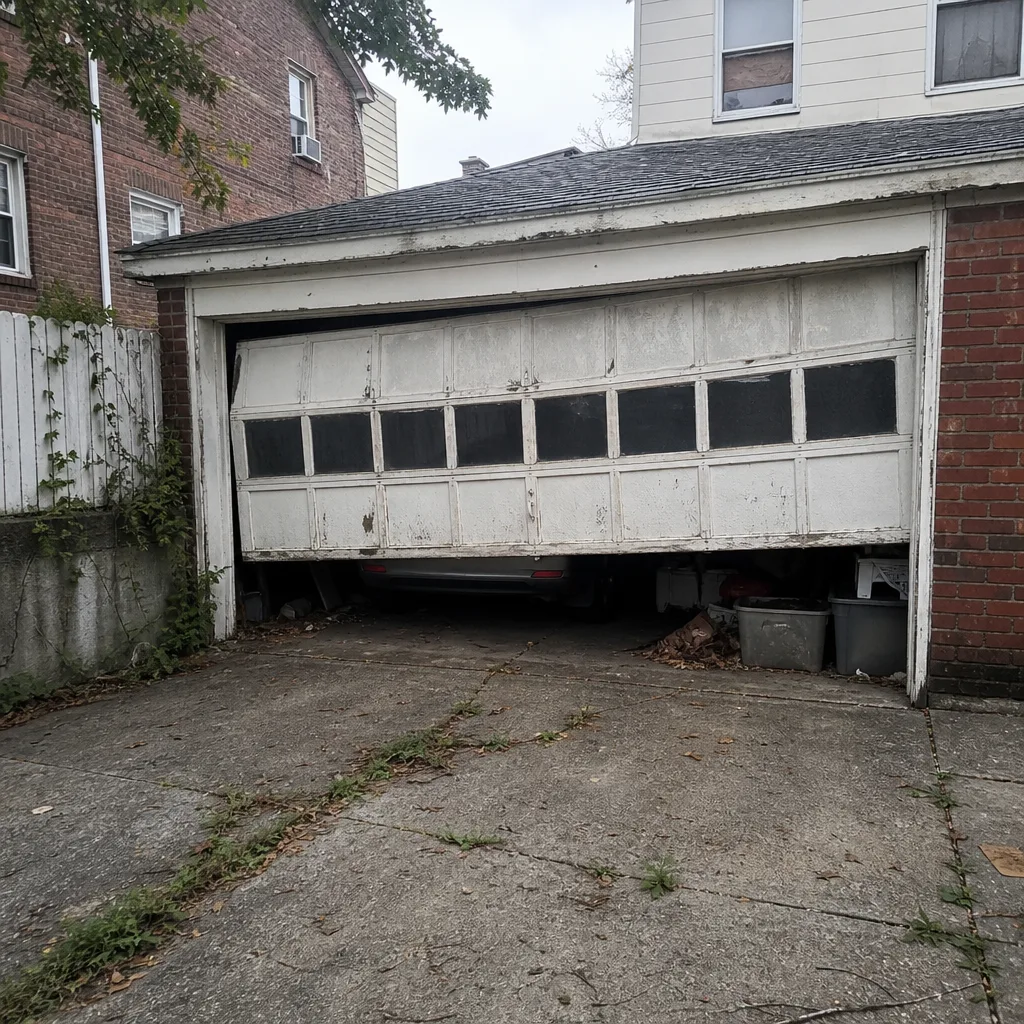 Before
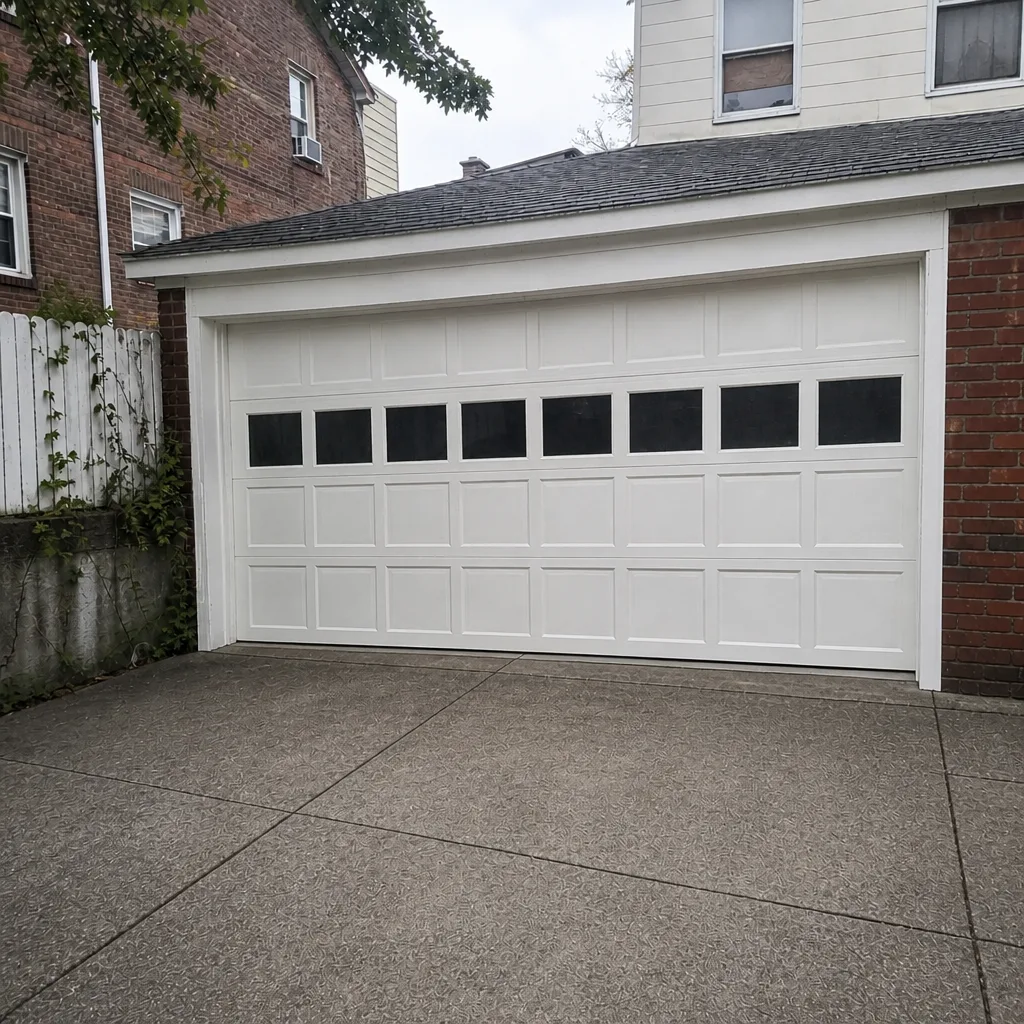 After
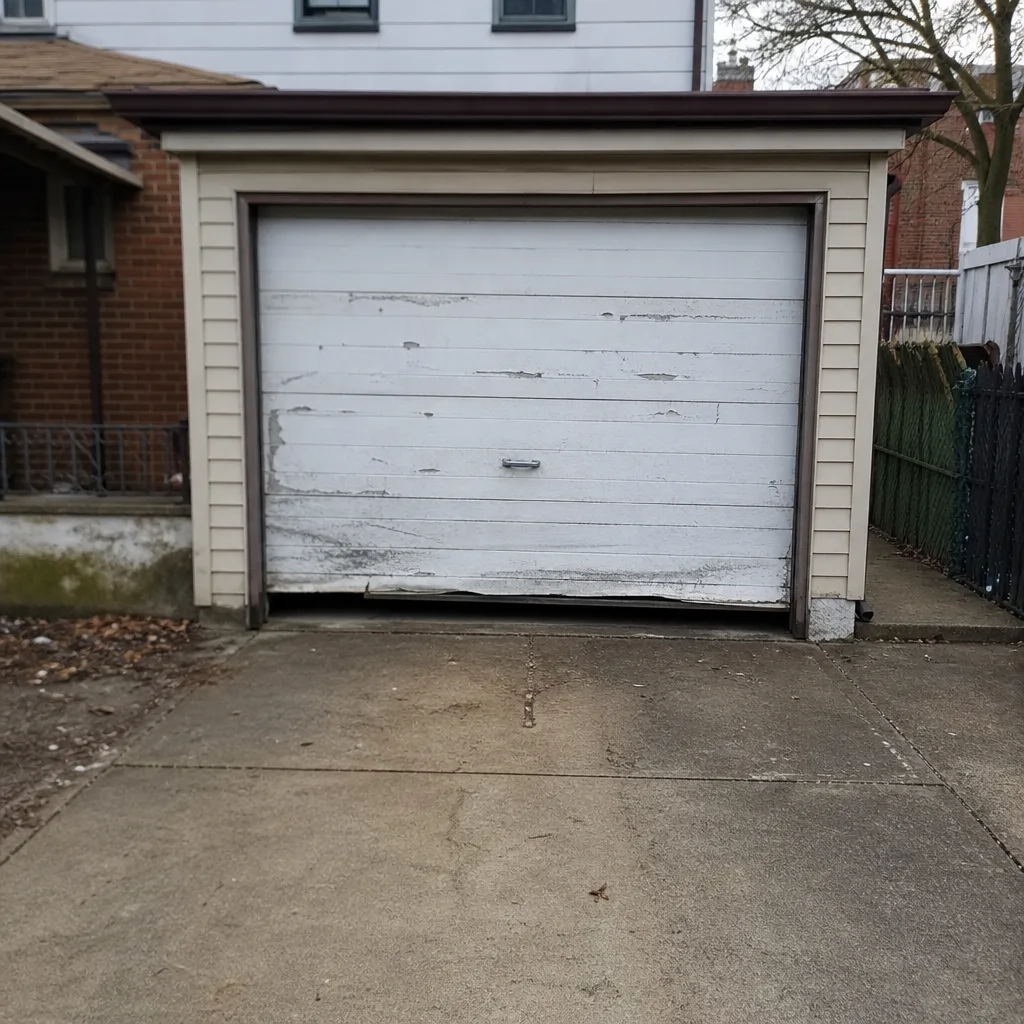 Before
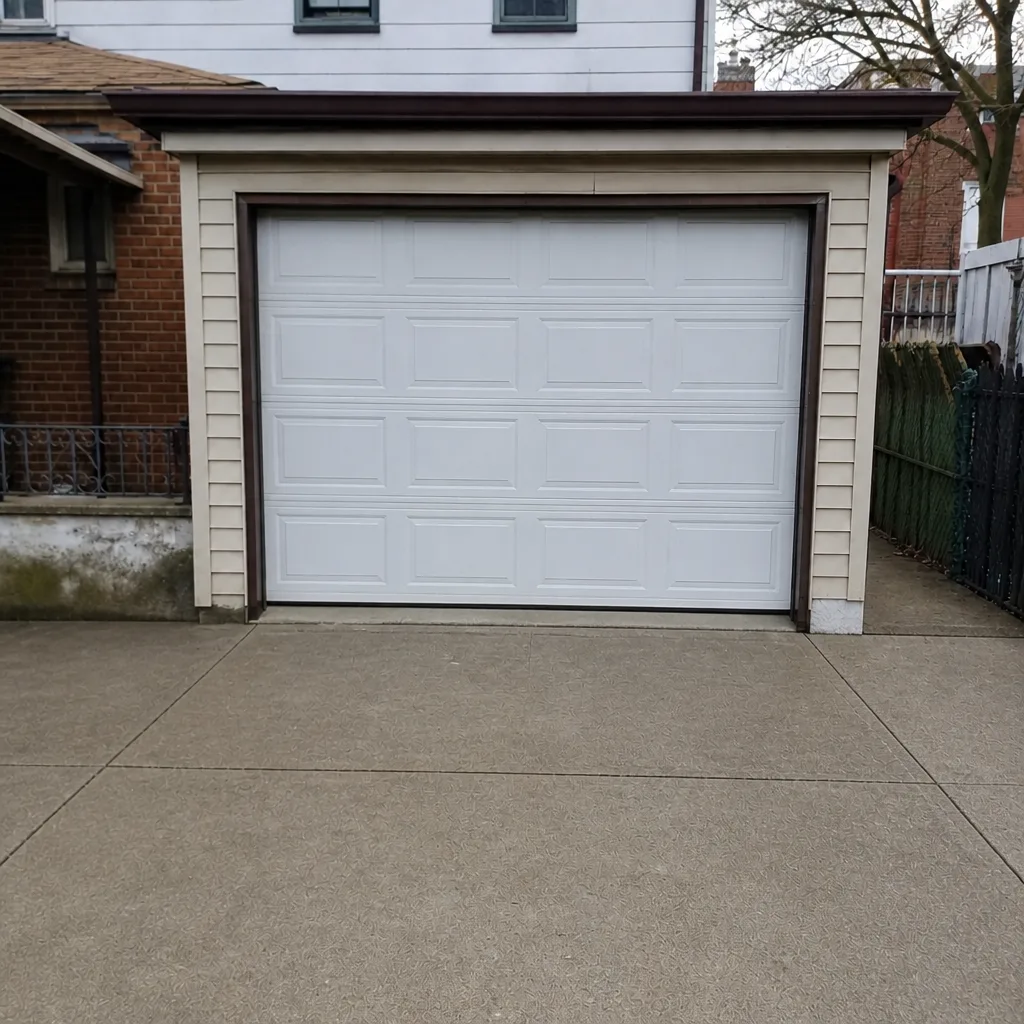 After
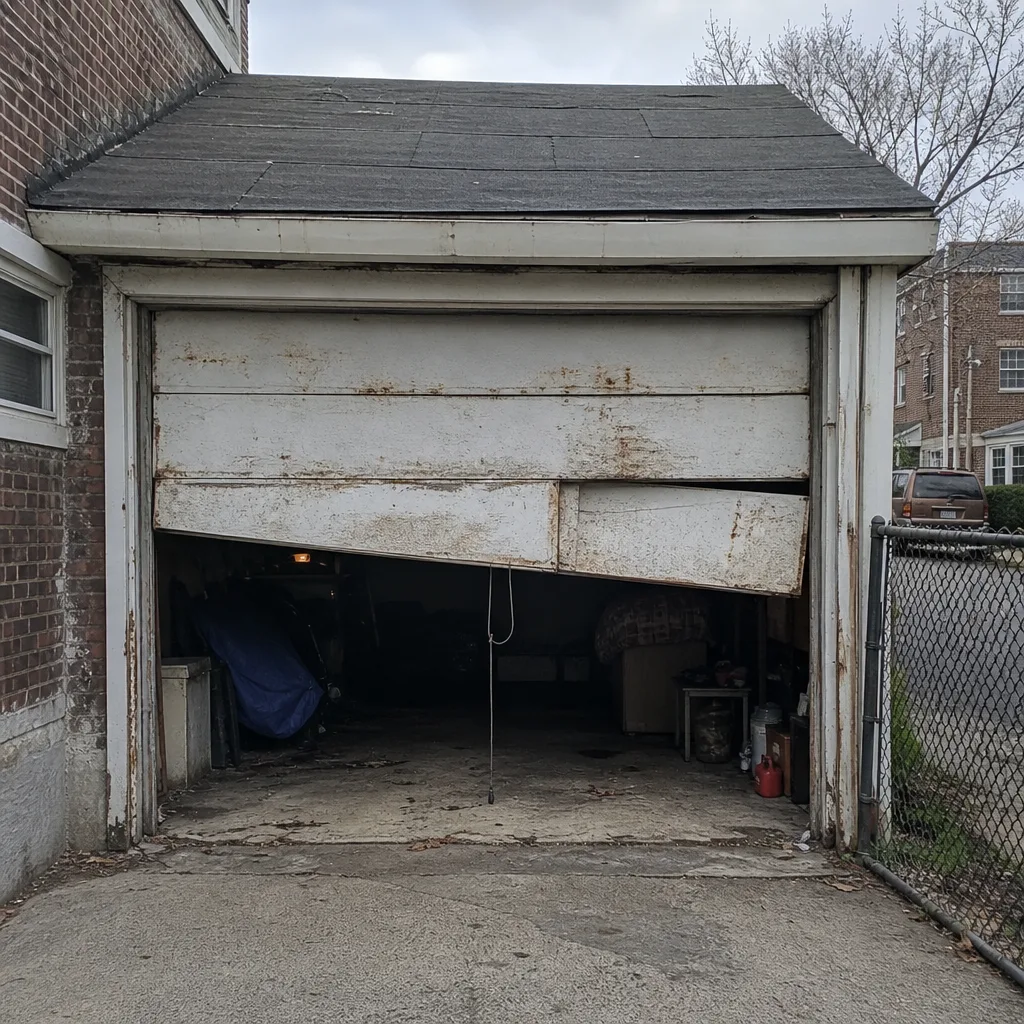 Before
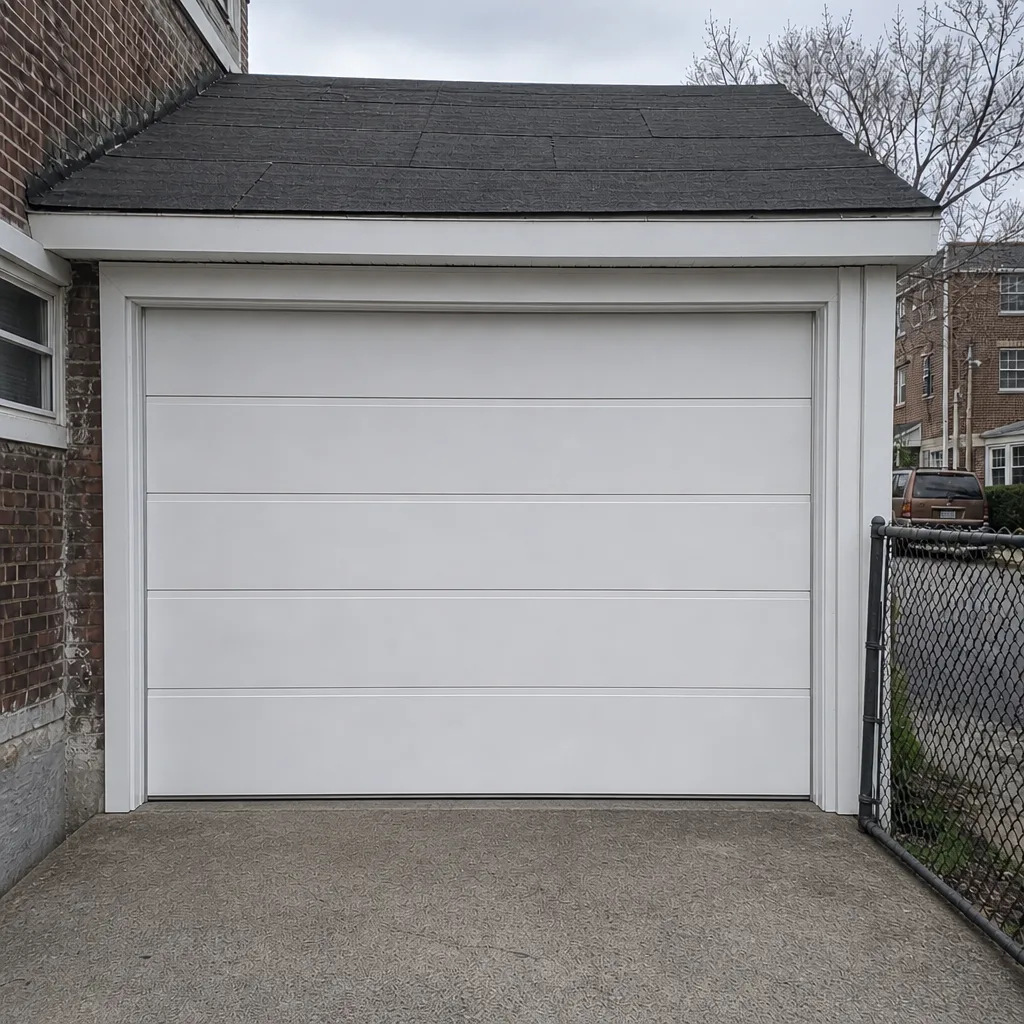 After