
Last updated November 21, 2026
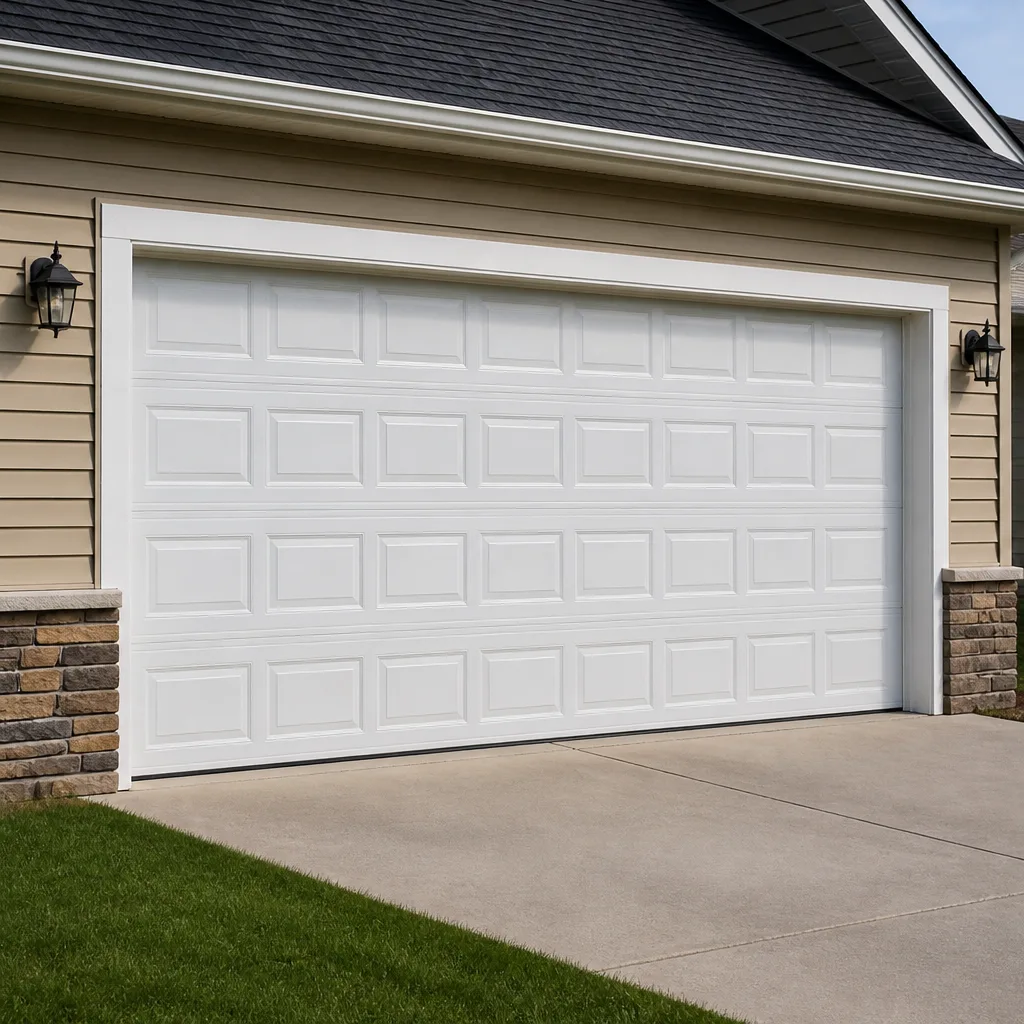 Raised-panel steel
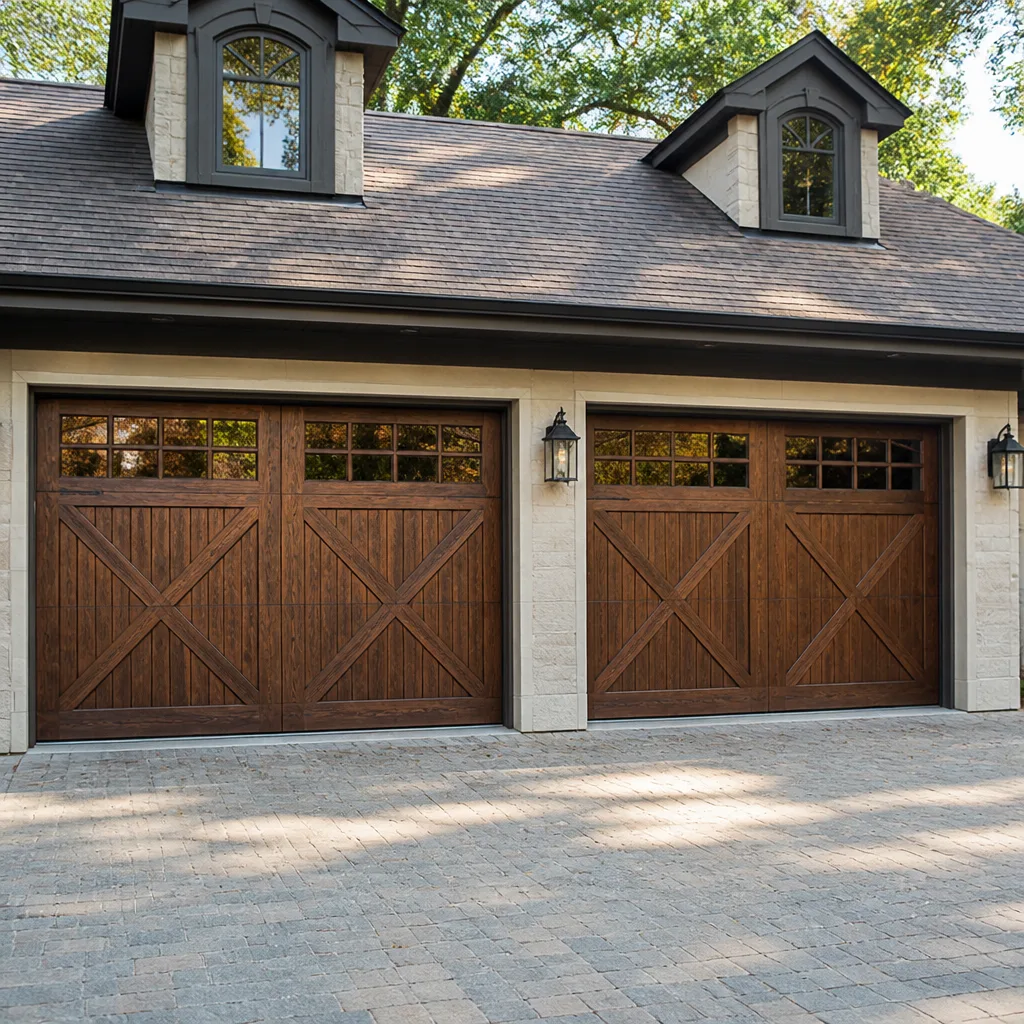 Carriage house
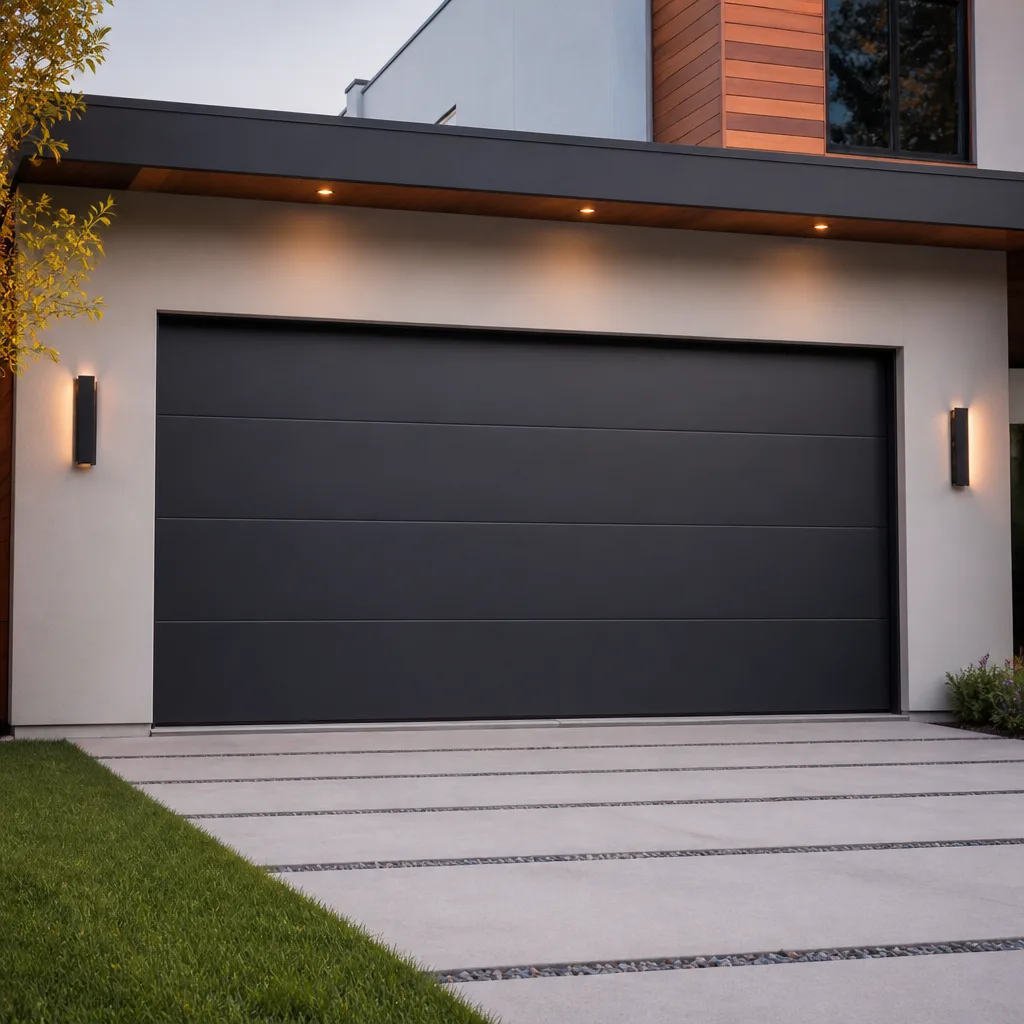 Modern flush
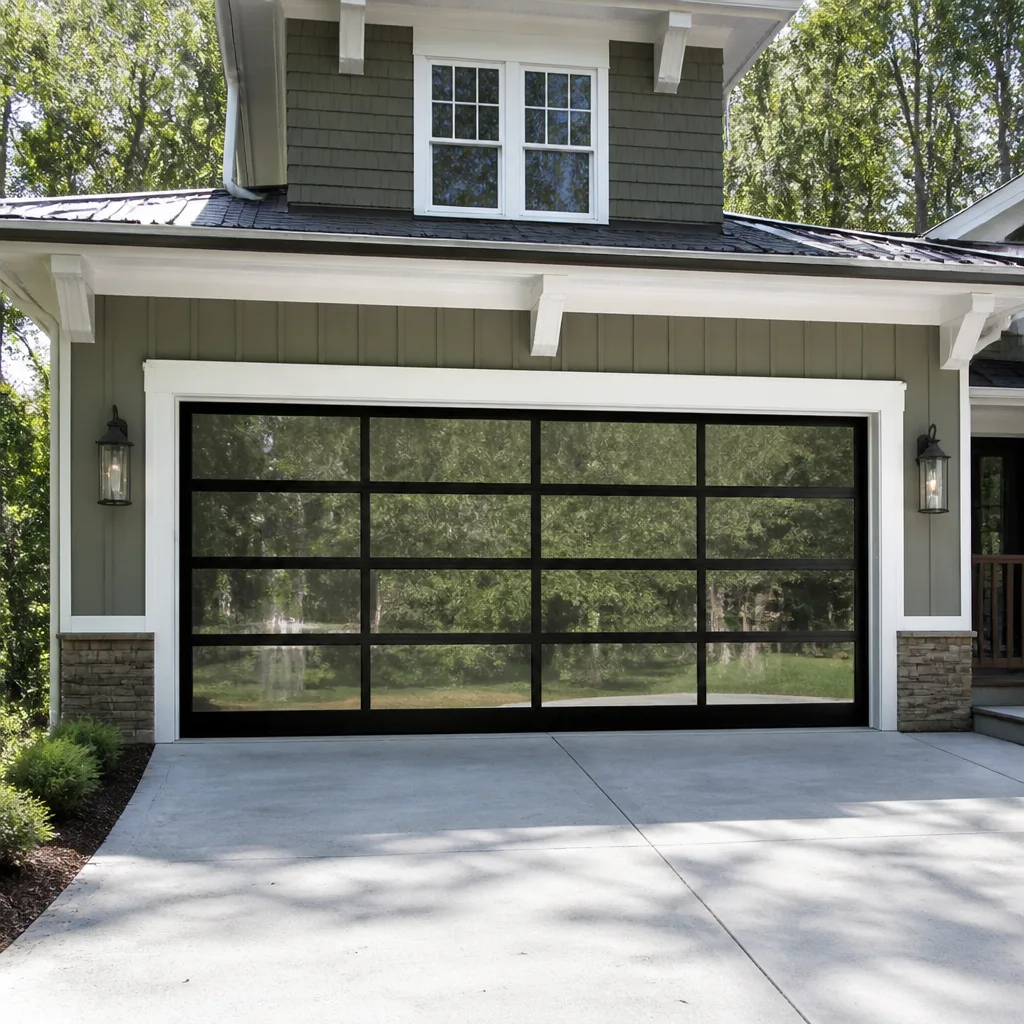 Full-view glass
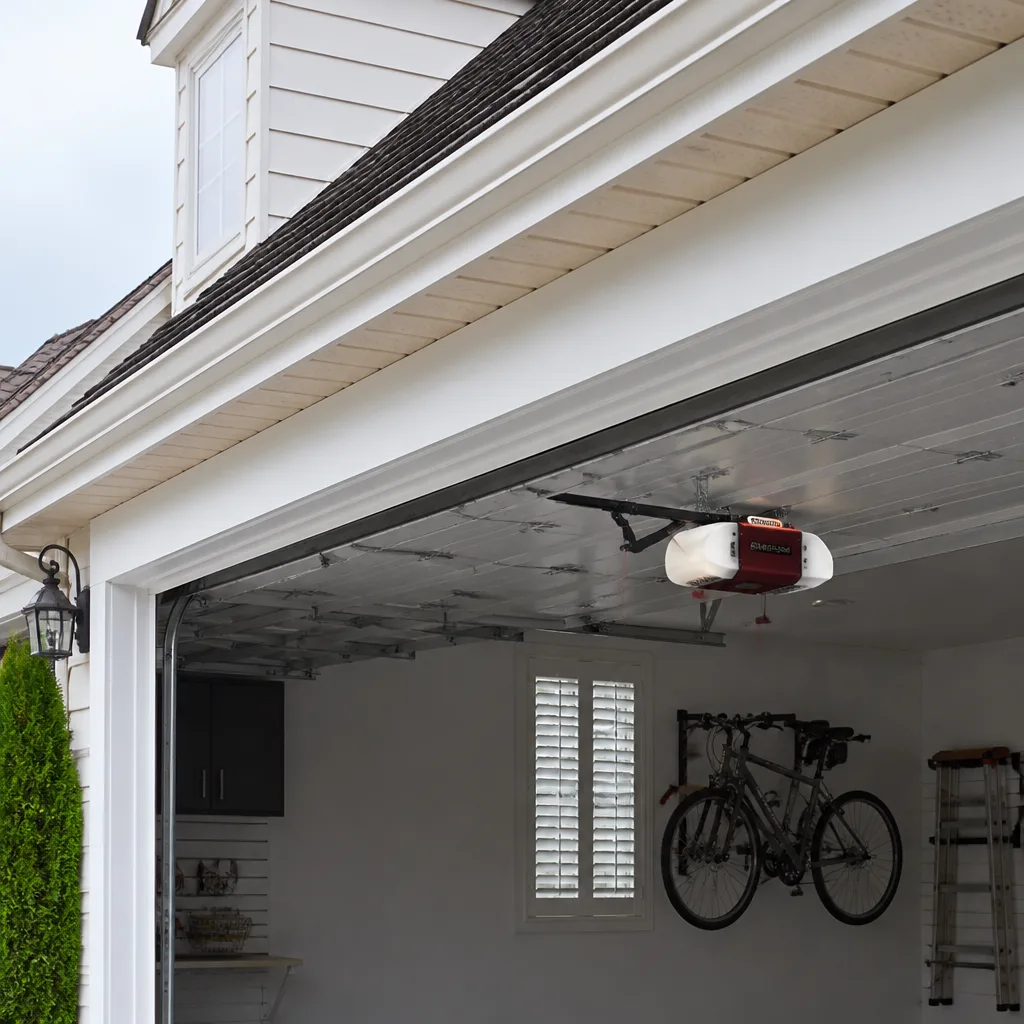 LiftMaster openers
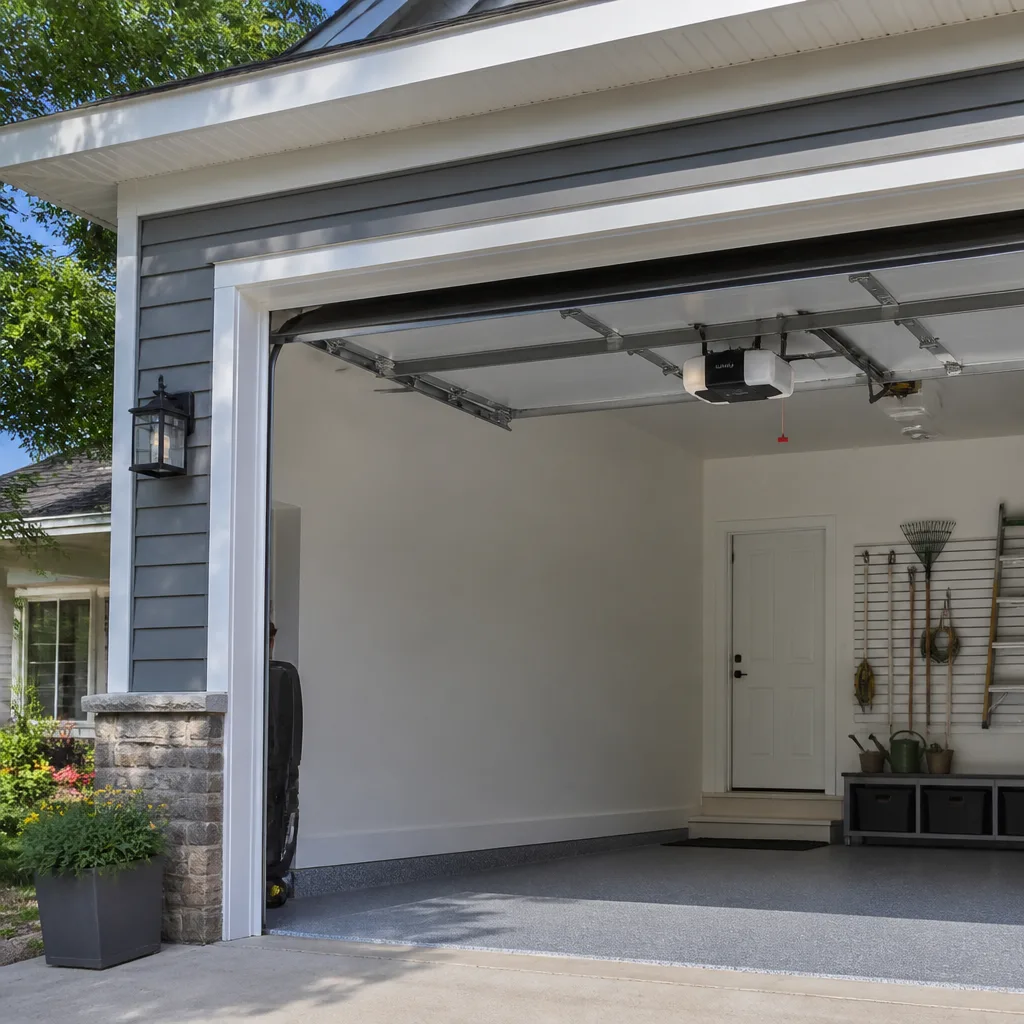 Chamberlain openers
Full 25-point door and opener safety check with every visit - springs, cables, rollers, tracks, and your LiftMaster or Chamberlain opener included
You get a price before we start. It does not change when the pro arrives.
Get your free estimateThe Complete Guide to Garage Doors in Parkchester
Most garage door advice you’ll find online was written for a suburban house with a deep driveway and an attached two-car bay. Parkchester isn’t that. The neighborhood’s mid-century housing stock, dense co-op blocks, and shared structural walls change almost every decision about a garage door, from what opener will physically fit to who’s allowed to authorize the repair. This guide covers the parts other guides skip: how Parkchester’s built environment shapes door choice, why a seven-foot ceiling rules out much of what’s sold online, and how to move a repair through a co-op board without losing a week. We work on these doors every week, and we’ve written this to be the reference we’d want a neighbor to read first.
Quick Answer
Garage doors in Parkchester usually need service for one of four reasons: worn or broken springs, a door that’s jumped its track, an opener that no longer responds, or a weather seal that’s failed at the bottom edge. The right first step depends on your building: in a co-op or multi-unit block, confirm who owns the door and who authorizes the work before anyone touches it. Headroom is the second variable. If your opening tops out around seven feet, measure before you buy a new opener or door, because several popular models won’t fit without modification.
Styles & brands we work with
- Raised-panel steel
- Carriage house
- Modern flush
- Full-view glass
- LiftMaster openers
- Chamberlain openers
Table of Contents
- Who Owns the Garage Door in a Parkchester Co-op?
- Headroom: Why Seven Feet Changes Everything
- Sectional and One-Piece Tilt-Up Doors: Different Doors, Different Failures
- Springs, Cables and Tracks: The Parts That Actually Break
- Choosing and Repairing an Opener in Parkchester
- Repairs in Shared Walls and Shared Ceilings
- Brand Availability and Lead Times: Local Supplier vs. Online
- A Maintenance Routine That Fits a Bronx Building
Who Owns the Garage Door in a Parkchester Co-op?
In most Parkchester co-op buildings, the answer depends on where the garage sits relative to your unit. A garage attached to a private house is almost always the homeowner’s responsibility from the door panel to the spring. A garage bay shared under a co-op block, or one that opens onto a common driveway, is usually common property, which means the co-op board authorizes the repair and the building’s managing agent handles the paperwork. The door itself might be yours to maintain while the frame, header and spring anchor points belong to the building.
Before you call anyone, check three things. You’ll find them in your proprietary lease or your unit’s alteration agreement, in the building’s house rules, and in the resolution or minutes from the last board meeting.
- Read your proprietary lease or house rules to see which components are listed as common vs. unit-owner responsibility. Garage doors and openers are usually addressed in a short paragraph somewhere in the alteration section.
- Ask the managing agent, in writing, whether a garage door repair requires prior approval. Many do, and some require an insurance certificate from the contractor before work begins.
- Confirm who signs off on the final invoice. If the co-op pays, you want the estimate addressed to the co-op or the managing agent so it clears their process the first time.
We’ve worked both sides of this equation in Parkchester. When a building is paying, we write the estimate with enough detail, panel spec, spring size, opener model, labor scope, that the managing agent can approve it without a follow-up call. That’s a small thing that saves a week in a co-op building.
Headroom: Why Seven Feet Changes Everything
Headroom is the vertical distance from the top of the door opening to the ceiling above. Parkchester’s mid-century garage construction often leaves seven feet of headroom or less, and that single number eliminates a large share of the residential openers sold online without modification. A standard sectional door also needs some overhead clearance for the door panel to sit flat against the ceiling when it’s up, and a proper torsion spring assembly takes space above the door regardless of opener. If your ceiling is low, the door choice and the opener choice have to be made together, not one after the other.
Here’s how we approach a low-headroom job:
- Measure the actual opening height (inside the frame, not outside), then the distance from the header to the ceiling, and the depth of the garage.
- Determine the correct door type. Low-headroom sectional doors use a smaller-radius track and tighter panel stack. A one-piece tilt-up door clears overhead almost entirely and may be the better fit if the opening is wider than it is tall.
- Match the opener to the door. A jackshaft (side-mount) opener mounts on the wall beside the torsion bar instead of hanging from the ceiling, which is often the only option when there’s no room for a rail.
- Confirm the mounting points. On a shared ceiling or a concrete deck, anchor points need to land on structural material, not on furring. This matters in Parkchester more than most places because the ceiling above a garage is frequently someone else’s floor.
Get these four steps wrong and you end up with an opener that fits on paper but won’t run the door, or a door that goes up and hits the ceiling when it should sit flat. If you’re planning a replacement, a proper on-site measure of the opening and the ceiling is what separates a workable spec from a return shipment. Our garage door installation work starts there.
Sectional and One-Piece Tilt-Up Doors: Different Doors, Different Failures
Walk any Parkchester block with garages and you’ll see both styles. Multi-panel sectional doors run on vertical tracks and then turn back along horizontal tracks at the ceiling. One-piece tilt-up doors swing out on a pivot at the frame and hang vertically when open. Each is common here for a reason: sectional doors fit under lower ceilings, and tilt-up doors need almost no overhead clearance at all, which is why they show up in older buildings where the ceiling is right on top of the header.
The failure patterns aren’t the same, and diagnosing one as if it were the other wastes time.
- Sectional doors fail most often at the springs, the bottom seal, the rollers and the hinges. Panels can separate at the hinge line when a roller binds, and a door that’s been running with a stiff roller for a while will begin to pull its hinges out of the stiles. A single damaged panel can usually be replaced without replacing the door.
- One-piece tilt-up doors fail at the pivot hardware, the J-arm that connects the door to the opener, and the top frame where the door bears against the wipe seal. Their weight is carried differently, so a worn pivot can drop a corner and jam the door against the frame. Tilt-up doors also require specific opener geometry: a standard sectional opener arm won’t behave the same on a door that swings out.
We work on both. The point isn’t which is better; it’s that the repair scope is different, and whoever quotes the job needs to know which door type is in front of them before pricing it. A tilt-up door quoted as a sectional door means a wrong estimate, a wrong part, and a second visit.
Springs, Cables and Tracks: The Parts That Actually Break
We’ll say the safety part first, because it’s the most important paragraph in this guide. Garage door springs, cables and torsion bars are under heavy tension and can cause serious injury if handled incorrectly. Spring repair is dangerous DIY territory. If your door has a broken spring, a snapped cable, or a drum that’s come loose, keep the door closed if you can and call a trained technician. Don’t try to lift a door with a broken spring, don’t cut or loosen a cable, and don’t unwind a torsion bar. The door’s weight is counterbalanced by that tension, and once it’s released there’s nothing to catch it.
With that stated, here’s how the parts tend to fail and what each symptom usually means.
- Broken spring: when a torsion spring snaps, it usually makes a loud noise and the door becomes very heavy to lift, sometimes only rising partway. A torsion spring runs on a bar across the top of the door; an extension spring runs along the horizontal tracks. Either way, the door is unsafe to operate until it’s replaced. A matched pair is normally replaced together, so a pair costs roughly twice the price of one spring.
- Snapped or off-drum cable: the door may lift at an angle, or one side may drop. This is a stop-calling situation because the remaining cable is carrying more load than it’s designed for.
- Off-track door: usually caused by a bent track, a failed roller, or a door that’s been hit. If the door is jammed off the track, don’t force the opener to keep trying: the safety reverse will start and stop, and it can burn out the opener motor.
- Worn rollers and hinges: the most common cause of a door that shudders going up. Cheap fix compared to the rest, and worth doing before a small problem damages a panel.
In Parkchester, we see spring failures more often on doors that haven’t been serviced in years and get operated many times a day, which is typical of a building where several residents share a garage bay. Our garage door repair service covers springs, cables, tracks and the panels that carry them.
Choosing and Repairing an Opener in Parkchester
An opener has one job: pull the door up and lower it safely. Its second job, on newer units, is to connect to your phone. Both matter in Parkchester, where a shared garage may need multiple residents to have access, and a private garage benefits from being able to check whether the door is closed. The critical variable is fit. Many of the most popular residential openers assume more headroom than a Parkchester garage provides, and some units sold online require a rail, a ceiling mount, and clearance that simply doesn’t exist in a seven-foot-ceiling garage.
When you’re deciding whether to repair or replace an opener, start with the symptom:
- Door won’t move, opener hums: usually a gear or capacitor issue inside the unit, or a door that’s too heavy to lift (often a broken spring, which is a door problem, not an opener problem).
- Opener runs, door doesn’t: usually the J-arm or the disconnect trolley. The opener is fine; the connection between it and the door isn’t.
- Door reverses before it reaches the floor, or closes on contact: the safety sensors or the limit settings. This is a genuine safety issue and shouldn’t be ignored.
- Wall button works, remote doesn’t: usually the remote, the receiver, or the lock button. Cheap to diagnose and usually cheap to fix.
For replacement, we’re factory-familiar with LiftMaster and Chamberlain, the two brands most homeowners ask for when they want smart-home compatibility. LiftMaster’s myQ platform and Chamberlain’s connected openers both allow app control, alerts when the door opens, and scheduling. The catch is that the connected features are only useful if the unit is properly installed and the door’s mechanics are in order. A smart opener on a door with a worn spring is a frustrated phone app. Our garage door opener repair team handles both diagnosis and replacement, including Wi-Fi-enabled units.
Repairs in Shared Walls and Shared Ceilings
This is the section no other guide has, and in Parkchester it’s often the whole job. When your garage shares a wall or a ceiling with a neighbor’s unit, a repair on your side can affect the structure on theirs. Drilling into a shared ceiling to mount an opener is not the same as drilling into your own joists. Running a track or anchor through the wall between bays can compromise fire separation that the building was designed with, and if you’re in a co-op, that separation usually matters to the board.
Practical steps for a shared-wall or shared-ceiling repair:
- Identify what the wall or ceiling is. A concrete deck, a masonry party wall, and a wood-framed partition all take different anchors. Guessing here is how a track ends up loose after a season.
- Get the managing agent involved early if the mounting point is on common property. A written approval is faster than a rework.
- Coordinate with the neighbor if the repair will produce noise or require access through their bay. A message through the managing agent or the building’s super avoids an awkward conversation later.
- Make sure the estimate names the mounting surface, not just the hardware. That way, if something needs to change on site, the price change is agreed before the drill goes in.
We quote these jobs by scope and we confirm the mounting conditions before quoting, so the price you agree to is the price the work is done at. If a shared-wall job turns out to need a change mid-repair, that change is discussed and agreed with you before we make it.
Brand Availability and Lead Times: Local Supplier vs. Online
Parkchester sits in the Bronx with the rest of New York City’s supply network around it, and that’s an advantage. Door panels, springs, rollers, hinges and openers can usually be sourced locally, which means a repair doesn’t sit waiting on a shipment. Ordering online can work for standard sizes and standard parts, but the savings disappear when the part doesn’t fit or arrives damaged and you’re paying a technician for a second visit.
Brands we work with most often for door and opener parts include Clopay, Amarr, Wayne Dalton and Craftsman, alongside LiftMaster and Chamberlain for openers. A few practical differences:
- Standard-size panels: usually available locally and quickly. Sectional doors in common Parkchester widths are the easy case.
- Custom-width or non-standard-height doors: ordering usually means a lead time measured in weeks, not days. Measure the opening before ordering, not after.
- Opener units: the popular LiftMaster and Chamberlain models are widely stocked, but the low-headroom and side-mount variants are less so. This is where online ordering fails most often, because the shopper can’t see the fit issue until the box is open.
- Colour and finish matching: if you’re replacing one panel on a sectional door, a mismatched batch will be visible. Matching a panel to the rest of the door is easier with a local supplier who can compare.
We keep the measure-and-spec step ahead of the order so the part matches the opening and the opener matches the door. If you’re planning a replacement, a free measure and a written estimate come first.
A Maintenance Routine That Fits a Bronx Building
A garage door doesn’t need much attention, but what it needs is regular. In a building where the door is opened many times a day, small wear becomes big wear faster than in a house where the car comes and goes twice. This routine takes about fifteen minutes and is safe to do yourself because none of it touches the springs or cables.
- Look at the door from a few feet back. Does it hang level? Is one corner lower than the other? An uneven door usually means a cable, a spring or a track issue, and those are stop and call a technician items.
- Check the bottom seal. A cracked rubber seal lets in water and debris and can make the door harder to close. It’s a cheap replacement and worth doing at the first sign of a split.
- Clean and lubricate the moving parts you’re allowed to touch. Rollers, hinges and the pivot points on a tilt-up door get a light application of a garage-door lubricant. Avoid spraying the tracks, which should be clean and dry.
- Test the safety reverse. Put a piece of wood or a rolled-up cloth in the door’s path and close the door. It should reverse on contact. Do the same test with the sensors by passing an object through the beam.
- Listen for the door. A door that clunks, scrapes or shudders is telling you something is loose. Getting to it early is cheaper than getting to it after a panel has bent.
For a shared or multi-resident garage, agree with the building on who does this test and how often. It’s a small thing, but it stops one resident’s door problem from becoming everyone’s maintenance call. If the door gets noisy, jerky or starts reversing on its own, that’s a call: fast dispatch from 7am to 7pm, Sunday through Friday.
Common Mistakes to Avoid
- Buying an opener before measuring headroom. The most common Parkchester mistake. Ordering a standard lift opener for a seven-foot-ceiling garage often ends in a return, a restocking fee, or a second unit. Measure the opening and the ceiling-to-header distance first.
- Trying to lift a door with a broken spring. The door can weigh far more than the spring is designed to counterbalance, and if it drops, it drops. Call a technician instead.
- Assuming the co-op is responsible without checking the lease. Some Parkchester buildings will pay for a garage door repair and some will not. Read the house rules before the technician arrives, so you know who’s authorizing the invoice.
- Quoting a tilt-up door as a sectional door. They fail differently and the parts aren’t interchangeable. If the quote doesn’t ask you which door type you have, ask them.
- Drilling into a shared ceiling without checking the structure. Mounting points that land on furring rather than a structural deck come loose, and in a co-op the wall or ceiling between bays may be common property.
- Replacing one spring and keeping the other. Matched springs are normally replaced together, and pairing a new spring with a tired one can throw the door off balance.
- Skipping the bottom seal because it “still looks fine.” A split seal lets in water and grit, and grit wears out rollers faster than anything else.
See the difference
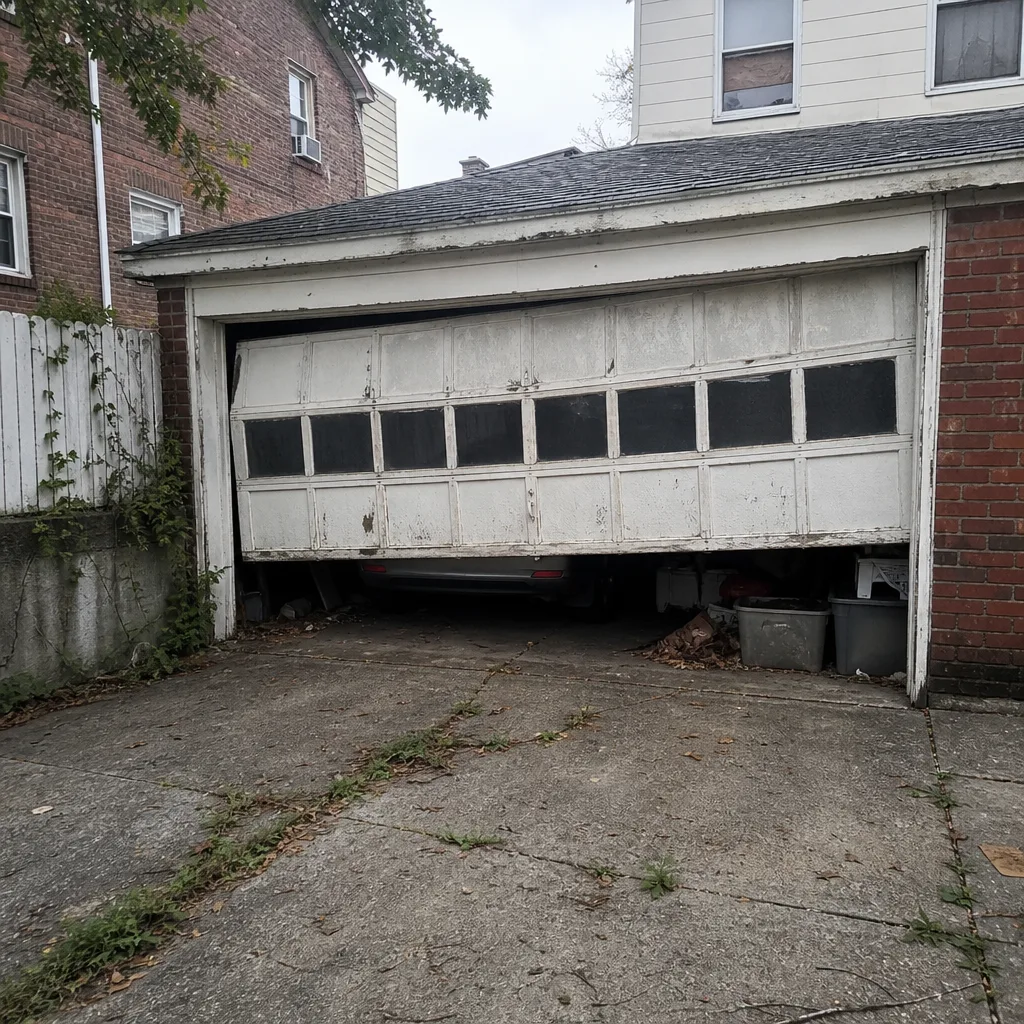 Before
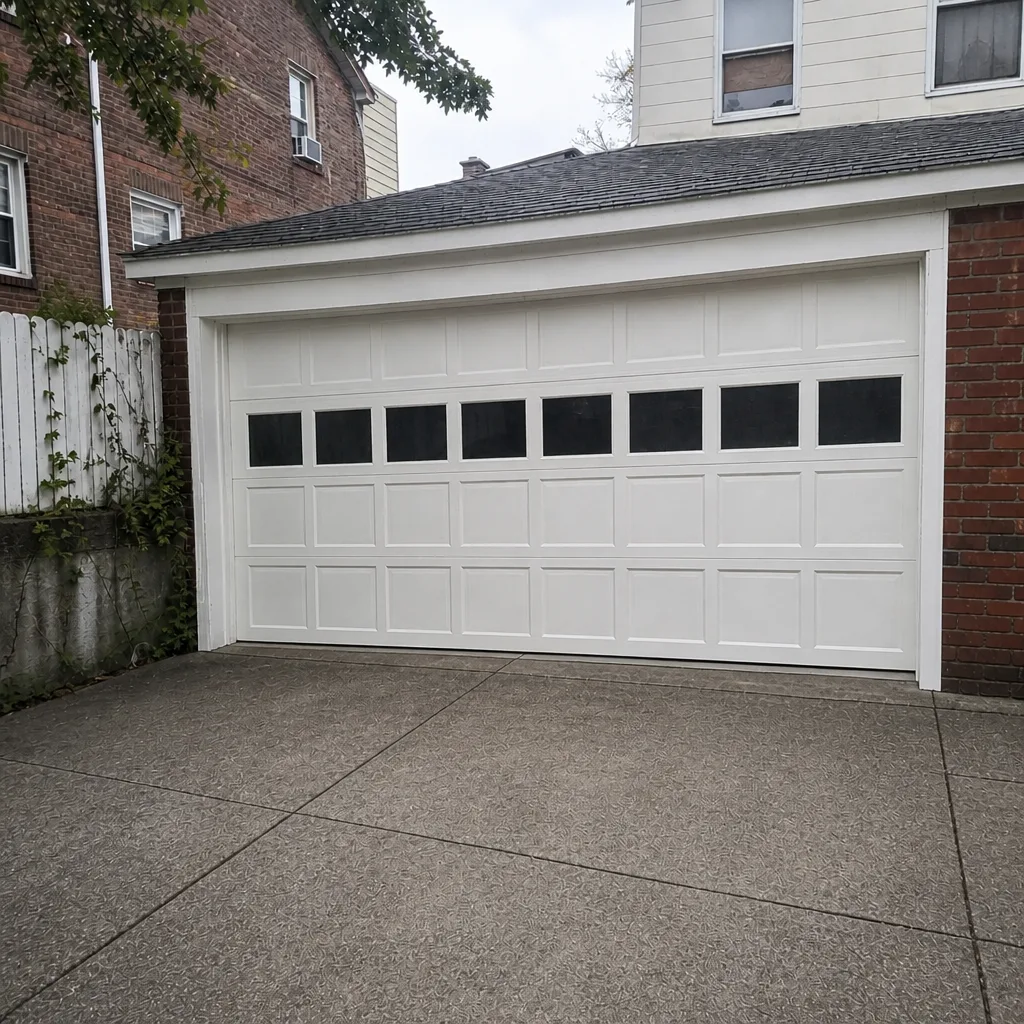 After
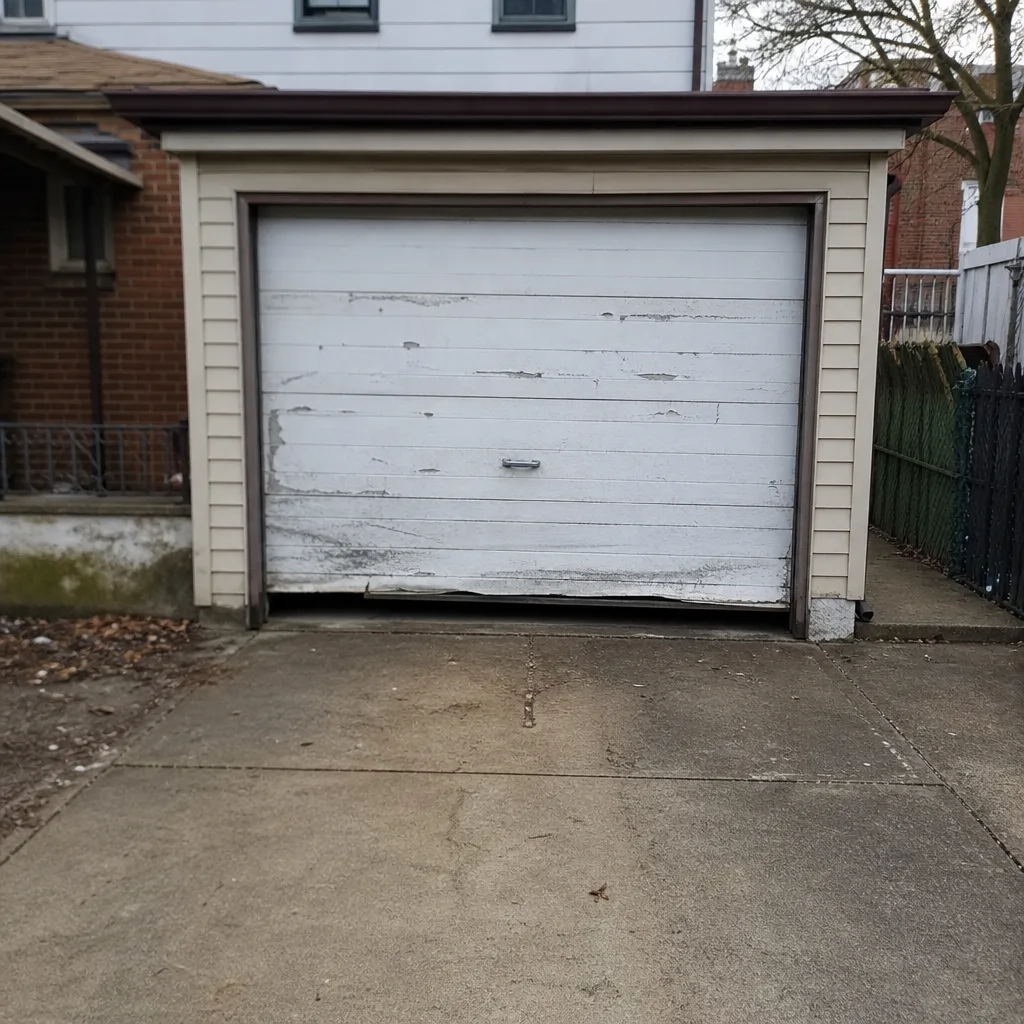 Before
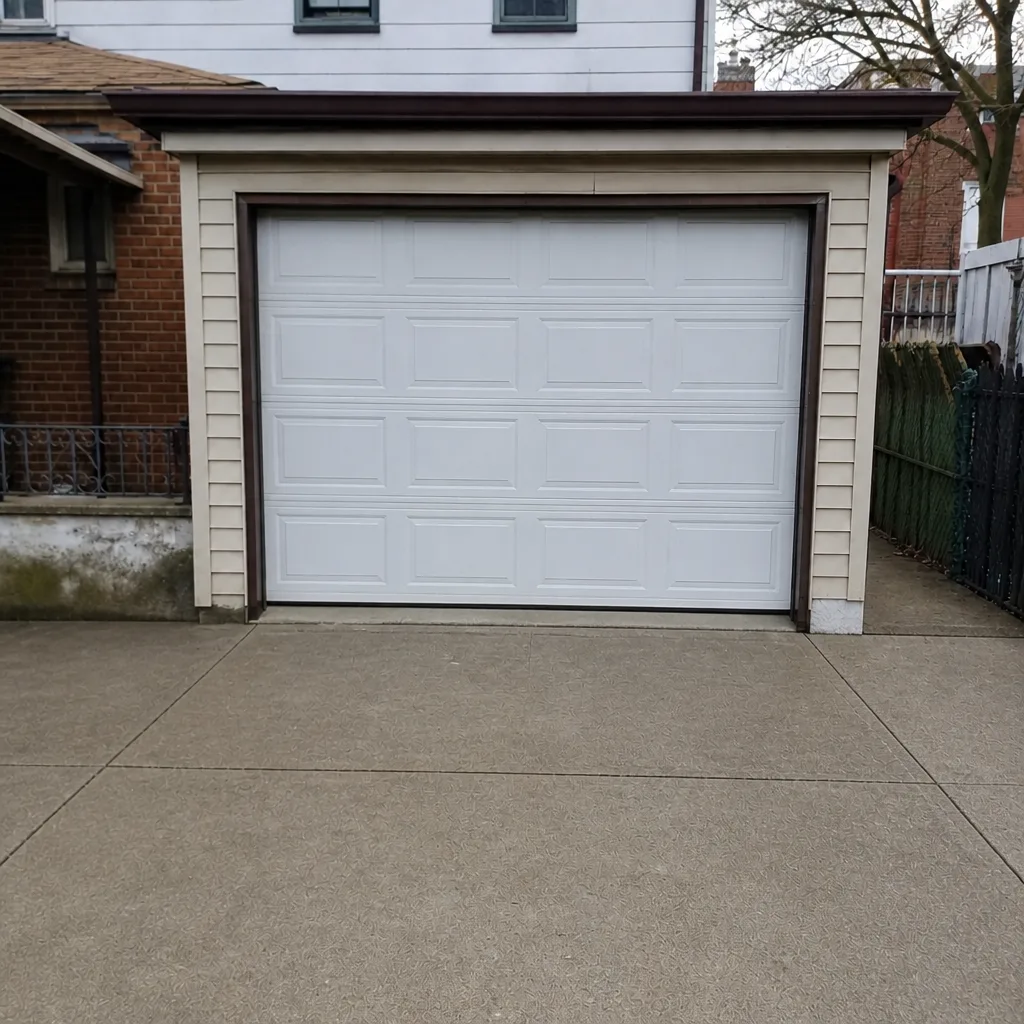 After
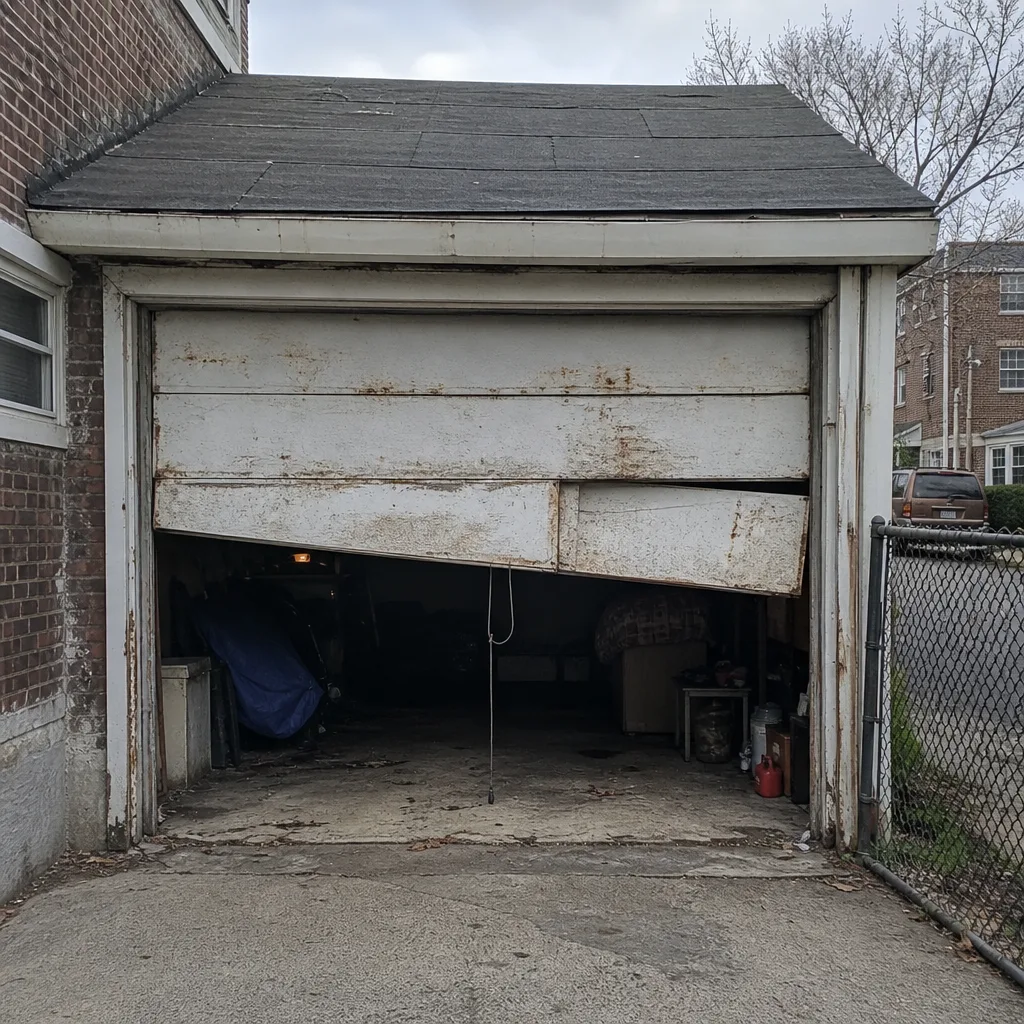 Before
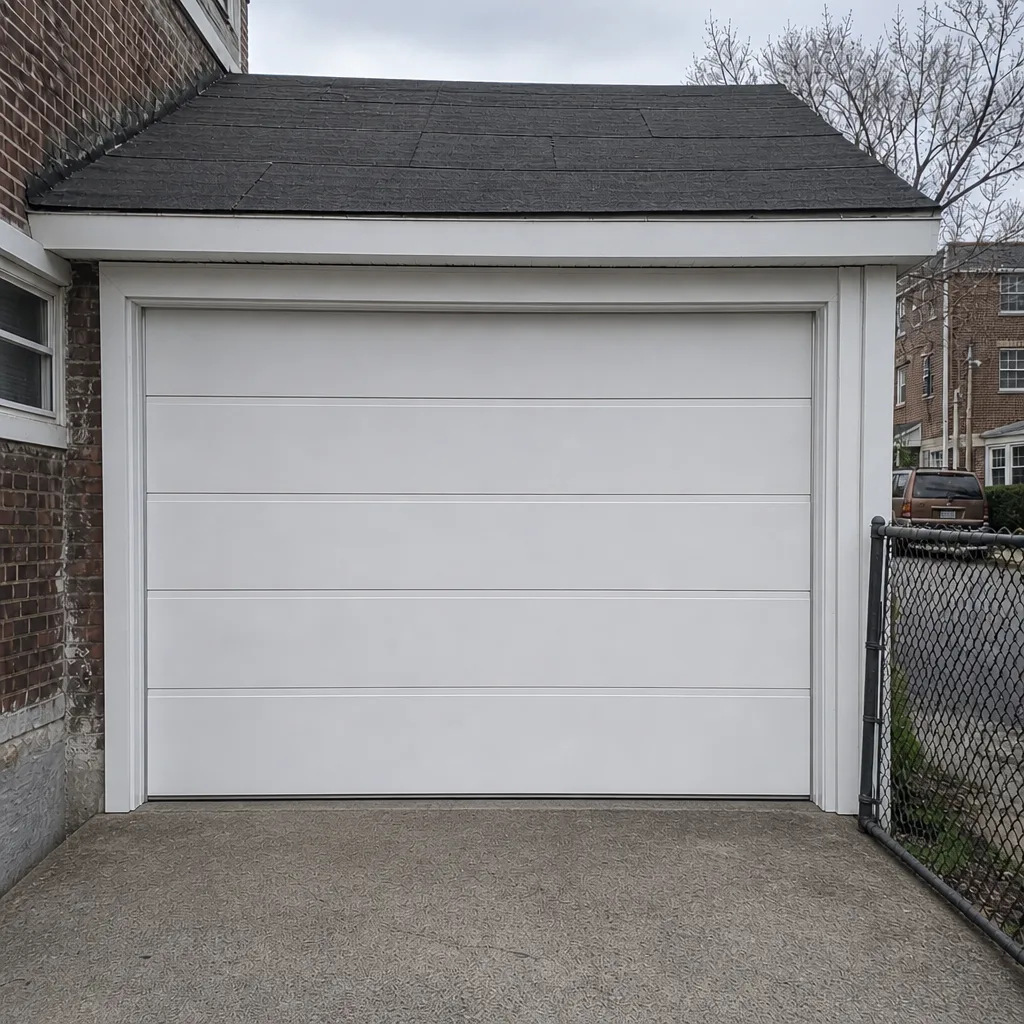 After
When to Call a Professional
Call us when the door won’t open at all, when a spring has snapped, when a cable is loose or hanging, when the door has come off its track, when the opener runs and the door doesn’t move, or when the safety reverse fails to work. Those are the situations where a technician’s training matters, and spring and cable work in particular should never be handled by anyone without the right tools and training. Same-day service is often possible, and fast dispatch from 7am to 7pm, Sunday through Friday, covers most emergency calls. Garage Door Repair Parkchester offers free estimates in Parkchester. Call (866) 966-1056. We answer 24/7. Our technicians have up to 15 years of experience across the major brands.
Frequently Asked Questions
A single torsion spring repair in Parkchester typically runs $180 to $340 for the spring and the labor. A matched pair, which is the normal replacement, usually costs around twice that. The written estimate sets the final price, and it’s agreed before any work starts. Call (866) 966-1056 for an exact quote; estimates are free.
It depends on the building. In some co-ops the door and opener are the unit owner’s responsibility, and in others they’re common property handled by the managing agent through the board. Check your proprietary lease or house rules first, then confirm with the managing agent in writing whether prior approval is required.
Yes, but the opener has to match the door and the ceiling clearance. A standard ceiling-mount opener often won’t fit, and a side-mount (jackshaft) opener, or a low-headroom sectional door with a smaller track radius, may be the only option. Measure the opening and header-to-ceiling distance before ordering, or ask us for a free measure and a written estimate.
A sectional door runs in sections on a track that turns back along the ceiling. A one-piece tilt-up door swings out on a pivot and needs almost no overhead clearance. Both are common in Parkchester’s older buildings. They fail differently, so a technician needs to identify the door type before quoting the repair.
Yes. We work on LiftMaster, Chamberlain, Genie, Clopay, Amarr, Wayne Dalton, Craftsman and Raynor, including Wi-Fi-enabled openers from LiftMaster and Chamberlain. If the brand isn’t on that list, call and we’ll tell you whether we can help.
We answer 24/7. A call outside dispatch hours is booked into the next opening, Sunday through Friday, 7am to 7pm. Broken springs, off-track doors and opener failures that can’t wait are our core emergency calls, and same-day service is often possible.
The written estimate sets the price. In most cases the agreed quote is what you’ll pay. If a repair reveals something that wasn’t visible during the estimate, such as a damaged panel under a worn hinge, the change is discussed and agreed with you before any work continues.
The technicians we connect you with are vetted, and the local professional is licensed and insured as their state requires. If you have a co-op board that needs an insurance certificate before work starts, tell us when you book and we’ll sort that out before the appointment.
The Bottom Line
Parkchester’s garage doors are shaped by the buildings they’re in: mid-century headroom, shared walls, co-op ownership structures, and a mix of sectional and tilt-up doors that each break in their own way. The decisions that matter most are measuring the opening and the ceiling before buying anything, confirming who authorizes the repair in a co-op, and calling a technician rather than reaching for a tool when a spring or cable fails. Repair, installation, opener service and emergencies are one call. If you’re in Parkchester and your door needs attention, call (866) 966-1056. We answer 24/7. Fast dispatch from 7am to 7pm, Sunday through Friday. Estimates are free, and the written price is the price.
For a full look at what we handle, start with Garage Door Repair Parkchester. If you’re in a nearby building, our garage door repair team covers the same ground, and we can quote both a repair and a full replacement so you can compare.
Written by the team at Garage Door Repair Parkchester.